Overview
Amnesia and dementia are the conditions that are confused by many people since both conditions influence memory. Nonetheless, the two disorders vary greatly in the causes, symptomatology, course, and psychological effects. Knowing the difference between amnesia and dementia can assist the family to find optimal care and prevent unwarranted anxiety.
Although amnesia only affects the memory, dementia impacts on memory, reasoning, personality and everyday functioning. Thus, proper differentiation is critical to diagnosis and care planning.
What Is Amnesia?
Amnesia is the major loss of memory, which results because of brain trauma, injury, emotional shock, or neurological damage. Notably, the amnesia issue concerns primarily memory, as opposed to the general intelligence or logical thinking skills.
People with amnesia may:
- Forget past events
- Difficulty in developing new memories.
- Personal history experience gaps.
- Maintain a normal thought process and character.
Amnesia, in the vast majority of cases, does not deteriorate, unless there is an underlying disorder that persists in destroying the brain.
What Is Dementia?
Dementia refers to the deterioration of cognitive functioning due to the illness of the brain. Dementia is different to amnesia in that, it impairs more than memory as a mental ability.
The typical symptoms of dementia are:
- Memory loss
- Poor judgment
- Confusion
- Personality changes
- Language difficulty
- Impaired daily functioning
The Alzheimer disease is the most prevalent cause of dementia, but other diseases may also lead to it.
Market Dissimilarity Amnesia vs Dementia.
The inherent distinction is the scope and progression.
- Amnesia = memory loss only
- Dementia = impaired thinking all over the world.
Moreover, amnesia can be either stable or even improved, but dementia is expected to worsen with time.
Causes of Amnesia
Amnesia comes as a result of certain events or injuries.
- Common causes include:
- Head trauma
- Stroke
- Brain infection
- Psychological trauma
- Substance misuse
- Oxygen deprivation
Dissociative amnesia may be brought on by psychological trauma when the brain prevents disturbing memories as a way of protection.
Causes of Dementia
Dementia is the outcome of neurodegenerative or vascular diseases.
- Major causes include:
- Alzheimer’s disease
- Vascular dementia
- Lewy body dementia
- Frontotemporal dementia
Such states slowly degenerate brain cells and this increases deterioration in cognitive functions.
Types of Amnesia
Amnesia manifests itself in various ways.
Retrograde Amnesia
The individual becomes blind to memories that were created prior to a trauma.
Anterograde Amnesia
The individual is unable to forge new memories following the incidence.
Dissociative Amnesia
The effect of psychological trauma includes blocking of memories without the destruction of the brain.
All types have different impacts on memory and in most cases, they do not influence personality or reasoning.
Symptoms Comparison: Amnesia vs Dementia
Although both involve memory problems, symptoms differ significantly.
| Feature | Amnesia | Dementia |
|---|---|---|
| Memory Loss | Yes | Yes |
| Reasoning Ability | Usually intact | Declines over time |
| Personality Change | Rare | Common |
| Progression | Often stable | Progressive |
| Daily Independence | Often preserved | Gradually lost |
This comparison clarifies why dementia appears more disabling than amnesia.
Brain Changes in Amnesia vs Dementia
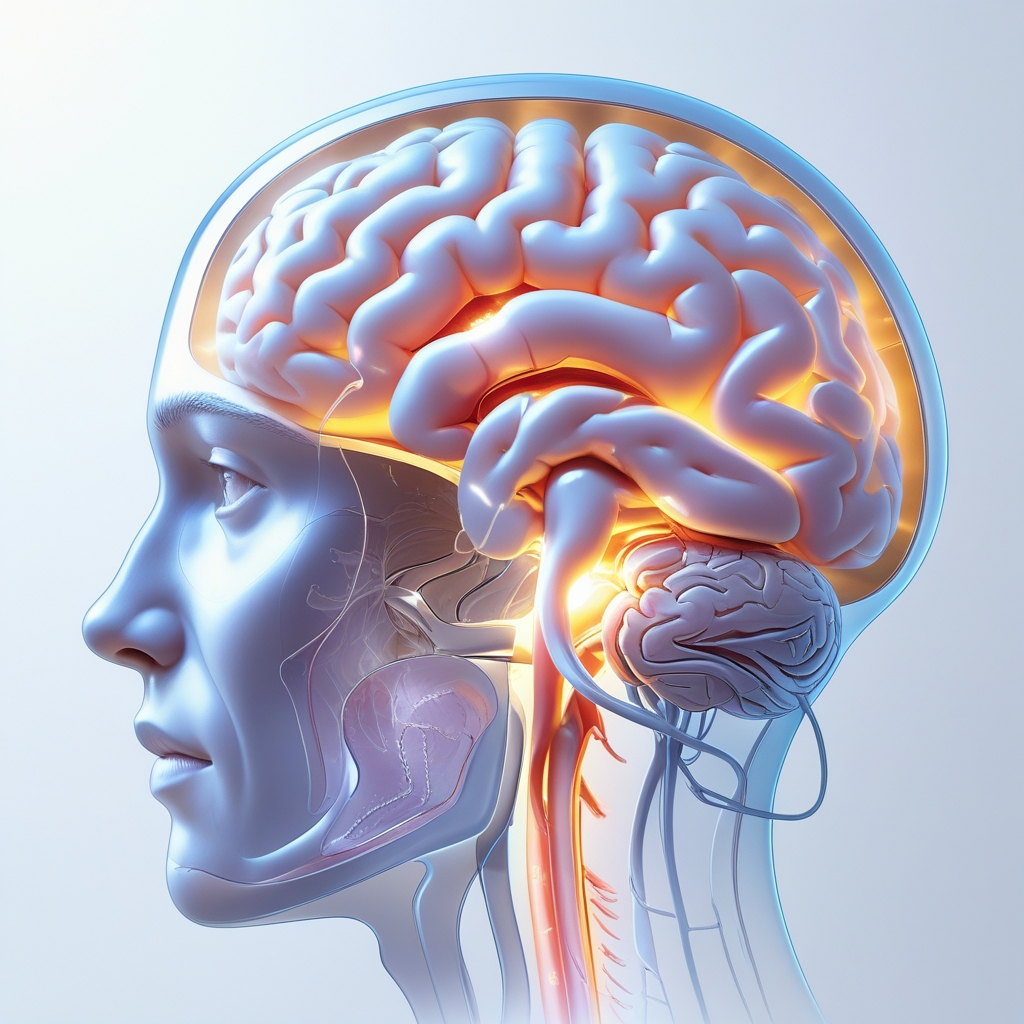
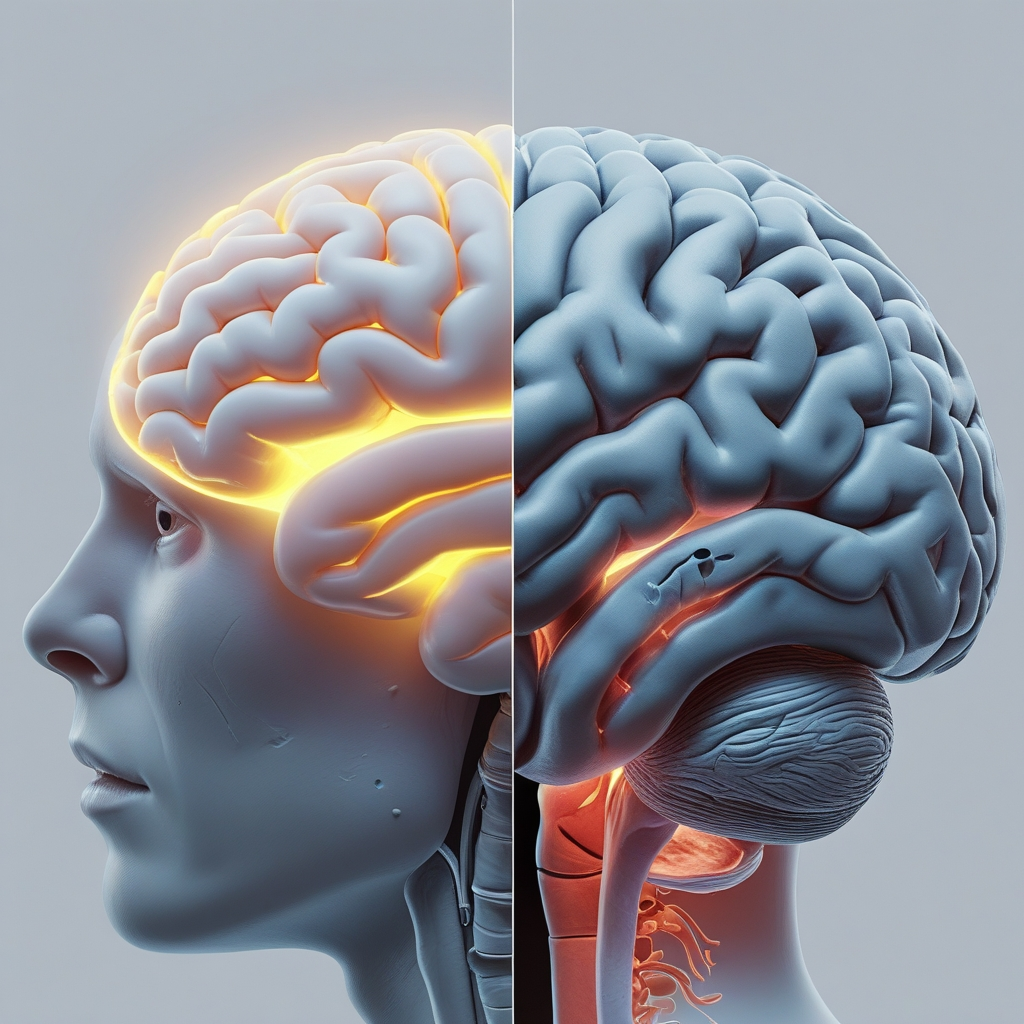
Amnesia typically affects the hippocampus, which controls memory formation. Damage may occur suddenly due to injury or trauma.
Dementia, however, causes widespread brain shrinkage. It affects multiple regions responsible for memory, behavior, language, and judgment.
Therefore, dementia presents as a systemic brain disorder rather than isolated memory loss.

Psychological Impact
Emotional Effects of Amnesia
People with amnesia may experience:
- Confusion
- Frustration
- Anxiety about memory gaps
However, they usually maintain insight and emotional stability.
Emotional Effects of Dementia
Dementia significantly alters emotional regulation.
Early stages may include:
- Anxiety
- Depression
- Fear of losing independence
Later stages may include:
- Paranoia
- Irritability
- Personality shifts
Brain degeneration causes these behavioral changes.
Can Amnesia Turn Into Dementia?
Amnesia does not automatically progress into dementia. However, some brain injuries that cause amnesia may increase long-term dementia risk.
Medical evaluation determines whether progressive degeneration exists.
Diagnosis Process
Healthcare professionals diagnose amnesia and dementia differently.
Amnesia Diagnosis
Doctors review injury history, conduct memory tests, and use brain imaging.
Dementia Diagnosis
Doctors perform cognitive screening, neurological exams, imaging studies, and functional assessments.
Psychologists evaluate reasoning, executive functioning, and behavioral changes to confirm dementia.
Treatment Difference
Treatment strategies differ significantly.
Treating Amnesia

- Address underlying cause
- Cognitive rehabilitation therapy
- Psychological counseling
- Memory training exercises
Some forms of amnesia improve over time.
Treating Dementia
- Medication to slow progression
- Cognitive stimulation therapy
- Behavioral therapy
- Structured caregiving support
Dementia management focuses on quality of life rather than cure.

Dementia vs Amnesia in Older Adults
Older adults frequently experience mild forgetfulness. However:
- Sudden memory loss suggests amnesia.
- Gradual decline with personality change suggests dementia.
Early detection improves planning and care.
FAQs
1. What is the main difference between amnesia vs dementia?
Amnesia affects memory only, while dementia affects memory, reasoning, personality, and daily functioning.
2. Is amnesia permanent?
Some types improve over time, especially when caused by temporary injury or psychological trauma.
3. Does dementia always worsen?
Most types of dementia progressively worsen over time.
4. Can stress cause amnesia?
Severe psychological trauma can cause dissociative amnesia.
5. Which condition is more serious?
Dementia generally causes broader impairment because it affects multiple cognitive functions.