Introduction
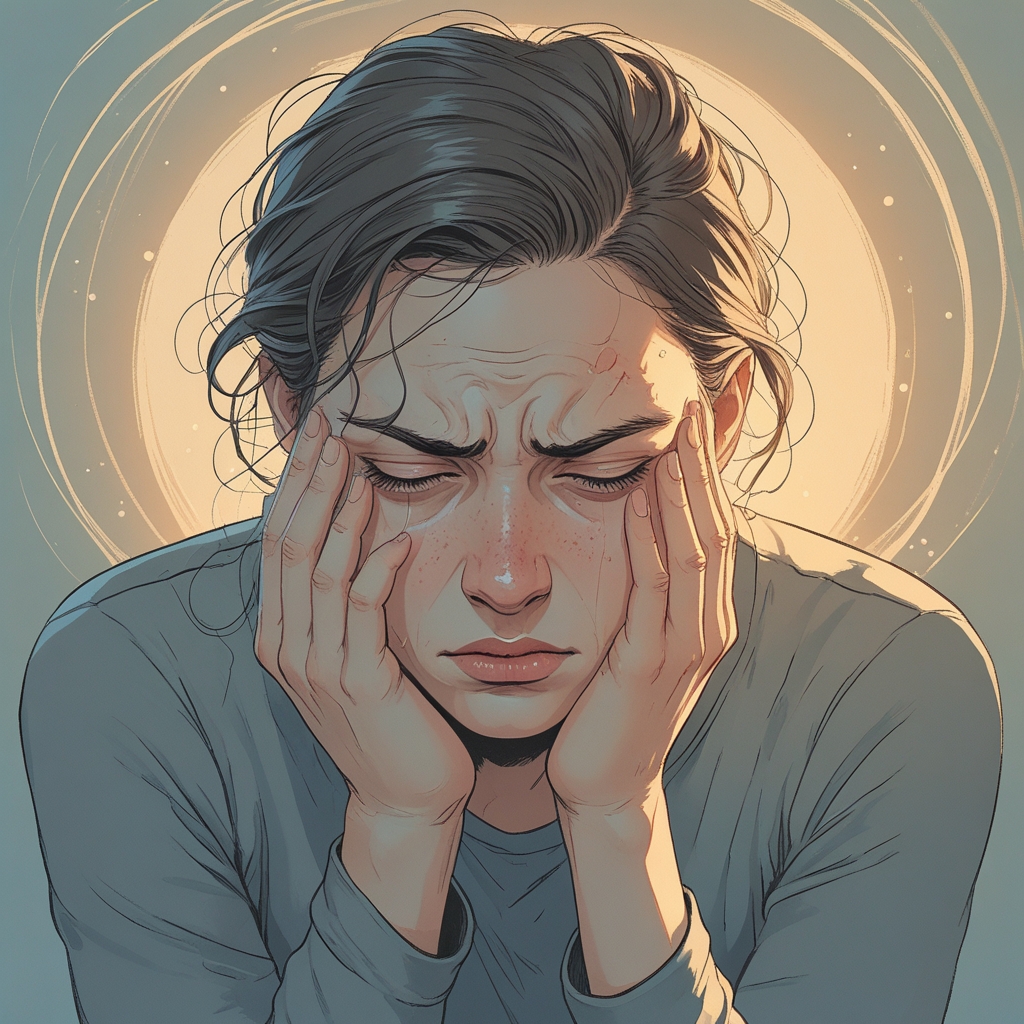
A common complain by many anxious people is that they feel lightheaded, unsteady, or dizzy. This feeling usually builds up fear of severe medical issues thus making anxiety even more. Thus, the major question is often raised: is it possible to feel dizzy due to anxiety? Psychologically and neurophysiologically the answer is yes.
Directly, anxiety may lead to dizziness due to breathing changes, muscle constriction, blood circulation and nervous system turmoil. This article gives straightforward psychological explanations to anxiety based dizziness. Further, it questions the causes of dizziness being so real, the reasons why it is caused by anxiety, and the evidence-based psychological strategies to be used to minimize it.
Getting down to the Anxiety-Body Connection.
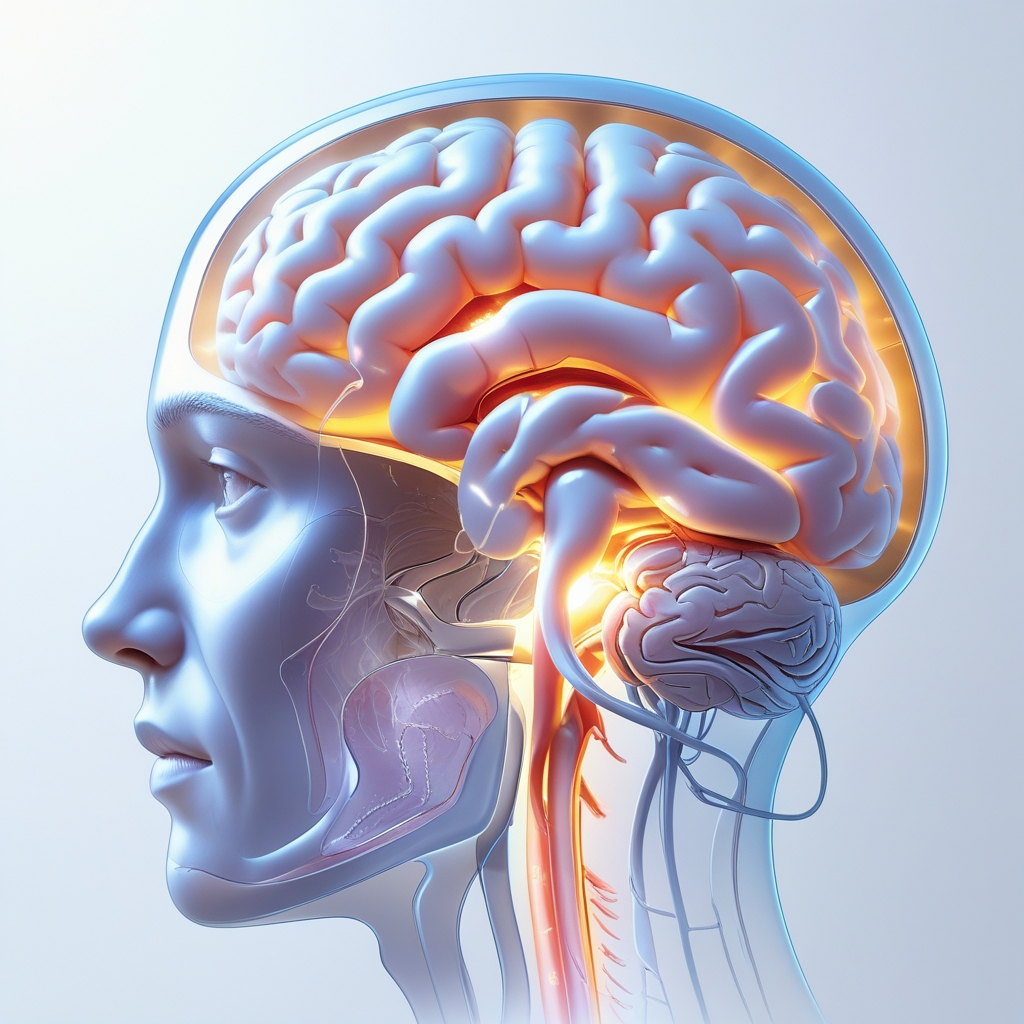
Anxiety does not just exist in the mind. Rather, it stimulates the autonomic nervous system that regulates the heart rate, breathing, and the circulation in the blood vessels. Physical sensation is a natural result of the fight-or-flight response the body gives when it is under serious stress.

Feeling dizzy arises due to anxiety that conditions the normal physiological balance. Thus, to feel dizzy is not a symptom of imagination or weakness, it is a real mind-body response.
Can Anxiety Cause Dizziness?
Yes, anxiety may be a cause of dizziness indirectly and directly. When in a state of anxiety, the brain provides survival over comfort and balance. Consequently, the usual sensations of the body appear to be exaggerated and inappropriate.
Dizziness caused by anxiety oftentimes feels;
- Lightheadedness
- Feeling faint
- Sensation of floating or being in the air.
- Head pressure/or disorientation.
Notably, this dizziness is typically seen without structural brain or inner-ear damage.
The Psychological Processes of Anxiety-Related Dizziness.
There are a number of psychological and physiological processes that give an explanation of why anxiety leads to dizziness.
Hyperventilation and Respiratory alterations.
Breathing patterns are usually disturbed by anxiety. Individuals inhale at a quicker and shallower rate. Such a transformation decreases the amount of carbon dioxide in the blood.

As a result:
- Blood vessels constrict
- The provision of oxygen is less efficient.
- Lightheadedness develops
This process justifies the fact that dizziness is frequently improved when breathing becomes slower.
Increased Nervous System Arousal.
Fear elevates the activity of the sympathetic nervous system. This stimulation equips the body to act, but interferes with the perception of balance.
Consequently:
- Muscles tense
- There is hypersensitivity in sensory processing.
- Spatial orientation is dangerous.
- Detection of threats is more important in the brain than balance accuracy.
- Tension in the muscles and the tightness of the neck.
The result of anxiety is chronic muscle tension particularly in neck and shoulders. The muscles of the neck are tight, which disrupts proprioceptive signals responsible of maintaining balance.
Thus, dizziness can be worse when one is under long-lasting stress or sitting poorly.
Cognitive Hypervigilance
Psychologically, anxiety raises the body monitoring. Human beings always scan and attribute sensations as suspicious.
This hypervigilance:
- Enhances their sensations.
- Disfigures sense of balance.
- Reinforces fear
When the level of attention is heightened, the dizziness is made to be more intense regardless of the fact that the physical changes may be mild.
Types of Anxiety-Related Dizziness
Anxiety-related dizziness does not feel the same for everyone. Different psychological patterns produce different sensations.
| Type of Dizziness | Psychological Cause |
| Lightheadedness | Hyperventilation |
| Floating sensation | Derealization |
| Unsteadiness | Muscle tension |
| Head pressure | Stress-related arousal |
| Visual instability | Panic response |
Understanding the type helps reduce fear and misinterpretation.
Anxiety Disorders Commonly Linked to Dizziness
Several anxiety disorders frequently include dizziness as a symptom.
Panic Disorder
Panic attacks often cause intense dizziness due to rapid breathing and adrenaline surges.
Generalized Anxiety Disorder (GAD)
Chronic worry maintains constant nervous system arousal, which leads to persistent lightheadedness.
Health Anxiety
Fear of illness increases body monitoring, which magnifies dizziness perception.
Social Anxiety
Anticipatory anxiety increases physiological arousal, especially in public situations.
Anxiety Dizziness vs Medical Dizziness
Many people fear that dizziness signals serious illness. However, anxiety-related dizziness differs from medical causes.
| Feature | Anxiety-Related Dizziness | Medical Dizziness |
| Trigger | Stress or fear | Physical pathology |
| Duration | Fluctuating | Progressive or constant |
| Tests | Usually normal | Often abnormal |
| Relief | Improves with calm | Persists despite calm |
Doctors often rule out medical causes before diagnosing anxiety-related dizziness.
Why Anxiety Dizziness Feels So Intense
Perception of threats is enhanced by anxiety. Dizziness is interpreted by the brain as a threat to it which escalates fear. Dizziness is then aggravated by fear. This is a positive feedback mechanism that exacerbates the symptoms.
This is how it explains why dizziness cannot be immediately inhibited by reassurance. Rather, the nervous system has to be re-trained.
The Anxiety–Dizziness Cycle
The process of dizziness caused by anxiety is predictable in its psychological scenario:

- Anxiety increases
- Physical sensations appear
- Phobia of dizziness becomes worse.
- The emphasis is laid on symptoms.
- Dizziness worsens
To stop this cycle, it is necessary to get out of the anxiety instead of seeking physical explanations.
Psychologists diagnose anxiety-related dizziness in the following way.
Psychologists diagnose the dizziness related to anxiety by:
- Clinical interviews
- Symptom pattern analysis
- Anxiety assessments
- Behavioral observation
- Physical causes are usually disproved by medical assessment beforehand.
- Anxiety-Related Dizziness Psychological Interventions.
Psychological intervention is aimed at relaxation of the nervous system and lessening of fear responses.
Cognitive Behavioral Therapy (CBT)
CBT helps individuals:
- Rebook dizziness experiences.
- Less catastrophic thinking.
- Break avoidance patterns
- CBT directly focuses on anxietydizziness cycle.

Nervous System Regulation and Breathing.
Slow and monitored breathing replaces the carbon dioxide levels and lowers the feeling of lightheadedness.
So as to be effective, the techniques include:
- Diaphragmatic breathing
- Box breathing
- Extended exhale breathing
- Symptom control is enhanced with daily practice.
Reducing Hypervigilance
Psychologists instruct the patients to focus on other things other than body sensations. The process minimizes amplification of the symptoms.
Mindfulness-based interventions are useful because:
- Living with feelings without trepidation.
- Reducing resistance
- Enhancing the nervous system elasticity.
Lifestyle Worsening Factors of Anxiety Dizziness.
Some of these practices predispose to dizziness.
- Excess caffeine
- Poor hydration
- Irregular meals
- Sleep deprivation
These are aspects which can be addressed to aid recovery.
When to Seek Medical Help
Despite the fact that anxiety leads to dizziness, individuals should consult the doctor when dizziness is accompanied by:
- Fainting
- Neurological symptoms
- Chest pain
- Sudden severe onset
Psychological treatment is effective once the medical causes have been eliminated by the doctors.
Prognosis of Dizziness in relation to anxiety.
The prognosis is still excellent. The dizziness associated with anxiety is better when individuals overcome the fear of the sensations and re-pattern the nervous system.
Recovery requires:
- Consistent therapy
- Reduced avoidance
- Patience and reassurance
Notably, there is no lasting harm caused by anxiety dizziness.
FAQs
1. Can anxiety really cause dizziness without illness?
Yes. Anxiety can cause real dizziness through nervous system activation and breathing changes.
2. How long does anxiety dizziness last?
It can last minutes to months, depending on anxiety levels and coping strategies.
3. Is anxiety dizziness dangerous?
No. Anxiety-related dizziness feels uncomfortable but does not cause physical harm.
4. Can anxiety dizziness feel constant?
Yes. Chronic anxiety can cause persistent lightheadedness.
5. What is the best treatment for anxiety dizziness?
Cognitive Behavioral Therapy combined with breathing regulation works best long term.