Introduction
Itchy red bumps or rashes are realized by many of us when we are passing through a difficult emotional time. These abrupt skin reactions are usually asymptomatic or unaccompanied by allergies and infections. Therefore, one of the common questions is: can hives be caused by stress?
Psychologically and body mind-wise, the answer is yes. The stress can be the cause of stress hives and stress rash in direct connection with the activation of the nervous system and immune response. This paper gives an explanation on what is the impact of stress on the skin, the causes of the hives, and the use of psychological interventions in managing the skin reactions caused by stress.
Learning the Mind-Skin Interaction.
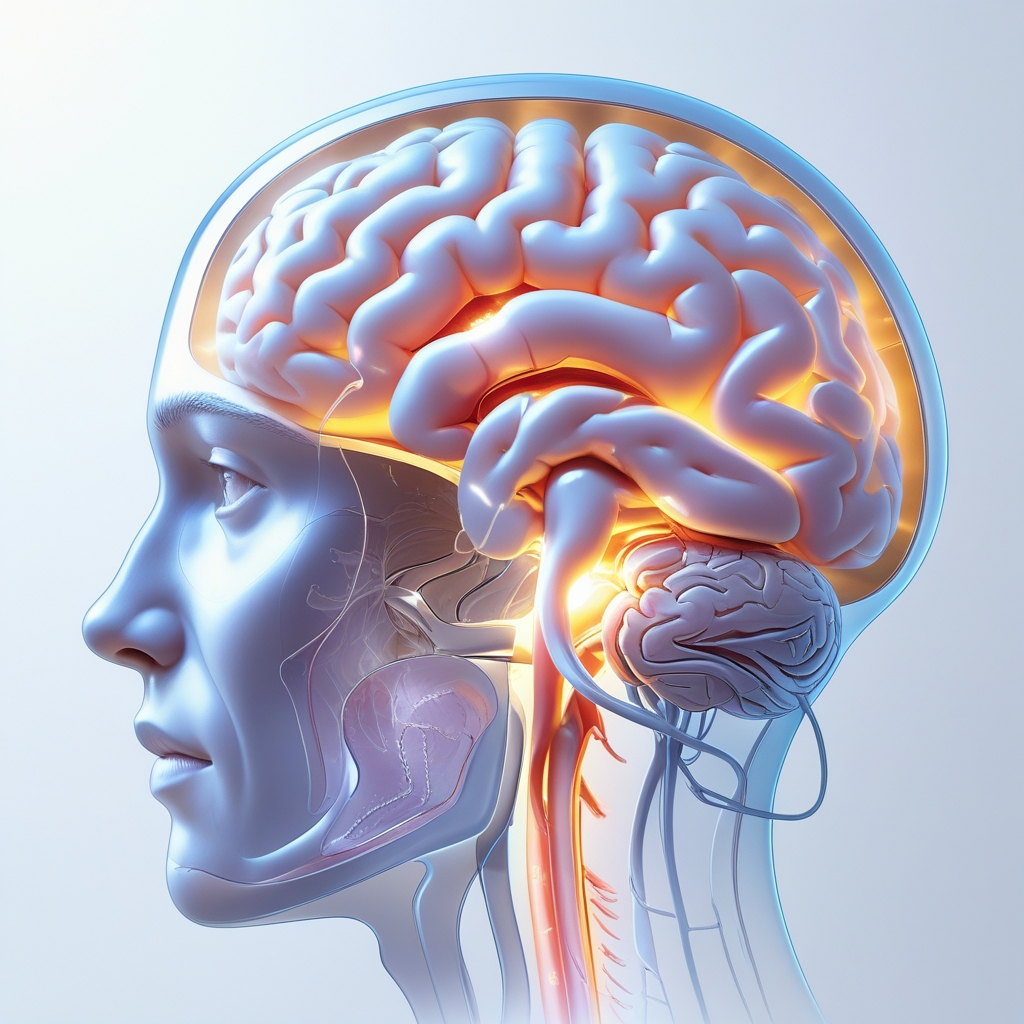
There is a close biological relationship between the brain and the skin. They both grow out of the same embryonic tissue, the reason why emotional stress is reflected on the skin fast.

When stress increases:
- The nervous system is stimulated.
- Stress hormones release
- Immune responses change
- Consequently, the skin responds visually.
Can Stress Cause Hives?
Yes, stress can cause hives. Psychological stress triggers the fight-or-flight response in the body emitting the histamine and inflammatory chemicals. These materials result in fluid seepage of blood vessels in the skin.
Consequently:
- Red welts appear
- Itching intensifies
- Swelling develops
These responses are present even in the absence of allergens, and this proves stress to be a direct trigger.
What Are Stress Hives?

Stress hives are itchy welts which are raised during or after emotional stress. They can occur in any part of the body and tend to shift their shapes or locations.
Common features include:
- Red or skin-colored bumps
- Burning or itching
- Sudden onset
- Temporary duration
Stress hives are manifested psychologically as symptoms of internal emotional overload.
What Is a Stress Rash?
Slightly different is the hives in comparison to stress rash. It does not produce raised welts but it presents itself as flat red spots or inflamed skin.
Stress rash often occurs:
- On the face
- On the neck
- On the chest
- On the arms
Despite its appearance of being dermatological, emotional stress is the major cause.
Psychological Processes of a Stress Hives and Stress rash.
There are a number of psychological and physiological mechanisms that clarify stress reactions on the skin.
Stress Hormones and Immune Activation.
Stress causes secretion of cortisol and adrenaline. As much as these hormones are useful in situations of emergency, chronic stress interferes with immunity.
As a result:
- Mast cells discharge histamine.
- Inflammation of the skin intensifies.
- Hives and rashes appear
This is why stress is associated with visible symptoms on the skin.
Hypersensitivity of the Nervous System.
Stress puts an over stimulation on the sympathetic nervous system. This stimulation causes the skin to have greater blood flow and have increased sensitivity.
Therefore:
- Skin becomes reactive
- Itching worsens
- Inflammation spreads
- More reaction is felt by psychologically sensitive individuals.
- Emotional Suppression, Skin Symptoms.
Psychology understands that suppressed feelings normally have physical expression. When people are repressed in anger, fear or sadness, the body would need an alternative outlet.
The skin in most instances turns to be the outlet.
Stress Hives vs Allergic Hives
Many people confuse stress hives with allergic reactions. However, important differences exist.
| Feature | Stress Hives | Allergic Hives |
| Trigger | Emotional stress | Allergen exposure |
| Duration | Hours to days | Until allergen removed |
| Pattern | Stress-related | Consistent |
| Tests | Usually normal | Allergy markers |
This distinction helps guide proper treatment.
Psychological Stressors That Trigger Hives
Some of the psychological stressors that usually cause stress hives and stress rash include some.
- Chronic anxiety
- Work pressure
- Relationship conflict
- Trauma reminders
- Sleep deprivation
The skin symptoms are more probable with the prolongation of the stress.
Anxiety and Stress Hives
Stress causes significant anxiety, which is a significant factor in skin reactions. Fear keeps the nervous system on the alert all the time enhancing inflammation.
Therefore:
- Stress hives may recur
- Itching feels intense
- Healing slows
- Anxiety keeps the stress-skin cycle, psychologically.
The Stress–Hives Cycle
The stress hives tend to operate in a self-perpetual cycle.
- Stress increases
- Hives appear
- Appearance causes worry
- Anxiety increases
- Hives worsen
To put a stop to this cycle, emotional stress should also be targeted rather than the skin symptoms.

Stress Rash and Social Anxiety.
Stress rash usually gets better when one is in a social setting. The stress due to fear of judgment aggravates inflammation of the skin.
This is a psychologically manifested response of increased self-awareness and risk.
Is Stress the Cause of Chronic Hives?
Yes, the chronic hives can be caused by prolonged stress. The chronic stress maintains the activity of histamine release, which does not allow full recovery.
Nevertheless, stress can be effectively alleviated and an enormous difference may be observed.
Stress Hives and Stress Rash Psychological Treatment.
Psychological intervention coupled with skin care is necessary to treat stress related skin conditions.
Therefore, Cognitive Behavioral Therapy (CBT).
CBT helps individuals:
- Identify stress triggers
- Lessen disaster thinking.
- Control emotions better.
- CBT is used to decrease stress and physical symptoms.

Techniques in Stress Management.
The reduction of stress effectively decreases inflammation of the skin.
Helpful techniques include:
- Deep breathing
- Relaxation of progressive muscles.
- Mindfulness practices
- These techniques relax the nervous system.
Feeling Communication and Therapy.
Therapy promotes positive emotional expression. Physical symptoms are reduced when the emotions are processed adequately.
- Psychology considers this to be a restoration of the mind body balance.
- Stress Reducing Stress Lifestyle Changes.
- Some of these habits aggravate the skin reactions of stress.
- Poor sleep
- Excess caffeine
- Unhealthy diet
- Constant screen exposure
Lifestyle change helps in the promotion of the wellbeing of the psyche and the skin.
When to Seek Medical Help
Patients need to see a medical professional when:
- Hives last over six weeks.
- Swelling affects breathing
- Pain becomes severe
Psychological treatment is only done after medical examination is performed to exclude other causes.
Frequently Asked Questions
1. Can stress cause hives without allergies?
Yes. Stress alone can trigger hives through histamine release.
2. How long do stress hives last?
Stress hives usually last from a few hours to several days.
3. What does a stress rash look like?
A stress rash appears as red, inflamed patches rather than raised welts.
4. Can anxiety make stress hives worse?
Yes. Anxiety keeps the nervous system activated, worsening hives.
5. Do stress hives go away on their own?
They often improve once stress levels decrease.