Overview
Dementia alters the way an individual thinks, remembers, reasons and also the way he or she interacts with the world. It does not only impact on memory but also on character, feelings, and judgment. Itis mistaken by a lot of individuals to be the forgetfulness. Nevertheless, dementia is a neurodegenerative disorder that disrupts autonomy.
The study of dementia under psychology is a cognitive and emotional disorder. This paper describes It in detail with brain alterations, its types, symptoms, stages, risk factors, diagnosis, treatment, and psychological care.
What Is Dementia?
It is the term used to refer to a set of symptoms associated with the destruction of brain cells. The symptoms disrupt regular cognition.
Affects:
- Short term and long term memory.
- Language and communication
- Problem-solving ability
- Judgment and reasoning
- Emotional control
- Behavior
Notably, dementia is not normal aging. The aging process can make it slower, whereas dementia interferes with everyday living.
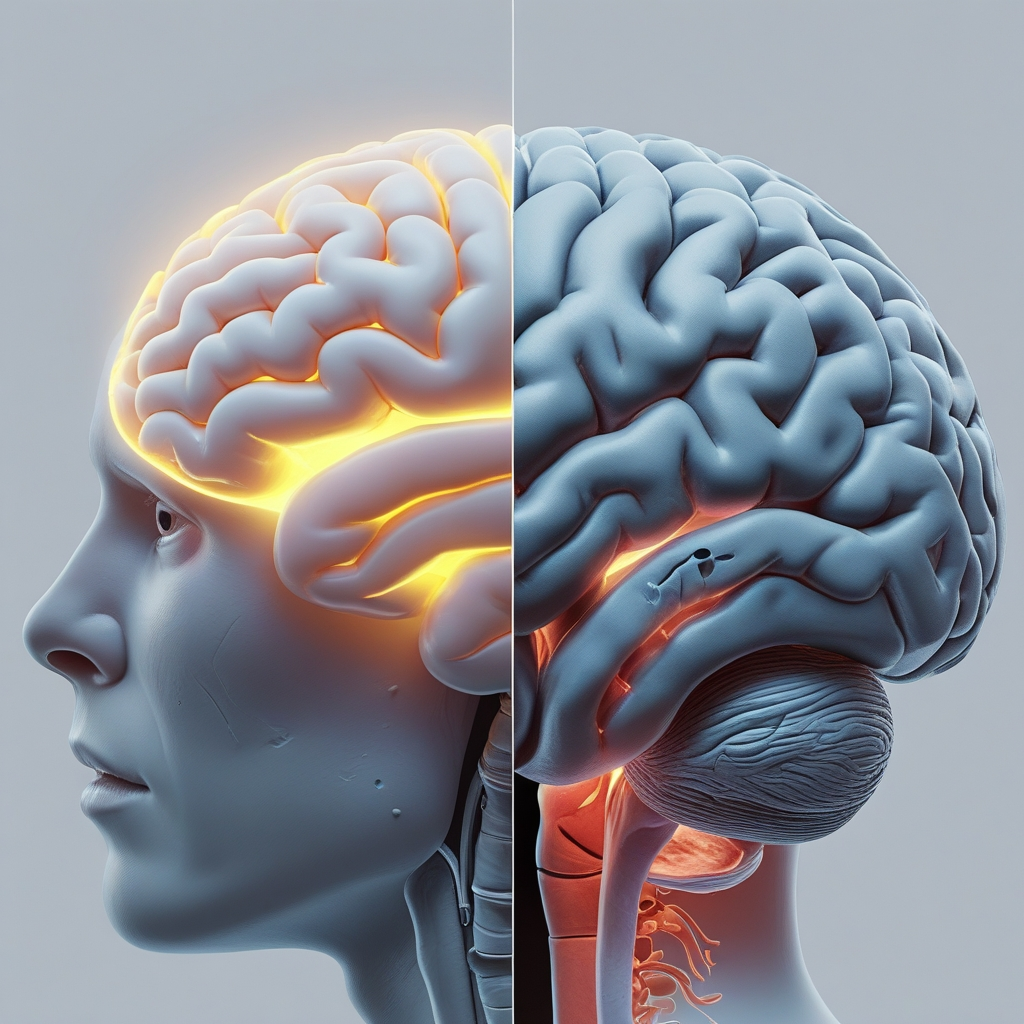
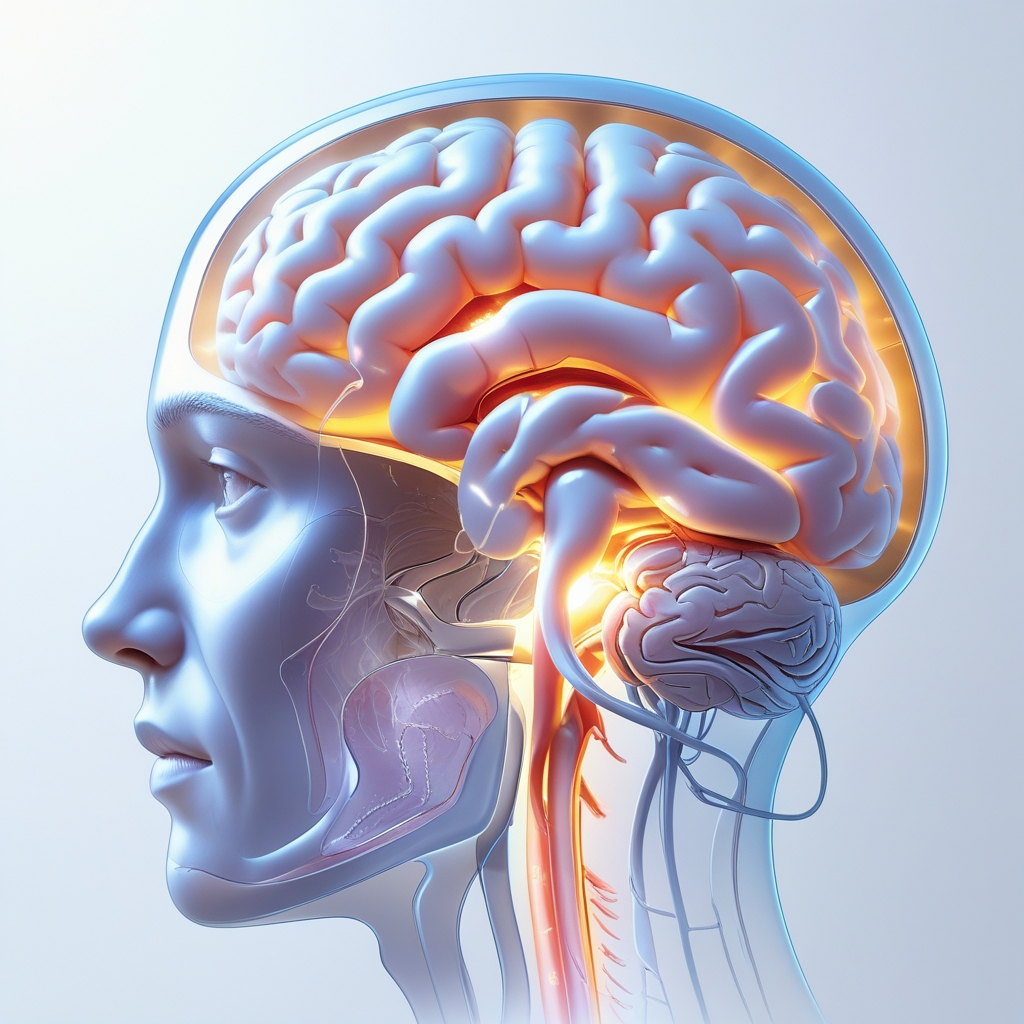
The Effects of the Dementia on the Brain.
The brain cells (neurons) communicate by means of electrical and chemical signals. Dementia destroys these neurons and communicational pathways.
As neurons deteriorate:
- Memory storage weakens
- Decision-making declines
- Emotional control goes off balance track.
- There is a possibility of change in personality.
With time, certain brain areas reduce. There is early damage to the hippocampus which controls formation of memory. Frontal lobes that control behavior and planning also weaken in old age.
Types of Dementia
It occurs because of various diseases. The types have a different impact on the brain.

1. Alzheimer’s disease
Alzheimer disease is a disease that leads to memory loss. Plaques and tangles are abnormal deposits of proteins in brain tissue. These deposits obstruct communication among the neurons and cause death of cells.
Patients affected with Alzheimer normally have:
- Problems with the recall of recent experiences.
- Time and place bewilderment.
- Language progression impairment.
2. Vascular dementia
Vascular dementia occurs as a result of narrowing of blood flow to the brain. Oxygen supply is disrupted by strokes or damage of small vessels.
The symptoms can either present abruptly or gradually. Individuals may show:
- Poor attention
- Slowed thinking
- Problems with planning activities.
3. Lewy body dementia
The Lewy body dementia is a problem with abnormal clusters of protein in the brain cells. It leads to the undulations of alertness and visual imaginations.
Common symptoms include:
- Changes in attention
- Movement problems
- Sleep disturbances
4. Frontotemporal dementia
Frontotemporal dementia afflicts the frontal and temporal lobes. It tends to deform personality prior to the impairment of memory.
Individuals may show:
- Impulsivity
- Loss of empathy
- Unsuitable social conduct.
- Language difficulties
Early Symptoms of Dementia
Often early-stage It is subtly manifested.
Warning signs include:
- Asking questions more than once.
- Losing the memory of recent talks.
- Difficulty with familiar tasks.
- Losing track of time
- Difficulty finding words
Diagnosis is done at infancy, which enhances planning and emotional adjustment.
Stages of Dementia
| Stage | Cognitive Symptoms | Emotional & Behavioral Changes |
| Mild | Forgetfulness, word-finding difficulty | Anxiety, frustration |
| Moderate | Disorientation, impaired reasoning | Mood swings, agitation |
| Severe | Severe memory loss, inability to recognize family | Full dependence, personality changes |
Progression speed depends on the type and overall health.
Psychological Impact
Dementia has a profound impact on the emotional state.
Emotional Intelligence at an Early Phase.
Individuals at an early age tend to notice cognitive degradation. This awareness causes:
- Anxiety
- Depression
- Fear of dependency
- Loss of confidence
Emotional distress is reduced by having psychological support at this stage.
Changes in Behavior at Later Stages.
As brain damage increases:
- Impulse control weakens
- Paranoia may develop
- Irritability increases
- Emotional outbursts occur
These symptoms are motivated by changes in the brain rather than deliberately.
Risk Factors for Dementia
There are a number of risk factors of dementia:
- Advanced age
- Genetic predisposition
- Cardiovascular disease
- Diabetes
- Smoking
- Chronic stress
Long term stress causes inflammation and vascular stress, which can lead to future cognitive deterioration.
Diagnosis of Dementia
Medical practitioners identify dementia by:
- Cognitive screening tests
- Neurological exams
- Brain imaging scans
- Blood tests
To estimate impairment, psychologists administer complex memory and executive functioning tests.
Treatment and Management
Most forms of dementia do not have a cure but they are treated to enhance quality of life.
Medication
Physicians prescribe drugs that control neurotransmitters. These drugs can delay the disease at the early stages.
Cognitive Stimulation Therapy.
Structured activities are the means of keeping the mind engaged by therapists. Brain functions are facilitated by social interaction and memory exercises.
Psychological Counseling
Counseling assists patients to manage changes in their emotions. It also helps family members adapt to the roles of caregivers.
Lifestyle Interventions

- Progression is very dependent upon lifestyle.
- Regular physical exercise
- Healthy Mediterranean diet.
- Social interaction
- Intellectual stimulation
- Stress reduction
These practices contribute towards cognitive resilience.
Dementia vs Normal Aging
| Normal Aging | Dementia |
| Occasionally forgets names | Frequently forgets close relatives |
| Misplaces items occasionally | Places items in unusual locations |
| Maintains independence | Requires assistance in daily tasks |
Dementia disrupts daily functioning. Normal aging does not.
Caregiver Psychological Support
Caregivers face emotional strain, burnout, and grief. Psychological counseling, support groups, and structured respite care reduce caregiver stress and improve long-term outcomes.

Long-Term Outlook
Dementia progresses in most cases. However, early diagnosis, supportive care, and psychological intervention preserve dignity and quality of life.
Proper support allows individuals to maintain meaningful relationships and emotional connection even as memory declines.
Frequently Asked Questions
1. What is the most common type of dementia?
Alzheimer’s disease causes most dementia cases.
2. Can dementia be cured?
Most types cannot be cured, but treatment improves quality of life.
3. What age does dementia usually begin?
It most commonly begins after age 65, although early-onset cases occur earlier.
4. Is dementia hereditary?
Genetics increase risk in some types, but lifestyle factors also play a major role.
5. How fast does dementia progress?
Progression varies depending on type, health status, and treatment.