Introduction
Knowing the difference between panic attack and anxiety attack will allow individuals to identify the symptoms in good time, get support in time and better control their emotional health. Despite the fact that most people use the terms interchangeably, the two conditions are unique in terms of triggers, duration, intensity, and more. In addition, the mental-health experts also categorize the panic attacks in a more formal way whereas the anxiety attacks usually present a growing number of anxiety symptoms that accumulate slowly.
In this step-by-step tutorial, you will learn the distinction between anxiety attack and panic attack, experience of each, causes of each, and reaction to symptoms occurrence. You will also see a comparison table and clear examples to provide you with the understanding of both experiences in a more confident manner.
What Is an Anxiety Attack?

Anxiety attack is experienced when one develops an incremental build-up of apprehension symptoms. Even though the manual of mental-health diagnosis does not formally state the definition of an anxiety attack, the term is currently much accepted to designate the time when the anxiety grows to an acute degree.
General signs of an Anxiety Attack.
People may experience:
- Chest tightness
- Restlessness
- Rapid breathing
- Difficulty concentrating
- Feeling overwhelmed
- Worrying thoughts
- Irritability
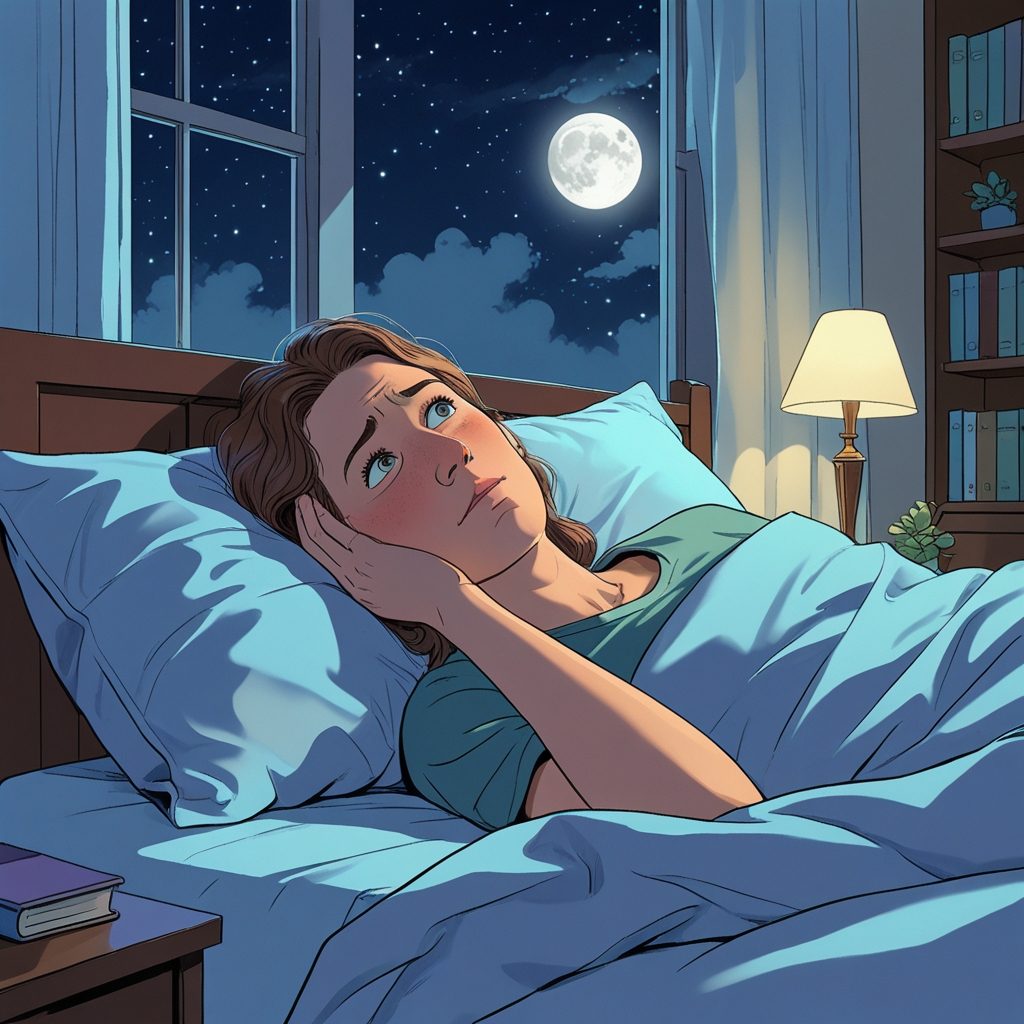
- Sleeplessness
These symptoms tend to emerge gradually and get intensified with time. Moreover, anxiety attacks are frequently accompanied by the external stressors, like the deadlines, problems in relationships, or even financial pressure.
What Is a Panic Attack?
Panic attacks are also accepted in the Diagnostic and Statistical Manual of Mental Disorders (DSM-5), unlike anxiety attack. A panic attack is an abrupt occurrence and is characterized by extreme fear that culminates in a few minutes.

Typical Panic attack symptoms.
People often report:
- Racing heart
- Sweating
- Trembling
- Feeling faint
- Chest pain
- Sensation of aloofness to reality (derealization)
- Fear of losing control
- Fear of dying
Moreover, panic attacks take a form of surprise. They may occur either in the rest or when driving or even in secure conditions, and this is the reason why they are particularly frightening.
Key Difference Between Anxiety Attack and Panic Attack
Because many individuals confuse the terms, understanding the difference between anxiety attack and panic attack becomes essential. Although both conditions share emotional and physical symptoms, their nature, timing, and intensity vary significantly.

Here is a clear comparison:
Comparison Table: Anxiety Attack vs. Panic Attack
| Aspect | Anxiety Attack | Panic Attack |
| Trigger | Usually triggered by stress or specific worries | Often occurs suddenly without a clear trigger |
| Onset | Gradual, building over hours or days | Sudden, reaching peak within minutes |
| Intensity | Mild to moderate | Severe and overwhelming |
| Duration | Can last from minutes to hours | Usually lasts 10–30 minutes |
| Recognition in DSM-5 | Not officially recognized | Officially recognized |
| Physical Symptoms | Chest tightness, worry, restlessness | Intense fear, chest pain, shaking, fear of dying |
| Emotional Pattern | Worry increases gradually | Fear arrives abruptly |
| After-effects | Tiredness, irritability | Exhaustion, fear of another attack |
Because of these differences, mental-health experts emphasize that the difference between anxiety attack and panic attack affects diagnosis and treatment approaches for each individual.
Detailed Breakdown of the Difference Between Anxiety Attack and Panic Attack
In order to make you see deeper, the following are some of the fundamental areas in which they differ:
1. Triggers and Causes
In the discussion of the distinction between anxiety attack and panic attack, you will find that triggers are significant.
Anxiety Attack Triggers
- Work stress
- Social pressure
- Long-term worries
- Health concerns
- Relationship issues
- Panic Attack Triggers
- Sometimes none at all
- Past trauma
- Phobias
- Major stress
- Biological sensitivity
Anxiety attacks are more common when the pressure becomes piled but on the other hand, panic attacks may be experienced even when nothing appears to be the problem.
2. Onset and Duration
The other notable distinction of the two conditions anxiety attack and panic attack concerns the rapidity of symptoms onset.
- Anxiety attack occurs gradually. You will notice that the stress level is rising all day.
- A panic attack is sudden, in most instances unanticipated and hits peak intensity in a few minutes.
- Also, anxiety attacks can take a long time up to hours; whereas the panic attacks tend to take a short time but are more severe.
3. Both Physical and Emotional Experience.
People define them in very different ways although they both can be uncomfortable.
Anxiety Attack Experience
Individuals experience tension, overwhelming, and great concern, although, they usually can be conscious of the stressor that leads to the anxiety.
Panic Attack Experience
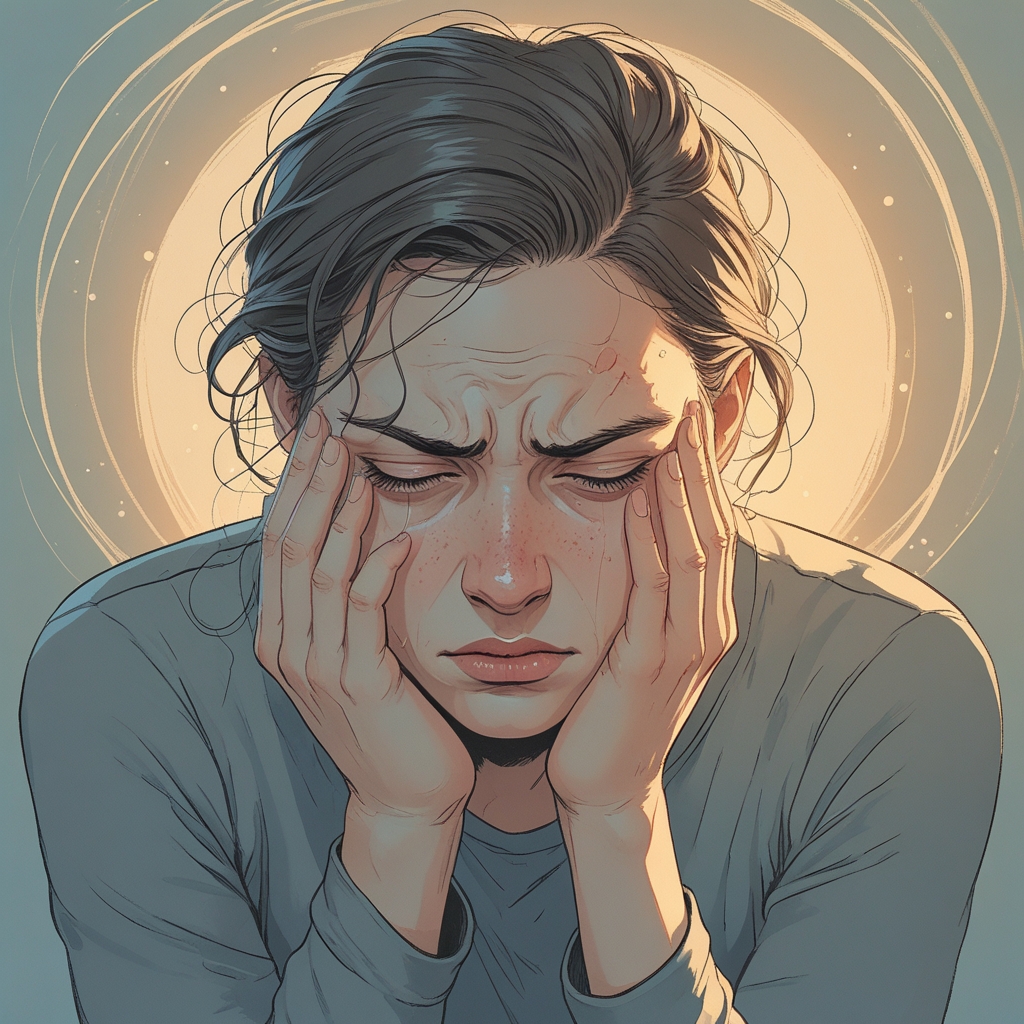
Individuals experience high levels of fear, chest pain, perspiration, trembling in the chest and loss of control. People are afraid that they suffer a heart attack or die.
This high level is a vivid demonstration of the variation in the severity of an anxiety attack as compared to a panic attack.
4. Impact on Daily Life
Anxiety attacks develop over time; therefore, people do not stop their daily routine but struggle to cope with them. Conversely, panic attacks are sudden disruptors of activities and can make the affected avoid an activity that they believe may trigger another attack.
Consequently, the distinction between anxiety and panic attack also has an impact on lifestyle and the pattern of choice made by a person.
5. Treatment Approaches
Learning how to distinguish anxiety attack and panic attack is one way of ensuring that they are treated properly.

Anxiety Attacks are treated with the following:
- Cognitivist Behavioural Therapy (CBT).
- Relaxation techniques
- Stress-management tools
- Breathing exercises
- Lifestyle changes
- Treatment for Panic Attacks
- Medication (when necessary)
- Panic-focused CBT
- Exposure therapy
- Ground exercises and breathing.
Since panic attacks are characterized by the sudden onset of fear, their management can be more dedicated to the education and coping mechanisms to deal with the sudden attacks.
What to do in the case of every type of attack.
Being able to respond in the moment will help eradicate fear and avoid escalation.
How to Deal with an Anxiety Attack.
- Identify the stressor
- Practice deep breathing
- Use grounding techniques
- Dispute unhealthy beliefs.
- Take yourself out of stressful places.
- How to cope with a Panic Attack.
- Remind yourself it will pass
- Sit or lie down safely
- Focus on slow, deep breaths
- Use grounding methods (like 5-4-3-2-1)
Consult medical assistance when the symptoms are new.
These strategies make the practical distinction between anxiety attack and panic attack concerning immediate adjustment.
Indications of When to seek professional help.
Although anxiety and panic attacks may occur once or twice, recurrent instances have to be taken care of. When symptoms affect the normal way of living, when they make one live in constant fear, or when they occur without a specific reason, then it becomes significant to consult a mental-health professional.
The difference between anxiety attack and panic attack and the specific symptoms that the patient has can be used to create a personalized treatment plan with the help of therapists, psychologists, or psychiatrists.
Conclusion
In conclusion, there is a distinction between the anxiety and panic attack that are primarily based on their causes, severity, onset and duration. Anxiety attacks are usually built up over time as a result of stress or worry and panic attacks are experienced abruptly and are accompanied by extreme fear. Knowing these differences, individuals will be able to recognize symptoms at the first stage, find the necessary assistance in a timely manner, and select an appropriate treatment course.
Furthermore, learning the distinction between anxiety attack and panic attack will enable people to feel secure and control their emotional health without feeling afraid or misguided.
FAQs
1. What is the main difference between an anxiety attack and a panic attack?
The main difference involves onset and intensity. Anxiety attacks develop gradually due to stress, while panic attacks appear suddenly and cause intense, overwhelming fear.
2. Can an anxiety attack turn into a panic attack?
Yes. If anxiety becomes extremely intense, it can escalate into a panic attack, especially in people prone to panic episodes.
3. Are anxiety attacks officially recognized in medical diagnosis?
No. Anxiety attacks are not formally defined in DSM-5, but panic attacks are.
4. How long do panic attacks usually last?
Most panic attacks last between 10 and 30 minutes, although the emotional impact may last longer.
5. Do both attacks require treatment?
Treatment depends on frequency and severity. Occasional anxiety or panic episodes may not need medical intervention, but repeated attacks should be evaluated by a mental-health professional.