Introduction
There are various categories of professionals who are involved in mental health treatment such as psychiatrists, psychologists and therapists. Nevertheless, individuals are in a perplexity regarding what psychiatrists do. The question that is posed most is, do psychiatrists do therapy?
The answer to the question is in the affirmative but not in all cases. Psychiatrists are capable of offering treatment, however, their main focus is on diagnosing and treating mental illnesses in a mixture of medications and psychotherapy. This step-by-step guide will explore the activities of psychiatrists, when they treat, and the way in which they differ in the role of other mental health practitioners.
What Is a Psychiatrist?
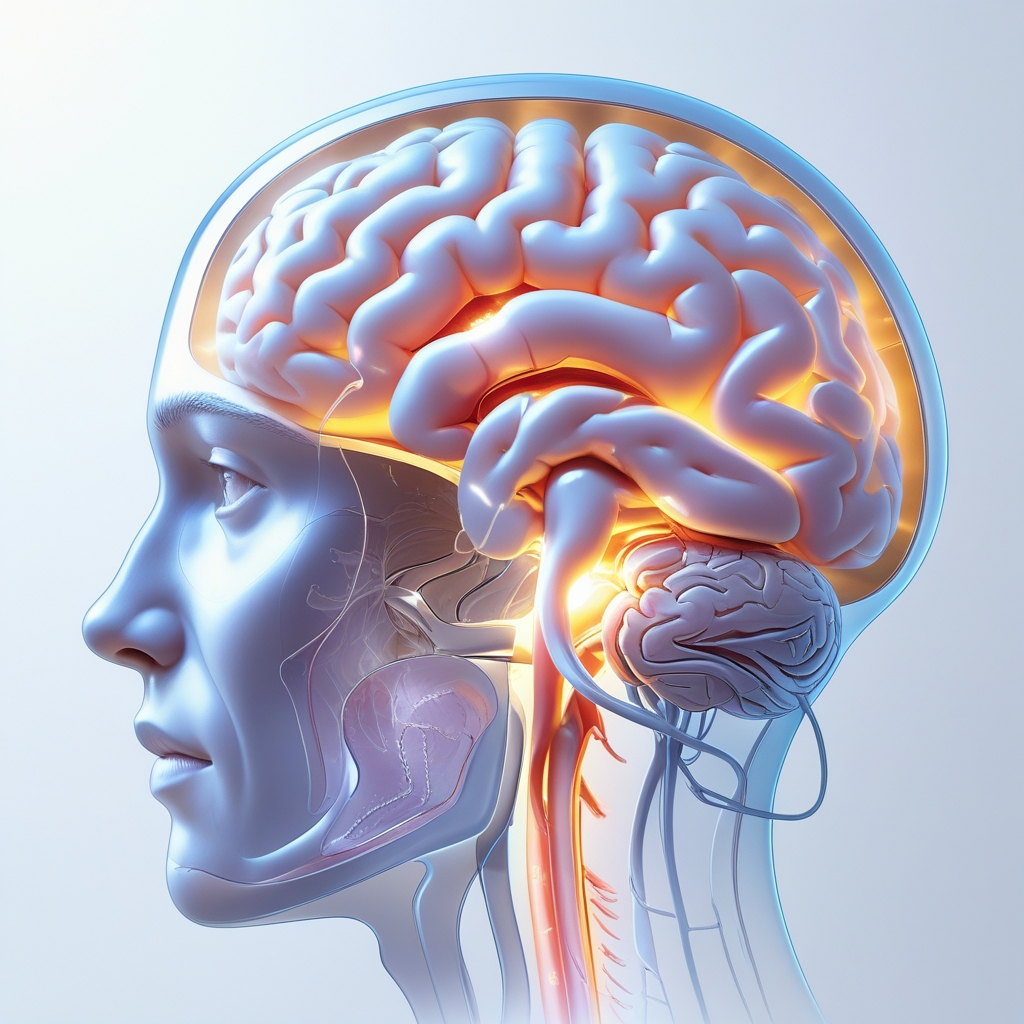
A psychiatrist is a doctor (MD or DO) with specialization in mental health. Psychiatrists are not like psychologists or counselors because, after they leave medical school, they are trained in the biological and neurological nature of mental disorders.
Psychiatrists are able to:
- Complex psychiatric patients.
- Order and prescribe drugs.
- Give psychotherapy where necessary.
- Co-ordinate with psychologists or therapists.
Then when a person poses the question of whether psychiatrists do therapy, the response will vary depending on their training and clinical environment. Other psychiatrists are primarily medication-oriented whereas others incorporate therapy in their session.
Do Psychiatrists Therapy on a Regular basis?
Yes, psychiatrists are allowed and do give therapy although not all of them do it on a regular basis. A large number of them emphasize on pharmacological care as they have the necessary medical knowledge to prescribe depression, anxiety, bipolar disorder, schizophrenia, and other disorders.
Nevertheless, psychiatrists who were trained in psychotherapy tend to combine both practices; therapy and medication in order to attain better outcomes.
For example:
- Cognitive Behavioral Therapy (CBT) may be applied by a psychiatrist to enable a patient to rethink the negative patterns of thinking and make some changes to antidepressant doses.
- The other one may concentrate on the psychodynamic therapy with the aim of exploring the impact of childhood events on present behavioural patterns.
- Consequently, whether psychiatrists practice therapy or not largely depends on the style of practice and the needs of patients.
Types of Therapy Psychiatrists May Provide
Although therapy is more commonly associated with psychologists or counselors, many psychiatrists are skilled in different psychotherapeutic approaches. Below are the most common types.

| Type of Therapy | Description | Commonly Used For |
| Cognitive Behavioral Therapy (CBT) | Helps patients identify and change harmful thought patterns. | Depression, anxiety, phobias |
| Psychodynamic Therapy | Explores unconscious patterns and emotional conflicts. | Personality disorders, trauma |
| Interpersonal Therapy (IPT) | Focuses on improving relationships and social functioning. | Grief, relationship issues |
| Supportive Therapy | Provides encouragement and coping strategies during stressful times. | Adjustment disorders, chronic illness |
| Dialectical Behavior Therapy (DBT) | Combines mindfulness with emotional regulation skills. | Borderline personality disorder, self-harm tendencies |
These methods demonstrate that psychiatrists can indeed provide therapy, though their emphasis often remains on the biological causes and treatments of mental illness.
How Psychiatrists Differ from Psychologists and Therapists

A common source of confusion arises when comparing psychiatrists, psychologists, and therapists. Although they all aim to improve mental well-being, their training and treatment methods differ significantly.
| Professional | Educational Background | Can Prescribe Medication? | Provides Therapy? |
| Psychiatrist | Medical Doctor (MD/DO) specializing in psychiatry | ✅ Yes | ✅ Sometimes |
| Psychologist | PhD or PsyD in psychology | ❌ No | ✅ Yes |
| Therapist/Counselor | Master’s degree in counseling or social work | ❌ No | ✅ Yes |
This table shows why people often ask, “Do psychiatrists do therapy?” Unlike psychologists or counselors, psychiatrists are uniquely positioned to address both biological and psychological dimensions of mental illness.
In What Situations Do Psychiatrists administer therapy?

Therapy is normally given by psychiatrists under the following circumstances:
When Therapy and Medication Become Partners:
Where there is a complex case such as bipolar disorder or schizophrenia, the psychiatrists may use a combination of medicine and supportive therapy to boost the response of the treatment.
Patients who want a one-doctor relationship:
Other patients are more comfortable working with a single professional who is able to prescribe their medications and administer therapy.
In Specialized or Private Practice:
Psychiatrists usually enjoy flexibility and have more time to do the therapy sessions.
In the treatment of medication-resistant conditions:
Provided the medications are not enough to reduce the symptoms, the psychiatrists might introduce the use of psychotherapy to empower the coping mechanisms.
Well, psychiatrists practice therapy, although not in cases that do not serve the overall wellbeing of the patient.
Benefits of Therapy from a Psychiatrist
Psychiatrists add distinct medical insight to the therapy process when they undertake the therapy.
1. Holistic Understanding
Psychiatrists have knowledge of the role of brain chemistry, hormones and neurotransmitters in shaping moods and behaviors. This enables them to combine psychological and biological knowledge in the process of therapy.
2. Tailored Treatment
They are also able to make changes in medications and at the same time deal with emotional struggles, making sure that they do this in a coordinated manner.
3. Continuity of Care
With one provider delivering therapy and managing patients on medications, the patient does not have to deal with miscommunication between medical practitioners.
4. Medical Expertise
Since the psychiatrists are doctors, they are able to determine when the psychological symptoms are as a result of physical disorders such as thyroid disorders, or neurological diseases.
Therefore, in a case of posing the question of whether psychiatrists do therapy, it is important to remember that their duality usually leads to more complete care.
The Reason Therapy is Not So Common with Some Psychiatrists.
Although all qualified psychiatrists may offer psychotherapy, not every one of them is available to do so on a regular basis. There are multiple explanations of this change in contemporary psychiatric practice:
Time Constraints:
Depending on the drug prescriptions, therapy sessions can take 45-60 minutes whereas medication check-ins can take 15-20 minutes. This variation impacts on scheduling and patient volume.
Organizational structure of the healthcare system:
Numerous insurance programs pay more to handle medication than to therapy, which affects psychiatrists.
Specialization:
There are psychiatrists that deal in medication and some that deal in psychotherapy.
Team-Based Care:
In most clinics, the psychiatrists deal with the medical treatment and psychologists or therapists with the counseling aspect.
Even though this separation contributes to efficiency, it also creates an inquiry, the question being, do psychiatrists do therapy anymore? It is still yes, only the frequency is different in accordance with the setting.
How to have Therapy with a Psychiatrist.
The procedure is generally systematic when a psychiatrist is administering therapy:
Initial Assessment
The psychiatrist performs a comprehensive examination of the symptoms, medical history, and emotional wellbeing.
Diagnosis and Treatment Planning.
Once the psychiatrist has diagnosed the disorder, he/she develops a treatment plan that involves either therapy or medication or both.
Therapy Sessions
The sessions can involve cognitive patterns, coping strategies, or expression of feelings in a regular manner based on the type of therapy.
Medication Management (where necessary)
The psychiatrist can keep track of the interaction between medications and the therapy process and modify the dosages.
Follow-Up and Maintenance
The number of sessions can decrease as long as the symptoms get better, but the sessions are necessary to ensure long-term stability.
This combined method features the effective application of psychiatrists balancing science and empathy in treatment.
Typical Psychiatric Mental Health Disorders.
Mental health conditions that can be controlled by psychiatrists are numerous. Their knowledge in medicine enables them to deal with mild and severe disorders.
1. Mood Disorders
- Depression
- Bipolar disorder
2. Anxiety Disorders
- Panic disorder
- Generalized anxiety disorder.
- Obsessive-compulsive disease (OCD)
3. Psychotic Disorders
- Schizophrenia
- Schizoaffective disorder
4. Personality Disorders
- Borderline personality disorder.
- Narcissist personality disorder.
5. Trauma and Stress-Related Disorders.
- Post-traumatic stress disorder (PTSD).
- In most of those instances, psychiatrists use aspects of the treatment to reinforce coping responses to medication.
Advantages of Combining Medication and Therapy
When psychiatrists integrate psychotherapy into treatment, patients experience better outcomes.
| Approach | Advantages |
| Medication Only | Quickly reduces symptoms but may not address underlying emotional causes. |
| Therapy Only | Builds long-term coping skills but may take longer for symptom relief. |
| Combined Approach | Offers rapid relief and long-term stability through biological and emotional healing. |
This combination clearly illustrates why psychiatrists who do therapy often achieve stronger and more sustainable results.
Can Psychiatrists Work with Other Therapists?
Absolutely. Collaboration is common in modern mental health care. Psychiatrists often work alongside:
- Psychologists for behavioral therapy.
- Counselors for supportive talk therapy.
- Social workers for community-based interventions.
This multidisciplinary teamwork ensures that patients receive comprehensive treatment addressing all aspects of their well-being.
Do Psychiatrists Do Therapy for All Age Groups?
Yes, psychiatrists can provide therapy for children, adults, and older adults — though some specialize in specific populations.
- Child Psychiatrists use play therapy and behavioral methods suitable for younger minds.
- Adult Psychiatrists focus on stress, depression, and relationship issues.
- Geriatric Psychiatrists help older adults cope with cognitive decline and loneliness.
So, regardless of age, therapy remains an integral option when psychiatrists choose to include it.
When to See a Psychiatrist for Therapy
You should consider therapy from a psychiatrist when:
- You suspect your symptoms have a biological or neurological cause.
- You’ve tried therapy alone but need medication support.
- You want a single provider to manage both talk therapy and prescriptions.
- Your symptoms are severe or resistant to counseling alone.
In these scenarios, psychiatrists’ ability to merge therapy and medicine becomes invaluable.
Conclusion
So, do psychiatrists do therapy? The answer is a clear yes, though it depends on their training, specialization, and practice setting. Psychiatrists possess the unique ability to blend medical science with psychotherapy, offering patients a holistic approach to mental health care.
While some focus exclusively on medication management, others devote significant time to psychotherapy, helping patients explore their emotions, behaviors, and thought patterns.
Ultimately, the best treatment approach depends on your individual needs. Whether through therapy, medication, or both, psychiatrists play an essential role in guiding patients toward stability, understanding, and long-term mental wellness.
Key Takeaways Table
| Aspect | Details |
| Primary Question | Do psychiatrists do therapy? |
| Answer | Yes, but it varies depending on the psychiatrist’s training and setting. |
| Main Role | Diagnose mental disorders, prescribe medication, and sometimes provide psychotherapy. |
| Common Therapies Used | CBT, psychodynamic, supportive, interpersonal, DBT |
| Best Approach | Combination of therapy and medication for balanced recovery |

FAQs
1. Do psychiatrists do therapy or just prescribe medication?
Psychiatrists can do both. Some focus mainly on prescribing medication, while others also provide psychotherapy.
2. What kind of therapy can psychiatrists provide?
They may use cognitive behavioral therapy (CBT), psychodynamic therapy, interpersonal therapy, or supportive counseling.
3. Why don’t all psychiatrists offer therapy?
Many focus on medication management due to time constraints, healthcare structures, or specialization.
4. Can I ask my psychiatrist for therapy?
Yes. If your psychiatrist offers psychotherapy, you can request to include it in your treatment plan.
5. Which is better — a psychiatrist or a psychologist for therapy?
Both are effective. Psychiatrists can also prescribe medication, while psychologists focus solely on psychotherapy. The choice depends on your condition and preferences.