Overview
Typically, a lot of individuals consume alcohol to relax, socialize or get rid of stress. Nevertheless, a high percentage of individuals experience anxiety during or after consumption. This response usually leaves people who are used to alcohol to calm their nerves puzzled. Consequently, a lot of people raise the question, does alcohol lead to anxiety?
Psychologically, neurobiologically, alcohol may also be the cause of anxiety. Indeed, alcohol is a widely known causative agent of alcohol induced anxiety particularly when the calming effect has expired. This paper describes the effect of alcohol on the brain, why one feels anxious, and how psychology describes this mind body reaction.
Getting to know the Impact of Alcohol on the Brain.
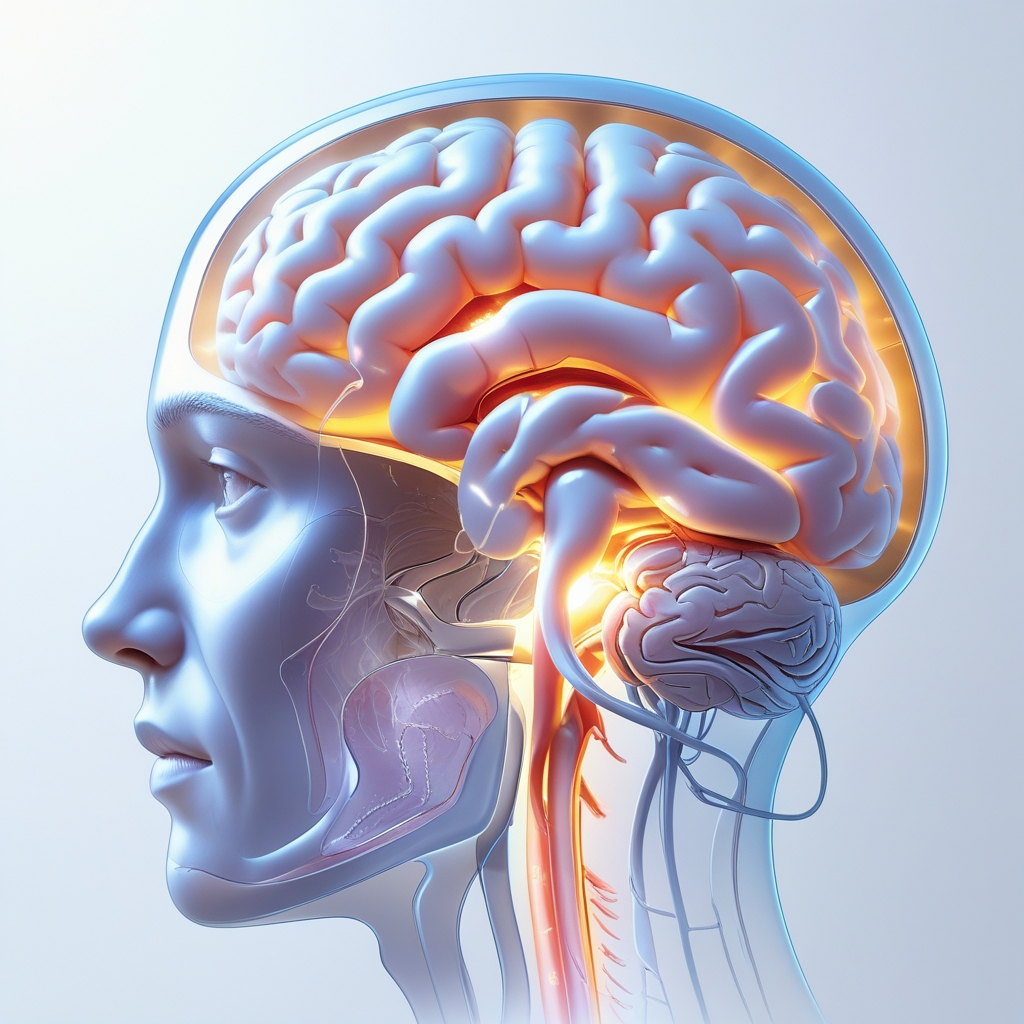
Alcohol has a direct effect on the brain chemistry. First, it inhibits the activities of the brain, and this produces relaxation and less inhibition. It is the brain that wants equilibrium though. Thus, it is into extreme arousal that the brain nudges back into after the consumption of alcohol.
This self-reinforcing effect is the reason why anxiety tends to be the aftermath of drinking and not elsewhere.

Is Drinking Alcohol Anxiety-Causing?
Yes, alcohol may lead to anxiety, particularly on the withdrawal or the following day. Alcohol causes anxiety to calm down but this is short term and in the long run, alcohol elevates the level of nerves.
The reason alcohol induced anxiety is because:
- Balance changes in neurotransmitters.
- Stress hormones increase
- Sleep quality declines
- Emotional control becomes weak.
As a result, alcohol is both a short and a long-term relaxant and anxiety intensifier.
What Is Anxiety Caused by alcohol?
Alcohol induced anxiety is anxiety symptoms which manifest in the state of intoxication, withdrawal, or hangover. Such symptoms are also found in individuals without the diagnosis of anxiety disorders.

Common signs include:
- Racing thoughts
- Restlessness
- Irritability
- Panic sensations
- Fear without clear cause
The mind cannot cope with the emotions after alcohol destabilizes the brain psychologically
The Psychological Processes that lead to Alcohol Induced Apprehension.
This has been attributed to a number of interrelated psychological and neurological processes.
Neurotransmitter Imbalance
Alcohol enhances GABA, a neurotransmitter that is calming. Meanwhile, it inhibits glutamate, a neurotransmitter that is excitatory. After the alcohol has left the body, the brain over compensates.
- As a result:
- GABA activity drops
- Glutamate surges
- Anxiety increases
This disproportion causes increased vigilance and apprehension.
Increased Stress Hormones
With intoxication, alcohol increases cortisol and adrenaline. These are hormones that trigger the fight-or-flight reflex.
- Therefore:
- The heart rate increases
- Muscles tense
- Thoughts become anxious
The cause of alcohol induced anxiety is this hormonal surge.
Abrupt Emotional Processing.
Alcohol affects the prefrontal cortex that controls emotions and judgment. As a result, the emotional control is undermined.
- After drinking:
- The negative thoughts become more severe.
- Emotional resilience drops
- Anxiety feels overwhelming
- The brain becomes psychologically blind.
Poor Sleep and Anxiety
Alcohol interferes with REM sleep despite the fact that it may make people sleep faster. Sleep deprivation makes one more emotionally sensitive and more anxious the following day.
Thus, there is a significant role of alcohol-related sleep disturbance in causing anxiety on the next day.

Alcohol Induced Anxiety vs General Anxiety
Although symptoms overlap, alcohol induced anxiety differs from chronic anxiety disorders.
| Feature | Alcohol Induced Anxiety | Anxiety Disorder |
| Trigger | Alcohol use | Ongoing stress |
| Duration | Hours to days | Weeks to years |
| Pattern | After drinking | Persistent |
| Treatment focus | Alcohol reduction | Therapy + lifestyle |
However, alcohol can worsen existing anxiety disorders.
Who Is More Vulnerable to Alcohol Induced Anxiety?
Some of them have higher levels of anxiety responses towards alcohol.
- Individuals who have anxiety.
- Patients of panic disorder.
- Individuals who are caffeine sensitive/stimulant sensitive.
- People who binge drink
- Patients who do not sleep well.
These individuals are psychologically sensitive in terms of the nervous system.
Anxiety Drinking vs. Post Drinking.
Alcohol may lead to nervousness in various levels.
Anxiety While Drinking
There are those who get nervous even when they are intoxicated because of:
- Loss of control
- Social pressure
- Derealization
Anxiety After Drinking
More often than not, the effect of anxiety will show up once alcohol is taken away as a result of neurochemical rebound.
- The Anxiety–Alcohol Cycle
- Alcohol and anxiety have a tendency of reinforcing each other.
- Anxiety appears
- Alcohol has a short-term effect of decreasing anxiety.
- Alcohol leaves the system
- Anxiety increases
- More alcohol feels tempting
This cycle is considered by psychology to be a great risk of dependence.
Repeated use of alcohol has psychological effects.
Regular drinking conditions the brain to depend on alcohol to regulate the emotions. With time, the anxiety baseline goes up.
- Consequently:
- Natural coping competencies are undermined.
- Stress tolerance decreases
- Freudal anxiety is increased.
Alcohol induced anxiety then occurs even when small quantities of alcohol are taken.
Alcohol Caused Panic Attacks and Anxiety.
- Panic attacks are usually caused by alcohol. Panic symptoms are similar to that of rapid heart rate, dizziness, and breathlessness.
- Consequently, individuals misjudge the body sensations and panic increases.
- This misunderstanding, on the psychological level, instigates fear instead of physical threat.
Is It Long-term Anxiety that Alcohol Can Cause?
- Indeed, persistent alcohol consumption may augment protracted anxiety.
- Constant neurochemical imbalance does not allow emotional stability.
- Nevertheless, anxiety usually decreases when alcohol is cut down or quitted.
Anxiety Done psychologically due to alcohol.
Therapeutic interventions are aimed at regulating emotions and balance of the nervous system.

Cognitive Behavioral Therapy (CBT)
CBT helps individuals:
- Determine alcohol-anxiety correlations.
- Reduce avoidance behaviors
- Develop more healthy coping mechanisms.
- CBT is still the best psychological method.
Mindfulness and Regulation of the Nervous System.
Mindfulness meditation relaxes the nervous system, decreases the anxiety sensitivity.
- Helpful techniques include:
- Body awareness
- Breathing exercises
- Nonjudgmental observation
- Such methods minimize rebound anxiety.
Lifestyle Modifications which decrease Anxiety due to alcohol.
- Minor changes are made to bring significant differences.
- Limiting alcohol intake
- Staying hydrated
- Eating balanced meals
- Prioritizing sleep
- The practices aid emotional stability.
When to Seek a Professional Assistance.
People should seek help if:
- Drinking aggravates anxiety.
- Panic attacks are very common.
- Alcohol seems like it is needed to open up.
- Fear is there even when one is sober.
- Both anxiety and alcohol patterns can be resolved in a non-hazardous manner by psychologists.
Long-Term Outlook
Alcohol induced anxiety has a positive prognosis. The vast majority of the population report improvement in a great way once they cut back on alcohol and acquire some coping skills without alcohol.
Notably, the brain is capable of regulating itself over time and with regularity.
FAQs
1. Does drinking alcohol cause anxiety the next day?
Yes. Alcohol commonly causes next-day anxiety due to neurotransmitter rebound and poor sleep.
2. What does alcohol induced anxiety feel like?
It feels like restlessness, racing thoughts, fear, and emotional sensitivity.
3. Can small amounts of alcohol cause anxiety?
Yes. Some people experience alcohol induced anxiety even after one drink.
4. How long does alcohol induced anxiety last?
It usually lasts a few hours to two days, depending on intake and sensitivity.
5. Will anxiety improve if I stop drinking alcohol?
In most cases, anxiety improves significantly after reducing or stopping alcohol.