Overview
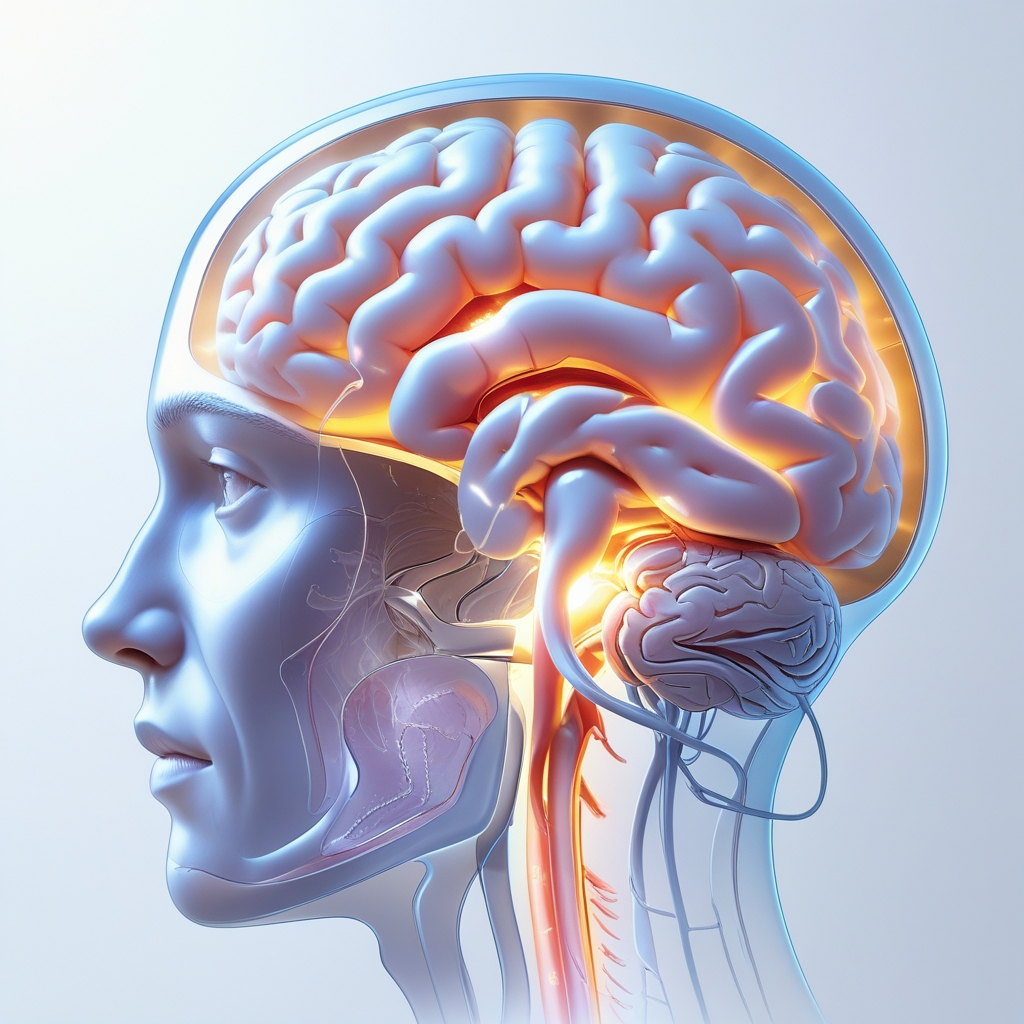
Insomnia is a sleep disorder among the common ones across the world. Hundreds of millions of people find it difficult to fall asleep, remain asleep, or wake up in a refreshing way. Even though transient insomnia would be considered ordinary, chronic sleeplessness would interfere with psychological health, physical health, and daily functioning. So, it is necessary to know and the causes of its development to be able to prepare the effective treatment and guarantee the further recovery.
This article defines insomnia and discusses its causes, and how psychological, medical, and lifestyle factors disrupt healthy sleep. Furthermore, it also offers systematic information to allow the readers to find trends and to find the right solution.
What Is Insomnia?
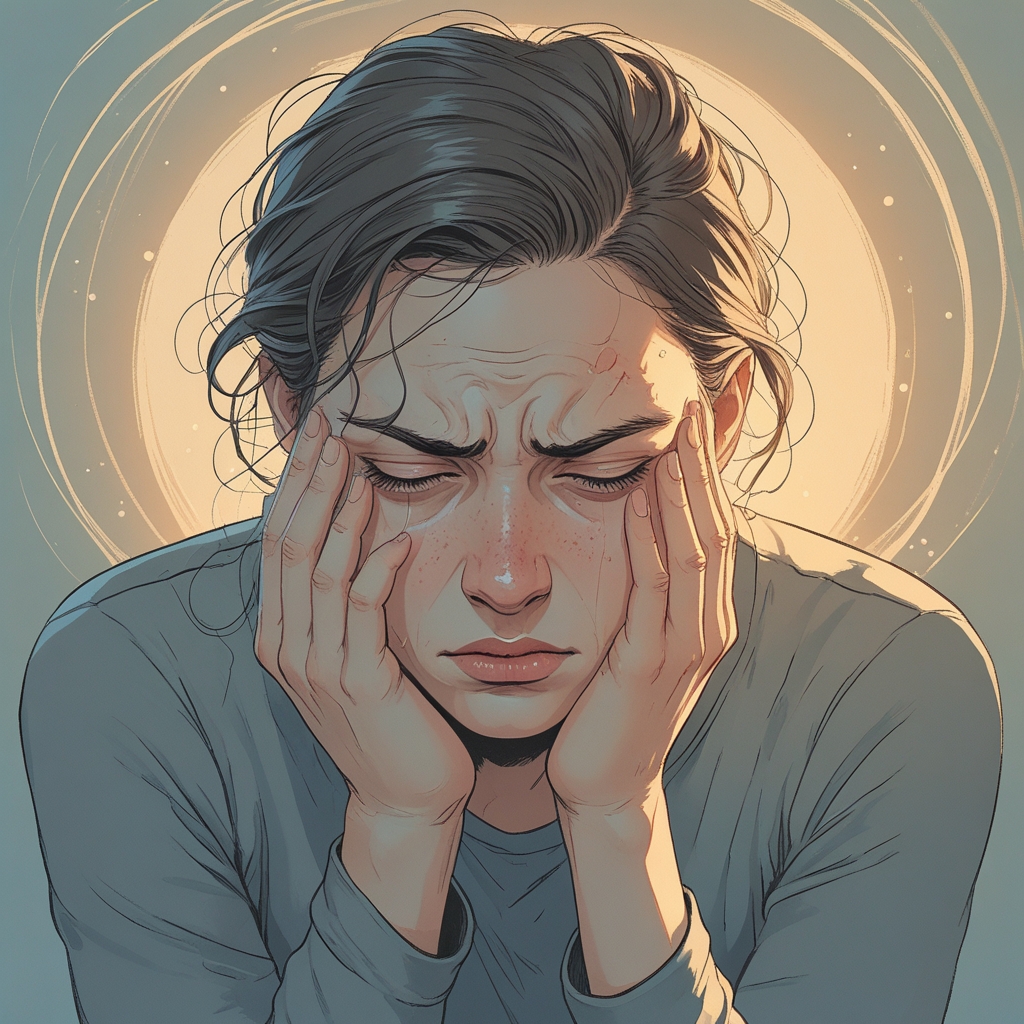
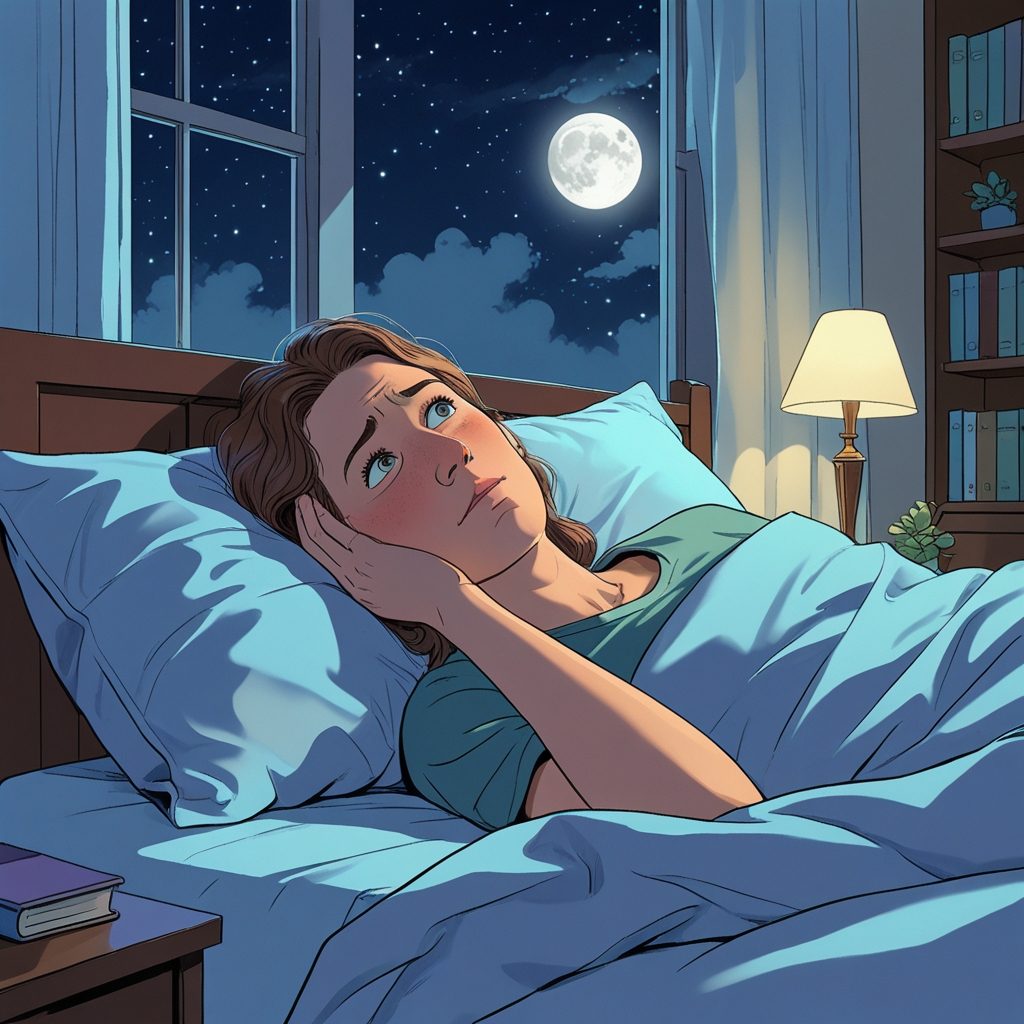
It is a sleeping disorder that is characterized by a inability to fall asleep, keep sleeping, or get restful sleep in spite of the ample time. Persons with insomnia usually wake up exhausted, unconcentrated and emotionless. Consequently, there is poor work performance, relationship and mental health.
It may be either short-term or last a few months or even years. Thus, insomnia is categorized by clinicians according to the duration, cause and the sleep pattern.
The reason why insomnia is not to be neglected.
Several individuals do not attach much importance to insomnia. Nevertheless, without treatment leads to anxiety, depression, cardiovascular diseases, and poorly functioning immunity. Moreover, lack of sleep that is chronic in nature affects mindfulness, reaction and emotional control.
Early diagnosis of the cause of insomnia will enable the recovery to be quicker, and long term complications will be avoided.
Primary Types of Insomnia
It can be classified by clinicians into a number of types to assist in diagnosis and treatment:
- Acute
- Chronic
- Comorbid
- Sleep-onset
- Sleep-maintenance
Each of the types represents the other cause and symptom pattern.
Acute Insomnia
Acute insomnia is short lived and it typically takes days or weeks. It may come abruptly as a result of stress or change of environment.
- Common Triggers
- Emotional stress
- Travel or jet lag
- Work pressure
- Temporary illness
The acute insomnia normally ends when the stressor is removed.
Chronic Insomnia
Chronic insomnia has a duration of at least three months and more than once a week. This kind is a great influence on mental and physical health.
- Key Characteristics
- Long-term sleep disruption
- Fatigue and irritability during the day.
- Increased anxiety at bed time.
Psychological counseling is usually structured in cases of chronic insomnia.
Getting to know the causes of Insomnia.
There is no single cause of insomnia. Rather, there are many factors that interact with and reinforce the difficulty in sleep. It is still important to be able to find the root cause of a treatment.
Psychological Reasons why people cannot sleep.
Psychological causes are one of the frequent causes

Anxiety Disorders
Fear maintains the nervous system in hyperarousal state. Consequently, the brain has difficulties in shifting into the state of sleep. Sleeplessness worry, fear of worry and racing thoughts are known to suppress sleep onset.
Depression
Depression distorts sleep structure and circadian cycles. Depressed individuals usually have an early morning wake up or sleep deprivation.
Stress and Overthinking
There is the activation of cortisol release by chronic stress which disrupts the production of melatonin. As a result, sleep is shallow and disjointed.
Medical Causes of Insomnia
There are a number of medical disorders which lead directly to insomnia.
- Chronic Pain Conditions
- Pain causes sleep discontinuity and precludes the deep sleep.
- Hormonal Imbalances
- Sleep-wake is disturbed by thyroid diseases, menopause, and cortisol hormonal imbalance.
- Neurological Conditions
- Parkinson disease and restless legs syndrome are the conditions that tend to result in night awakenings.
The Causes of Lifestyle-Related Insomnia.
The current lifestyle contributes to the risk of insomnia greatly.

- Poor Sleep Hygiene
- Irregular sleep schedules
- Excessive screen use
- Use of caffeine in the late-night hours.
- Substance Use
Alcohol will cause one to be much drowsy at the beginning of the night and later interfere with the REM sleep.
- Shift Work
Abnormal working hours are known to affect circadian rhythms and raise the insomnia rates.
Environment Causes of Insomnia.
Sleep quality is likely to be deteriorated by other factors that are environmental.
- Excessive noise
- Bright lights
- Uncomfortable bedding
- Temperature extremes
Sleep efficiency is enhanced by optimization of the sleep environment.
Causes of insomnia Behaviors.
The insomnia may be maintained by behavioral patterns despite the elimination of the initial trigger.
- Common Behaviors
- Clock-watching
- Napping during the day
- Getting work or use of phones in bed.
The brain gets used to these habits and thus related the bed to being awake instead of sleeping.
Insomnia Causes by Category
| Category | Examples |
| Psychological | Anxiety, depression, stress |
| Medical | Pain, hormonal disorders |
| Lifestyle | Caffeine, screens, shift work |
| Behavioral | Poor sleep habits |
| Environmental | Noise, light, discomfort |
This table highlights how multiple causes often overlap.
Insomnia and the Anxiety–Sleep Cycle
Insomnia often is a vicious circle. Anxiety being brought about by fear of not sleeping elevates the level of arousal. This further makes sleep more difficult.
To stop this cycle, it is necessary to address anxiety and sleep behavior at the same time.

The Impact of Insomnia and Mental Health.
Insomnia exacerbates emotional control and predisposes to mental illnesses. Negative thinking and lack of stress tolerance are increased by sleep deprivation. This eventually causes burnout, irritation, and mental deterioration.
Hence, insomnia is beneficial to treat the psychological stability.
- Diagnosis by Doctors.
- The diagnosis by clinicians is based on:
- Clinical interviews
- Sleep history evaluation
- Sleep diaries
- Psychological assessments
Only in case doctors suspect other sleep disorders, sleep studies are applied.
Treatment Approaches Based on Insomnia Causes
Treatment depends on the underlying cause rather than symptoms alone.
| Insomnia Cause | Primary Treatment |
| Anxiety-related | CBT, relaxation therapy |
| Behavioral | Sleep hygiene correction |
| Medical | Treat underlying condition |
| Chronic insomnia | CBT-I |
| Lifestyle-related | Routine restructuring |
This approach improves long-term outcomes.
Cognitive Behavioral Therapy (CBT-I)
CBT-I is the most effective in the case of chronic insomnia. It addresses maladaptive cognitive and behavioral patterns that sustain sleeping difficulty.
CBT-I helps individuals:
- Reduce bedtime anxiety
- Rebuild sleep confidence
- Normalize sleep patterns
Medical Insomnia: A reserved Treatment.
Physicians can prescribe sleep drug in the short term. Nonetheless, drugs do not deal with the root causes of insomnia. Sleep quality tends to deteriorate when it is long-term dependent.
Solutions based on therapy are still desirable.

Prognosis of Insomnia.
It is cured by treatment in most of the individuals. Even that is chronic will also be cured to an extent when properly handled. Notably, It is not a condition of the irrelevance to remain without sleep.
Frequently Asked Questions
1. What is the main cause of insomnia?
Anxiety and stress represent the most common causes.
2. Can insomnia go away on its own?
Acute may resolve naturally, but chronic usually requires treatment.
3. Does insomnia cause mental illness?
It does not directly cause mental illness, but it increases the risk significantly.
4. Is insomnia a lifelong condition?
No. Most people recover with proper treatment and habit changes.
5. What is the best treatment for insomnia?
Cognitive Behavioral Therapy (CBT-I) provides the most effective long-term results.