Introduction
Attention Deficit Hyperactivity Disorder (ADHD) is a disorder that affects millions of children and adults across the globe and it has an impact on the ability to concentrate, organize, as well as manage emotions. Although ADHD is one of the most studied neurodevelopmental disorders, there is one vital question that remains a question to many people is it a disability?
This is a question of the definition of the term disability. ADHD has medical implications that influence the functionality of the brain and normal performance. Under some legal restrictions, ADHD may be considered a disability, providing a person with some rights and accommodation. We will learn all about ADHD in this holistic guide; its definition, symptoms, effects, and how it is treated as a disability in various contexts.
Understanding ADHD
It is important to know what ADHD is first before responding to the question of whether it is a disability or not.
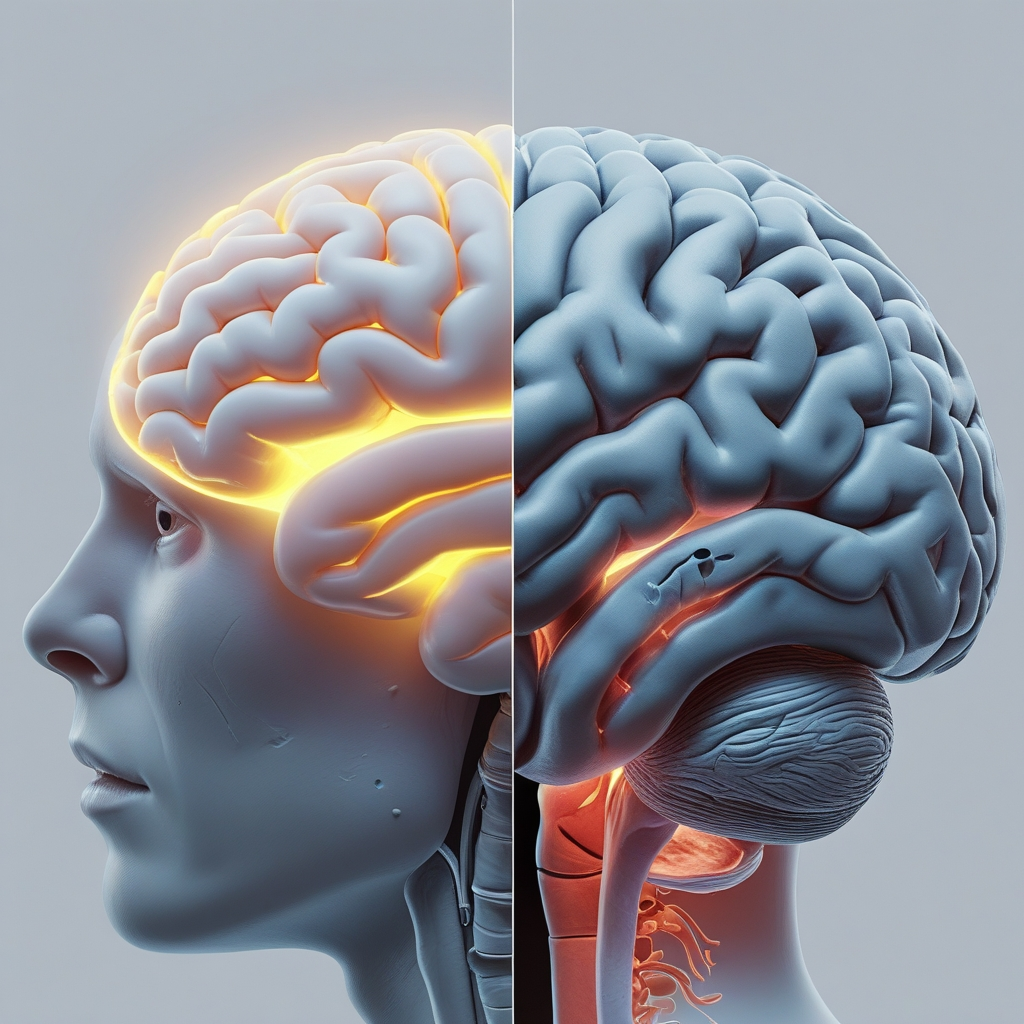
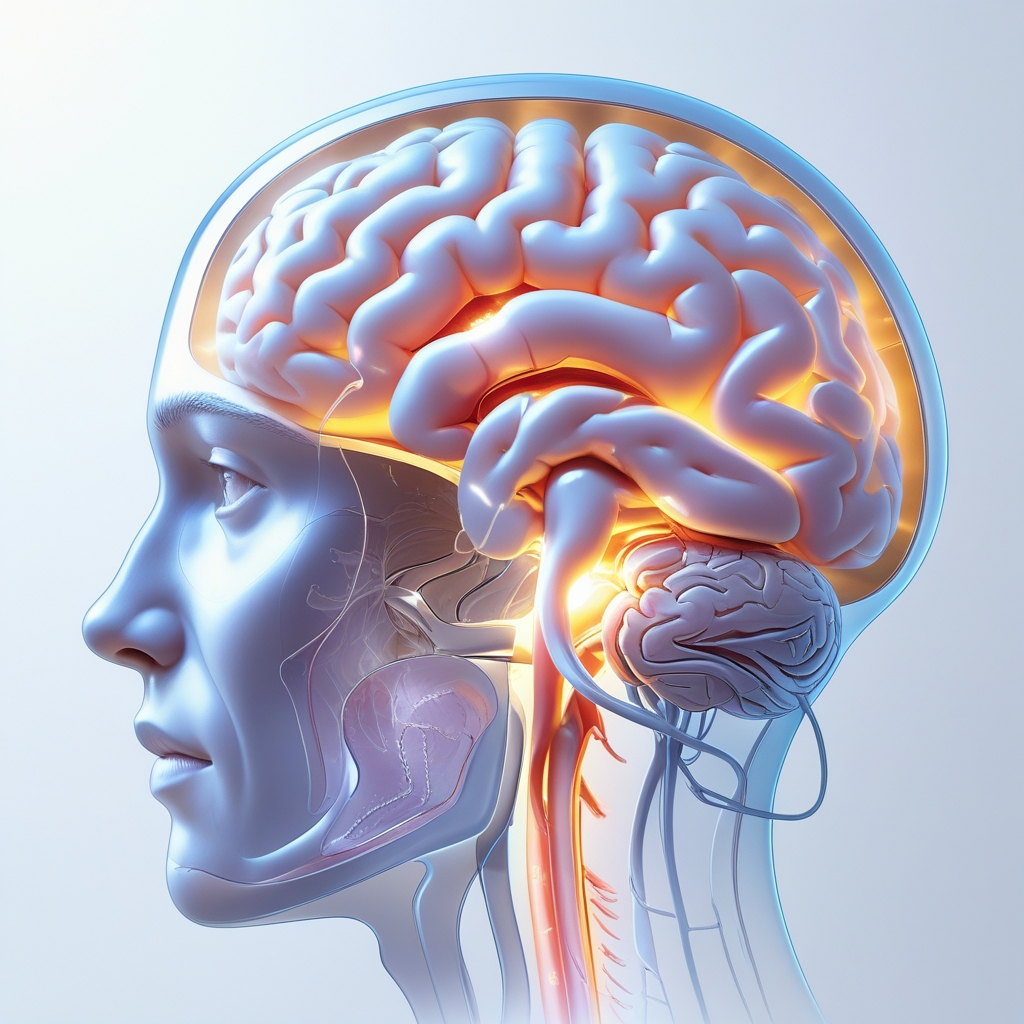
Attention Deficit Hyperactivity Disorder is one of the neurodevelopmental disorders that starts during childhood and may persist in adulthood. It has an impact on brain parts dealing with executive functions such as attention, impulse control, and working memory.
ADHD is identified to have three types:
- Inattentive Type: Has a problem with maintaining attention, is hard to keep focused, and forgetful.
- Hyperactive-Impulsive Type: The person is constantly in motion, restless, and acts out.
- Combinations Type: A combination of both inattentive and hyperactive-impulsive symptoms.
Even though the symptoms of ADHD may be mild, severe, or moderate, they tend to disrupt education, work, relationships and emotional control and hence the question as to whether ADHD is a disability or not.
Is ADHD a Disability Medically?
Medically speaking, the answer is yes – ADHD is a known disability. It is found in the Diagnostic and Statistical Manual of Mental Disorders (DSM-5) as a neurodevelopmental disorder.
Nonetheless, calling ADHD a disability does not imply that an individual cannot or cannot do something. Rather it recognizes that the brain is not a normal brain and needs certain strategies or accommodations to succeed.

Concisely, ADHD is considered a disability since it greatly impacts on the day-to-day performance, though it does not dictate the capabilities or the level of intelligence of an individual. When individuals with ADHD are provided with proper support, many of them live very successful, creative, and fulfilling lives.
ADHD and Disability Laws
Different countries have distinct laws protecting individuals with ADHD. In many cases, these laws recognize ADHD as a disability that warrants accommodations in education and employment.
| Region | Legal Framework | Does It Recognize ADHD as a Disability? | Examples of Accommodations |
| United States | Americans with Disabilities Act (ADA) & Section 504 | ✅ Yes | Extended test time, flexible scheduling, quiet workspace |
| Canada | Accessible Canada Act & provincial laws | ✅ Yes | Academic adjustments, modified workloads |
| United Kingdom | Equality Act 2010 | ✅ Yes | Additional time in exams, job task adjustments |
| Australia | Disability Discrimination Act 1992 | ✅ Yes | Educational and workplace support plans |
As we can see, most developed countries legally recognize ADHD as a disability, ensuring equal access to opportunities and protection against discrimination.
ADHD in Educational Settings
Education is one of the most important spheres, where individuals request a response to the question: is ADHD a disability? Among children and college students, among others, ADHD can pose a problem of lack of concentration, impulsivity, and inability to stick with well-organized schedules.

Special Education Support
ADHD in schools can be considered to be a qualifying condition that can place students on Individualized Education Programs (IEPs) or 504 Plans that provide specific accommodations such as:
- Extra time on tests
- Sitting position: not distracting.
- Note-taking assistance
- Breaks during long lessons
Teacher Involvement
The role of the teachers is extremely important as they apply adaptive teaching strategies, such as chunking, visual aids and frequent feedback. Such modifications facilitate learning and also enable students to gain confidence.
As such, ADHD is actually a disability under the educational law, which grants students the rights to supportive resources.
Is ADHD a Disability in the Workplace?
The issue of whether ADHD is a disability or not is also a significant concern in professional settings. Time management, attention and organization of tasks are some of the areas in which many adults with ADHD do not perform well and this may influence job performance.
Legal Protections
Under the Americans with Disabilities Act (ADA), employees having ADHD may be asked to request reasonable accommodations, provided that they are able to do the necessary job functions.
Examples of Workplace Accommodations

| Challenge | Possible Accommodation |
| Distractibility | Quiet workspace or noise-canceling headphones |
| Disorganization | Task management software, structured checklists |
| Impulsivity | Regular feedback sessions, clear task outlines |
| Forgetfulness | Reminder apps or shared calendars |
These accommodations allow individuals with ADHD to thrive professionally without stigma or discrimination. Hence, within employment law, ADHD qualifies as a disability when symptoms substantially limit work performance.
Symptoms That Make ADHD a Disability
Symptoms of ADHD vary widely but often affect executive functioning, making routine tasks more complex. Below is a breakdown of common symptoms that can make ADHD disabling in daily life.
| Category | Typical Symptoms |
| Attention Issues | Difficulty focusing, easily distracted, forgetful |
| Hyperactivity | Restlessness, excessive talking, constant fidgeting |
| Impulsivity | Interrupting others, risky decisions, poor patience |
| Emotional Regulation | Mood swings, frustration, sensitivity to rejection |
While everyone experiences these occasionally, ADHD causes them consistently and intensely, leading to real-world impairment — which explains why ADHD is considered a disability in medical and legal frameworks.
The Social Perspective: ADHD: a Disability or a Difference?
Although the medical community considers ADHD to be a disability, neurodiversity provides a wider opinion than the social model. This perspective holds that ADHD is not just a disorder, but another form of thinking and information processing.
- Individuals with ADHD are usually very creative, solving problems, and flexible a trait that is very important in today industries. Nevertheless, the inflexible systems of society may render the ADHD characteristics as a disability when they do not match the conventional norms.
- Therefore, although ADHD is a disability legally, most of the people who support it would rather term it as a brain functioning difference and focus on acceptance and inclusion instead of limitation.
- ADHD tends to co-exist with other mental health issues, and this fact can affect the conditions in which this disorder is regarded as a disability.
The prevalent Comorbidities Include:
- Anxiety disorders
- Depression
- Learning disabilities (such as dyslexia)
- Oppositional defiant disorder (ODD).
The ADHD complications can make the conditions even more difficult, as they may sometimes further increase the necessity in accommodations and professional assistance.
Treatment and Support of ADHD.
Though AD has the potential to be debilitating, proper treatment will be immensely beneficial. Most people are able to cope with the symptoms with the combination of the medication, therapy, and changes in lifestyle.
1. Medication
Methylphenidate and amphetamines are the stimulants that enhance concentration and impulse control. Non-stimulant drugs are also used to control mood and attention.
2. Therapy
- Cognitive Behavioral Therapy (CBT): Learns the management of time and emotions.
- Behavioral Coaching: Provides day-to-day instructions.
- Family Therapy: Assists family members to comprehend and embrace people with ADHD.
3. Lifestyle Strategies
- Structured routines
- Regular exercise
- Balanced nutrition
- Mindfulness or meditation
These supports make a lot of individuals with ADHD to convert their weakness into strength. Therefore, although ADHD is a disability, it can be controlled and not desperate.
When ADHD is Not Regarded as a Disability?
Although ADHD is legally and medically considered a disability, all individuals who are diagnosed with the condition do not have an extreme impairment.
- Mild ADHD: There are individuals who are capable of functioning successfully without making significant accommodations particularly when their coping skills are great.
- Effective Treatment: With proper treatment or medication symptoms can be minimized to the extent that the day-to-day functioning becomes no longer restricted.
- Supportive Environment: Knowledge of work-place and schools can lessen the disabling effect.
When such happens, ADHD might not practically act as a disability although it is one by definition.
Getting along in the world with ADHD:
ADHD is common among many well-known and successful persons such as entrepreneurs, artists and scientists. Their analogies demonstrate that a disability is not a characteristic of incapacity.
When equipped with the appropriate tools, individuals having ADHD tend to exhibit extraordinary creativity, instinct, and vitality. The trick is in being self-aware and enabling support at the initial stages.
It is thus more efficient to find an answer to the question of how to help people with ADHD achieve their potential instead of asking the question of whether ADHD is a disability or not.
Conclusion
So, is ADHD a disability?
Yes – ADHD is a disability medically, legally and in education since it significantly impacts the level of focus, impulse control and functional abilities. But it is also a difference, one that can also result in distinctive strengths when handled and dealt with correctly. Being disabled provides benefits like accommodations and protection and acceptance and support can help an individual to achieve the best in life.
After all, when ADHD is considered a disability and a neurodiversity, the society will be able to cease focusing on it as a limitation and start viewing it as an empowerment.
Key Takeaways Table
| Aspect | Details |
| Condition | Attention Deficit Hyperactivity Disorder (ADHD) |
| Medical Status | Recognized as a neurodevelopmental disorder |
| Legal Status | Classified as a disability under ADA, Equality Act, and similar laws |
| Main Symptoms | Inattention, impulsivity, hyperactivity |
| Support Options | Medication, therapy, coaching, accommodations |
| Outlook | Highly manageable with treatment and self-awareness |
FAQs
1. ADHD: Is a disability under the ADA?
Yes. The Americans with Disabilities Act considers ADHD as a disability in case it impairs significantly the major activities of life.
2. Is a disabled person with ADHD eligible to disability benefits?
Yes, in severe cases. Nevertheless, it is eligible on the basis of the severity of the symptoms of ADHD on everyday functioning and employment.
3. Is the ADHD a learning disability?
Not exactly. ADHD impacts the attention and concentration whereas learning disabilities target particular academic competencies. However, they can coexist.
4. Are there accommodation options in workplaces among adults with ADHD?
Yes. The laws on disabilities allow ADHD to seek reasonable accommodation to work in an acceptable manner.
5. ADHD disability or difference?
It’s both. ADHD is a disability within the legal context but is treated socially as a neurodiverse condition that has both weaknesses and strengths.