Introduction
The question that people have is is bipolar genetic since the bipolar disorder is a family affair. Despite the fact that researchers are yet to reveal the entire picture, decades of research indicate that there is a lot of evidence to suggest that genetics have a significant role to play when it comes to the development of bipolar disorder. Nevertheless, genetics are not the only determinants of the development of the condition. Other causes include environment, the level of stress, brain chemistry and lifestyle choices.
You will learn about what science has to say about heredity, the impact of genes on risk, and why not every person with a family history of bipolar disorder ends up developing the disorder in this detailed guide. In addition, you will have an insight as to how to deal with risk before it strikes you, particularly when you have close relatives with the condition.
What Is Bipolar Disorder?
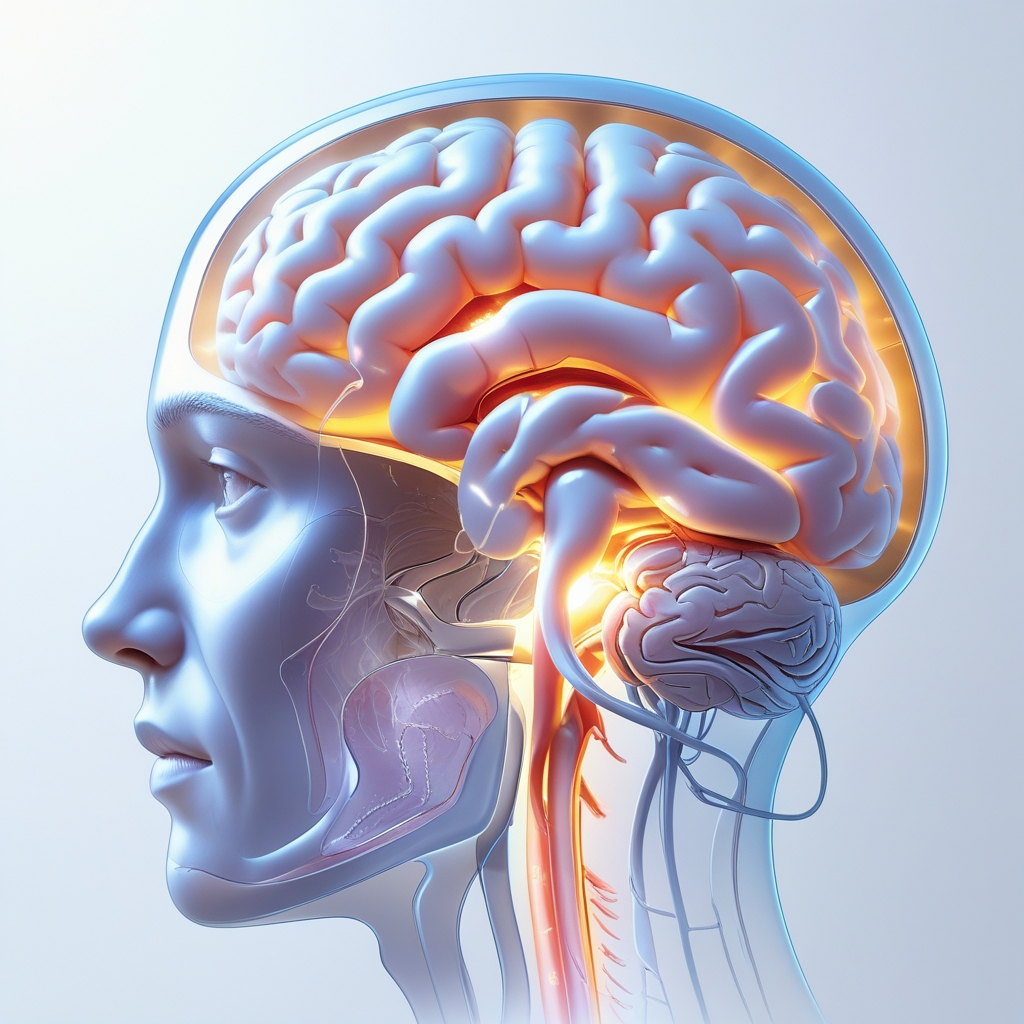
Bipolar disorder is an emotional disorder, which is marked by extreme changes in mood between highs (or hypomanic) and lows (depression). It influences energy, way of thinking, sleep, judgment and day to day functioning. Due to the high prevalence of these symptoms in families, scientists started to pose the question early: is bipolar hereditary?
Mania usually includes:
- Elevated mood
- High energy
- Rapid speech
- Impulsive behavior
Depression is generally characterized by:
- Low mood
- Fatigue
- Loss of interest
- Difficulty concentrating
These trends tend to exist in a cluster within their families, making the question: is bipolar genetic predictably? even more powerful.
Does Genetic Research Support Bipolar?

Yes, studies are overwhelmingly in favor of a genetic association. The research invariably demonstrates that bipolar disorder is more prevalent in families when one or more of the family members have this condition. Thus, researchers are sure that the response to the question, whether or not bipolar genetic, is predominantly yes, but not completely.
What studies show:
- The risk in the first-degree relatives (parents, siblings, children) is 10 times.
- In case one of the parents has bipolar disorder, a child is likely to develop it at a rate between 15 and 30%.
- The risk is 50-75 in case both the parents are bipolar.
- The identical twin study demonstrates that when one of the twins is suffering bipolar disorder, the other has 40-70 percent probability of developing the disorder.
Such statistics show clearly that there is a genetic relationship. Nevertheless, they are also able to demonstrate that genes themselves are not enough to predispose the disorder. That is a reminder that although the answer to the question of whether or not bipolar is genetic is yes, there are other factors that contribute to the development of the same.
What Is the Impact of Genes on Bipolar Disorder?
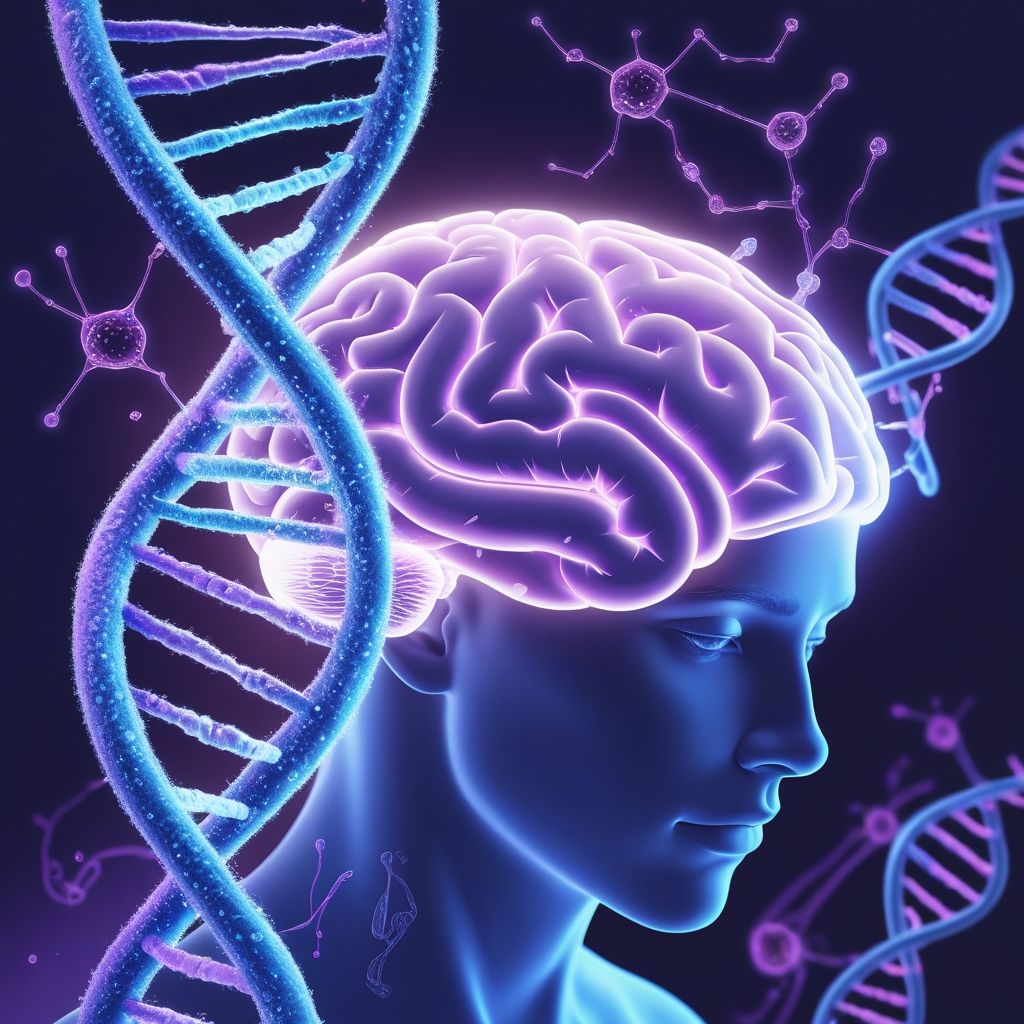
There has not been any single gene discovered by scientists that causes the bipolar disorder. Instead, they found that several genes interact with each other and each has a little contribution to total risk.
Significant genetic discoveries are:
- There are several genes that play a role and this explains why bipolar disorder is polygenic.
- There are strong associations with genes that influence neurotransmitters, in particular, the dopamine, serotonin, and glutamate.
- Circadian rhythm (sleep cycles) genes can also affect the mood.
Due to the bipolar disorder being dependent on numerous interacting genes, the question of whether bipolar is genetic is further complicated. The illness is genetic, but very personalized by virtue of genetic variation.
The Role of Epigenetics
The influence of epigenetics in the process of bipolar development is significant even in cases when two individuals have similar genetics.
Epigenetics is a modification of the activity of genes that is due to:
- Environment
- Stress
- Trauma
- Diet
- Sleep
- Substance use
These aspects have the ability to turn on or turn down some genes. Thus, a person can be born with genes that are associated with bipolar disorder but they will not develop it unless provoked.
This highlights that even though the answer to the question; is bipolar genetic is somewhat yes, there is the impact of the environment to make those genes act.
Interaction of Environment and Genetics.
You need to look at heredity and environment in order to see the whole picture. In spite of the highly genetic basis, bipolar symptoms are usually triggered by external factors.
Examples of common environmental triggers are:
- Chronic stress
- Early childhood trauma
- Sleep deprivation
- Major life changes
- Substance abuse
- Hormonal fluctuations

The question therefore of bipolar being genetic, points to one very significant fact; genetics bring the weakness, but the environment brings the performance into the fore.
Does Family History Predict Bipolar Disorders?

No, there is no guarantee that family history will result in bipolar disorder. Although there is a high genetic risk of developing it, a significant number of individuals never do. This demonstrates that genetics is only powerful but not determinant.
For example:
- You can have the genes of bipolar but without going through a depressive or manic episode.
- You can be the bearer of risk markers and cope with the stress so successfully that the symptoms remain inactive.
- You can end up having less severe mood disorders as opposed to bipolar disorder.
- As a result, the actual response to is bipolar genetic is:
- Yes, but it is not predestination that genetic predisposition is.
How to Know Your Risk Level
Being aware of your individual risk will enable you to react. Consider the following:
1. Are you close family members of bipolar-affected persons?
Yes, it means that you are genetically at risk.
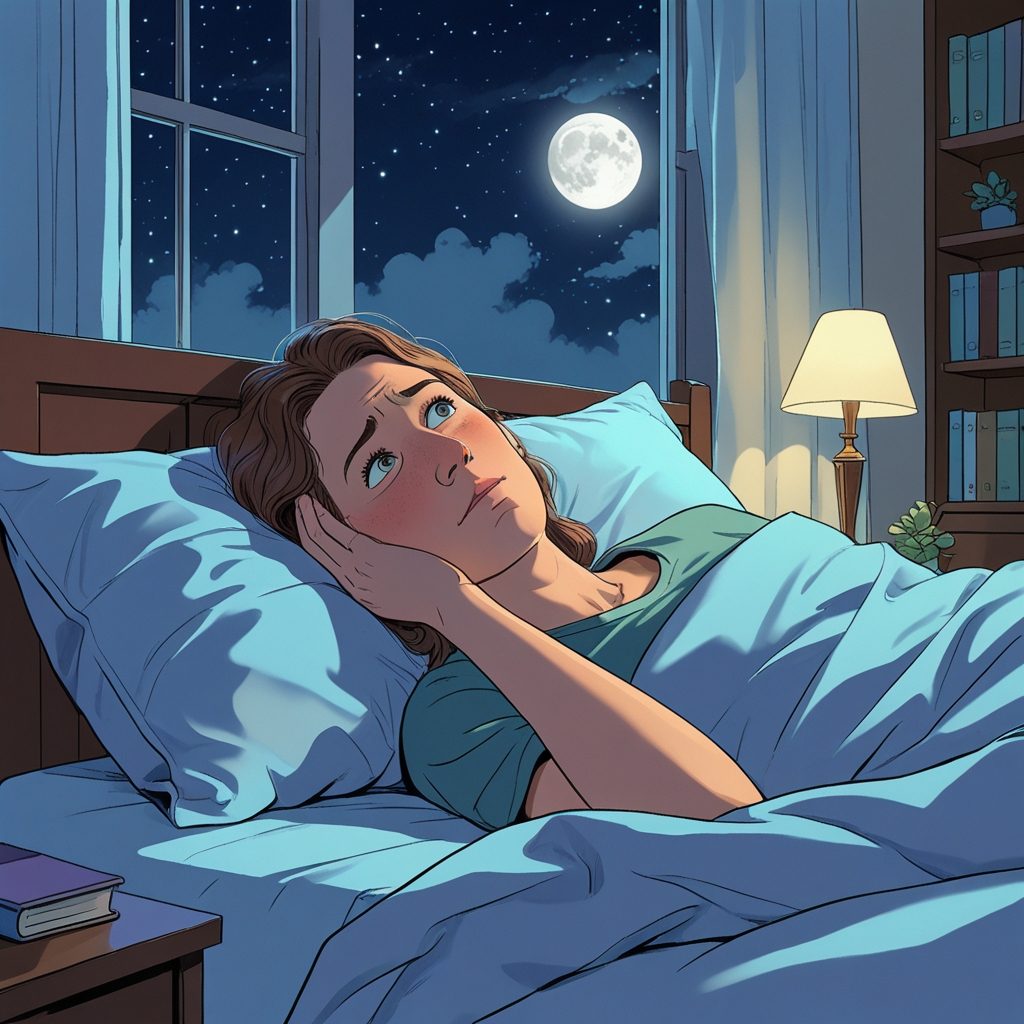
2. Have mood swings, irregular sleep or impulsive behavior?
These can be indicators of early signs.
3. Do you often have stress or trauma?
These determinants can be triggers of genetically predisposed people.
4. Have you a history of substance use?
Latent symptoms are usually triggered by substances.
The assessment of these questions will assist you in realizing the reason why researchers are so convinced that the answer to the question of whether bipolar is genetically dependent or not depends on personal family history and living style.
Reducing the risk in case bipolar runs in your family.
Although you may have a genetic pre-disposition, you can go a long way in mitigating the risks by taking a wise control of lifestyle factors.
Strategies that help:

- Keep regular sleeping schedules.
- Train stress-management skills.
- Avoid recreational drugs
- Moderate both alcohol and caffeine.
- Engage in early mental health care.
- Create good social networks.
- Eat healthy and work out.
- You cannot fix your DNA but you can decide how you react to the vulnerability of your genes.
That is why experts believe that the question is right, but in the same way, one needs to state whether it is possible to diminish environmental stimuli.
The Bipolar Disorder in Children and Genetics.
There is an increased risk among children who have a family history of bipolar disorder but symptoms manifest differently. Kids may show:
- Irritability
- Sudden mood changes
- Behavioral outbursts
- Difficulty focusing
- Changes in sleep patterns
The timely assessment of a mental health professional assists families to deal with the symptoms before they get out of control.
Table: Genetic vs Environmental Contributors
| Genetic Factors | Environmental Factors |
| Family history | Trauma or stress |
| Multiple risk genes | Sleep disruption |
| Neurotransmitter gene variations | Substance use |
| Inherited brain structure differences | Lifestyle habits |
| Heritable mood regulation patterns | Major life transitions |
This table highlights how genetics and environment work together in shaping bipolar disorder risk.
Future Research: Are We Close to a Genetic Test?
Scientists continue to study the genetic patterns behind bipolar disorder. Although they discovered hundreds of genetic variants, they still cannot create a simple test that predicts bipolar disorder with certainty.
In the future, researchers may develop personalized treatments based on genetic profiles. Until then, the question “is bipolar genetic?” remains answered by the combination of hereditary influence and environmental activation.
Conclusion
So, is bipolar genetic?
Yes—genetics play a major role. Family history significantly increases risk, and research clearly shows that bipolar disorder is strongly hereditary. However, genes alone do not determine the disorder. Environment, lifestyle, and personal resilience influence whether symptoms appear.
Understanding both genetic and environmental factors empowers individuals to make healthier choices, seek early intervention, and manage symptoms effectively.
FAQs
1. Is bipolar genetic?
Yes, genetics significantly influence bipolar disorder risk, especially if close relatives have the condition.
2. If my parent has bipolar disorder, will I develop it too?
Not necessarily. You have a higher risk, but environment and lifestyle also play major roles.
3. Can you prevent bipolar disorder if it runs in the family?
You cannot change genetics, but early mental health care, good sleep, and stress management help reduce risk.
4. Are scientists working on a genetic test for bipolar disorder?
Yes, but no accurate test exists yet because bipolar disorder is polygenic and complex.
5. Can bipolar disorder skip generations?
Yes. Genetic traits may stay dormant and appear again in later generations.