Introduction
Post-Traumatic Stress Disorder (PTSD) is a condition that changes the mental, emotional, and operative functions of millions of people around the globe, as they cannot think, feel, and act as they were before enduring the traumas. However, there is always the question which is, is PTSD a disability?
The response is not only complicated, but also significant. PTSD may severely affect everyday life, relationships and job output. In medicine and law, it is known as psychiatric disability when functioning is severely impaired by the symptoms. This article will discuss the nature of PTSD, its impact on people, and the way it must be considered a disability by different laws.
What Is PTSD?
Post-Traumatic Stress Disorder is a condition that comes after one is exposed to traumatic experiences like war, abuse, accidents, or violence. It is a psychological disorder which may develop weeks, months as well as years following the trauma.
PTSD sufferers tend to repeat their traumatic experiences in the form of flashbacks, nightmares or intrusive thoughts. They can either not be reminded of the trauma, or be emotionally numb, or they are always on the alert.
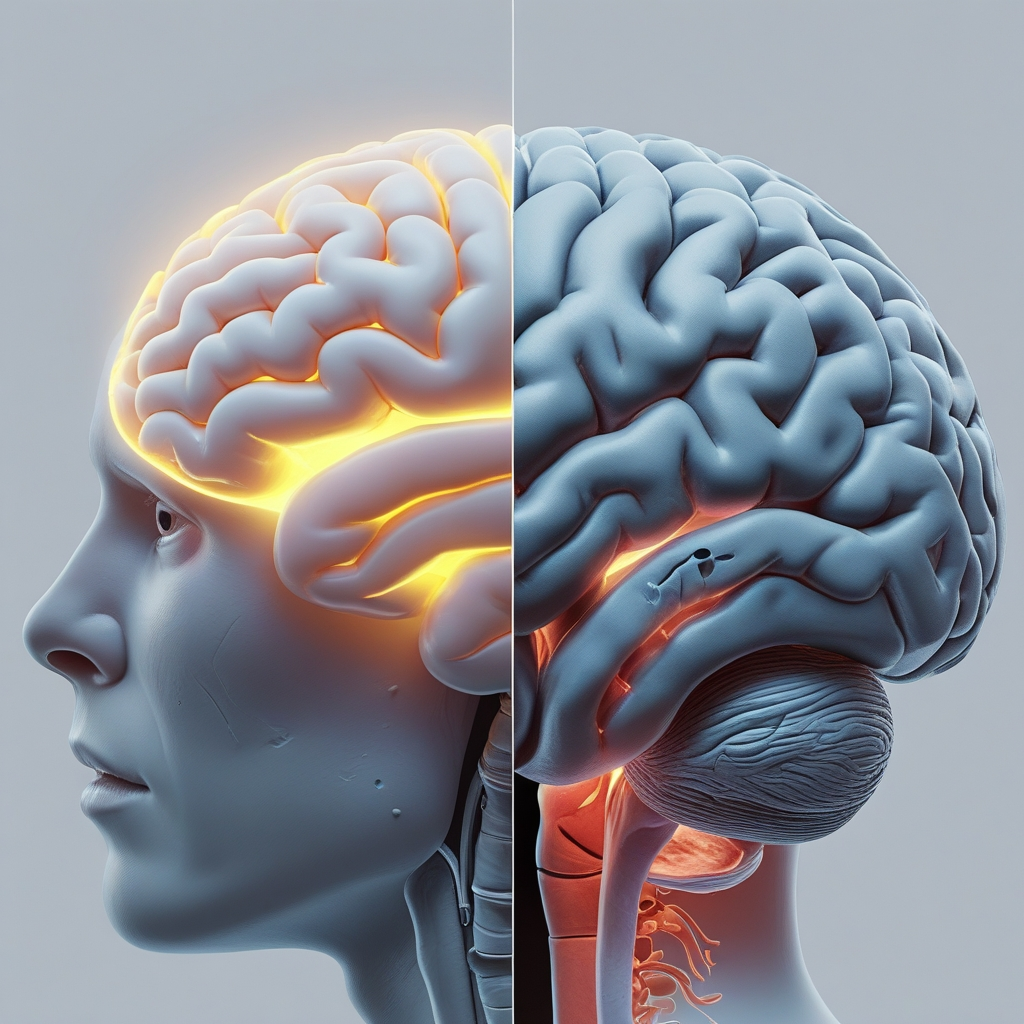
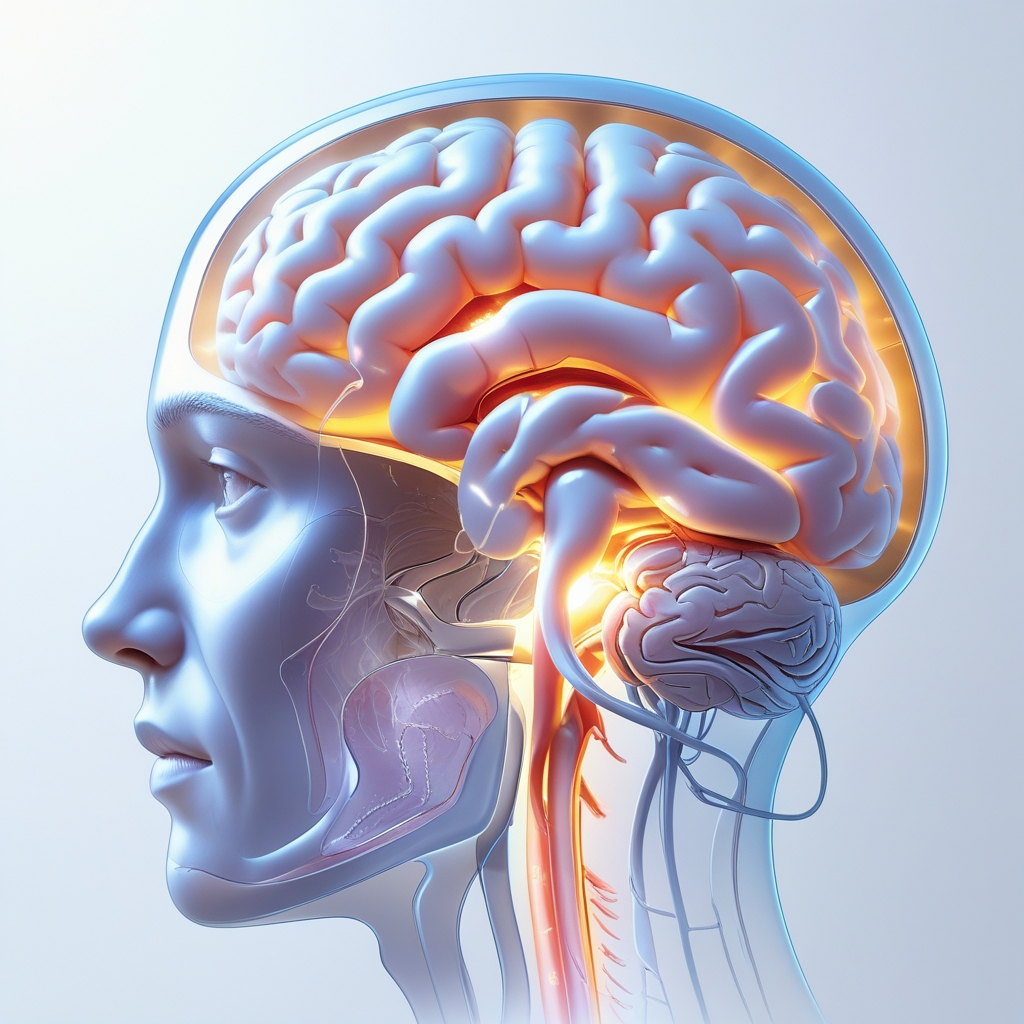
PTSD is not a weakness; it is the brain protecting itself by attempting to shield itself against additional damage. This knowledge of this disorder aids in the answer to a question, is PTSD a disability, both medically and socially.
Is PTSD Medically a Disability?
Medically, PTSD is, in fact, a known disability. It is a trauma- and stressor-related disorder that is found in the Diagnostic and Statistical Manual of Mental Disorders (DSM-5).

This categorization implies that PTSD impacts key mental functions in memory, concentration and emotion management. It also defines itself on the physical health by chronic responses of stress such as increased heart rate, insomnia or tiredness.
The medical consequences of PTSD are as these symptoms can strongly impair the everyday life of the patient, thus healthcare providers and healthcare institutions view PTSD as a disability that needs medical treatment and care.
Symptoms That Make PTSD Disabling
PTSD symptoms vary in intensity, but when severe, they interfere with every aspect of life — from relationships to career stability.
| Category | Common Symptoms |
| Intrusive Memories | Flashbacks, nightmares, distressing recollections |
| Avoidance | Staying away from people, places, or thoughts related to trauma |
| Negative Mood | Hopelessness, detachment, guilt, or lack of interest |
| Arousal Symptoms | Irritability, sleep problems, hypervigilance, exaggerated startle response |
When these symptoms persist for more than a month and impair daily functioning, clinicians diagnose PTSD. In such cases, PTSD qualifies as a disability, granting access to medical and social support.
Is PTSD a Disability Legally?
Legally, the question “is PTSD a disability” depends on the country and its specific laws. However, most modern disability laws recognize PTSD as a legitimate condition that qualifies for protections and accommodations.
| Region | Legal Framework | Recognizes PTSD as a Disability? | Examples of Benefits/Accommodations |
| United States | Americans with Disabilities Act (ADA), Social Security Administration (SSA), VA Disability Benefits | ✅ Yes | Workplace accommodations, therapy access, disability benefits |
| Canada | Canadian Human Rights Act, Veterans Affairs Canada | ✅ Yes | Mental health leave, financial assistance |
| United Kingdom | Equality Act 2010 | ✅ Yes | Job protection, reasonable adjustments |
| Australia | Disability Discrimination Act 1992 | ✅ Yes | Counseling support, workplace modifications |
Therefore, under most legal systems, PTSD is considered a disability, granting individuals certain rights and protections.
PTSD in the Workplace
People with PTSD can make work a difficult task. Performance or attendance may be influenced by triggers, concentration problems or anxiety. That is why it is important to learn the workplace rights.
Being provided with reasonable accommodations such as: under laws including the Americans with Disabilities Act (ADA), employees with PTSD are able to request reasonable accommodation, including:
- Flexible schedules
- Remote work options
- Reduced noise environments
- Breaks in mental health are facilitated.

It is a legal obligation of employers to make such adjustments unless such hardship would be undue. Thus, regarding the workplace, PTSD is categorized as a disability in the sense that it severely coordinates job duties.
Is it Possible to Revert to a normal life with a PTSD?

Yes — through treatment and care, a great number of people would recover and lead a good life. PTSD does not necessarily have to be here to stay but it is usually a long process which requires care and time to heal.
Treatment Options Include:
Psychotherapy:
- Cognitive behavioral Therapy (CBT) assists people to re-frame traumatic thoughts.
- Exposure Therapy enables confrontation of the memories due to the trauma in a safe way.
- EMDR (Eye Movement Desensitization and Reprocessing) eliminates emotional distress.
Medication:
- Antidepressant agents such as the SSRIs control mood and anxiety.
Support Systems:
- Emotional strength is enhanced by peer groups and family counseling.
Through professional intervention, a good number of individuals overcome their lives, restore their relationships, and go back to work or school. Therefore, despite the fact that PTSD is a disability, it can also be treated.
Three Stages of PTSD Recovery?
Popular recovery stages in PTSD are three in nature. These understandings can provide the answer to the question: is PTSD a disability in healing context.
Safety and Stabilization:
- People are concerned about the need to feel secure and restore the control over their body and surroundings.
Processing the Trauma:
- In these stages, the therapy enables the individuals to address and handle the painful memories without being overwhelmed.
Reconnection and Integration:
- This last stage is a promotion of re-connecting with other people and healing the trauma into a new life story.
These phases demonstrate that, despite being a disability, PTSD can be cured through growth, strength, and empowerment.
PTSD and Veterans
PTSD is common among veterans who have either experienced combat or suffered extreme traumatic experiences in the course of duty. As a matter of fact, one of the populations that are being subjected to disability compensation on PTSD is the veterans.

The benefits provided by the U.S. Department of Veterans Affairs (VA) on service-connected PTSD include:
- Monthly compensation disability.
- Free mental health services
- Vocational rehabilitation
- Education assistance
The VA rates disability between 0 percent and 100 percent based on the severity of disability due to PTSD. This awareness underscores the fact that PTSD is a disability, which should be given care and respect.
Social Impact: A Disability or a Struggle that remains hidden? PTSD.
PTSD is an invisible disability as well as a medical and legal definition. Individuals might look okay on the surface yet fight bitterly on the inside.
This invisibility may cause misunderstanding and stigma. The severity of PTSD is undermined by the society sometimes thus isolating the affected individuals or undermining them.
The acknowledgment of PTSD as a disability assists in endorsing experiences, minimizing stigma, promoting empathy. It also makes sure that the individuals are accommodated and have compassion instead of being judged.
Comorbid Conditions and Its Purpose.
PTSD is usually accompanied by other mental health issues and these issues may increase its impairing effects.
Other co-existing conditions:
- Depression
- Anxiety Disorders
- Substance Use Disorder
- Panic Disorder
These conditions can be relevant to the probability of PTSD being a disability because they multiply its effect on living.
Living With post traumatic stress disorder: coping and flourishing.
PTSD is a disability but it does not distinguish the worth or potential of an individual. There are numerous individuals with PTSD who learn to be incredibly emphatic, brave, and emotionally resilient during the recovery process.
- Coping with Dementia.
- Exercise a regular schedule.
- Grounding methods, e.g., deep breathing or mindfulness.
- Participate in creativeizing such as art, music, or journaling.
- Early professional assistance.
- Create effective social support.
Through sympathy, treatment and understanding, PTSD patients can have empowered and significant lives.
When Is PTSD Not Considered a Disability?
In other cases, the PTSD symptoms can be mild, controlled or even not in treatment since the treatment is effective. PTSD may not be legally considered a disability when the symptoms have ceased to be a big impediment to daily activities or work performance.
This does not however invalidate the experience though. It just implies that the condition is not at the present time within the legal or medical standard of what constitutes a disability.
Conclusion
- So, is PTSD a disability?
- Yes – PTSD is a disability medically and legally because it greatly affects the normal functioning. It influences emotional regulation, focus and general well-being of the mind.
- However, PTSD can be cured as well. With therapy, medication and support, many people are able to recuperate and live a normal life. Inclusion of PTSD as disability makes people gain compassion, resources, and rights they need.
- The acceptance of the existence of PTSD will lead to the transition to the society of healing, understanding, and inclusion.
Key Takeaways Table
| Aspect | Details |
| Condition | Post-Traumatic Stress Disorder (PTSD) |
| Medical Status | Recognized as a psychiatric disability |
| Legal Status | Protected under ADA, Equality Act, and similar laws |
| Symptoms | Flashbacks, avoidance, mood changes, hypervigilance |
| Treatment Options | Therapy, medication, and social support |
| Outlook | Manageable and often recoverable with treatment |
FAQs
1. Is PTSD a disability under the ADA?
Yes, the ADA recognizes PTSD as a disability when it limits major life activities like working or concentrating.
2. Can someone with PTSD work full-time?
Yes, many people with PTSD maintain successful careers, especially with workplace accommodations and therapy.
3. Is PTSD a permanent disability?
Not always. With effective treatment, symptoms can improve or even resolve over time.
4. What benefits can I get for PTSD?
You may qualify for disability compensation, medical treatment, and workplace adjustments depending on severity.
5. Can PTSD be cured completely?
While complete cure varies, most people experience significant improvement through professional treatment and ongoing support.