Overview
Obsessive-Compulsive Disorder (OCD) and Anxiety Disorders are usually confused by many people since they are both associated with excessive fears, intrusive thoughts and emotional disturbance. Nevertheless, although these conditions are similar to each other, they are sharply different in terms of the root cause, patterns of thought, and behavioral reactions in coping.
To see the complete picture of the OCD vs anxiety, it is necessary to consider the way the symptoms are manifested in each of the conditions, what drives them and how they are treated differently. Such a difference is crucial to those, who want to be mindful or have positive mental health.
Outlining OCD and Anxiety Disorders.
It is essential to know each of the conditions before getting into the depth of OCD vs anxiety.
What is OCD?
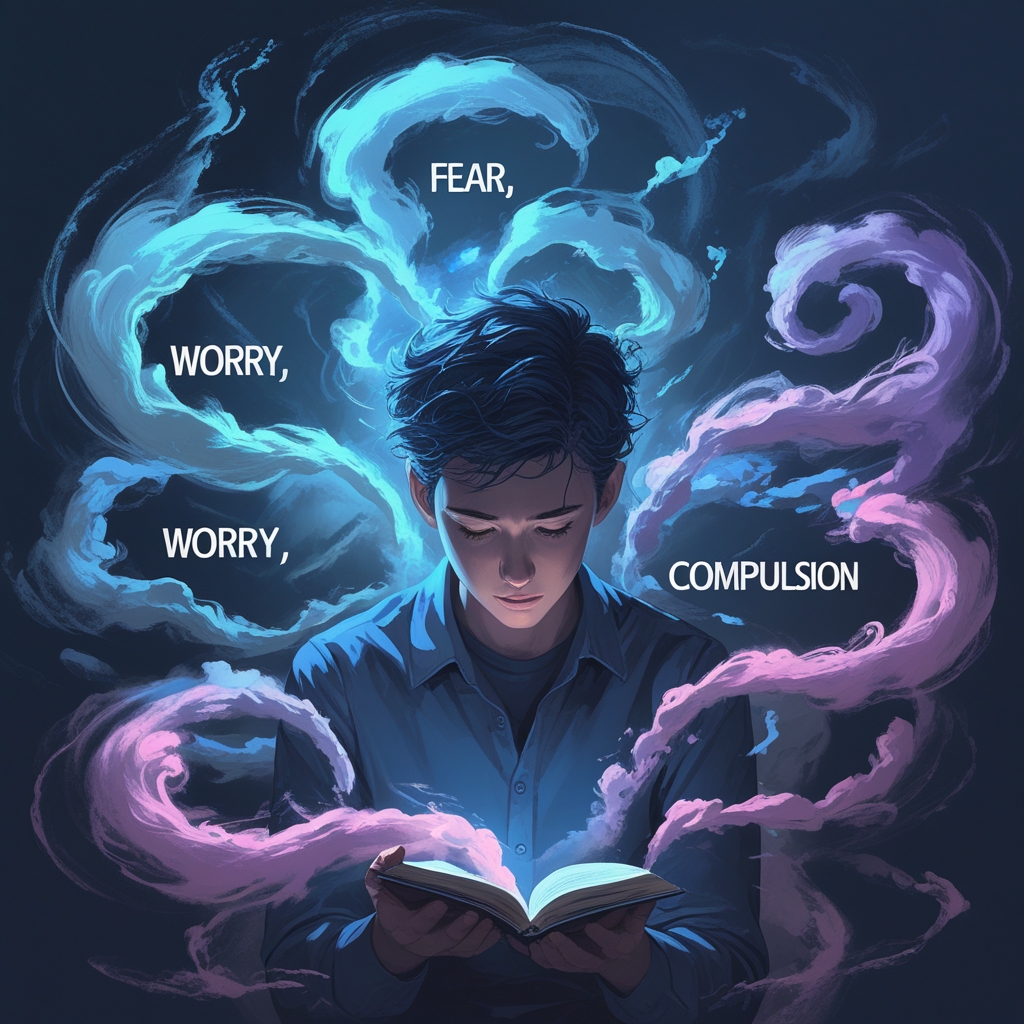
Obsessive-Compulsive Disorder (OCD) is a long-term mental illness characterized by obsessions (repetitive intrusive thoughts) and compulsions (ritualistic actions or behavior performed to alleviate anxiety).
As an illustration, an individual can be so obsessed with germs and might feel he/she should wash his/her hands many times even when they are aware that this is not necessary. The relief which they have is only temporary and the cycle repeats once more.
What is Anxiety?
The natural reaction of the body to stress or observed threat is the feeling of anxiety. Nevertheless, in anxiety disorders, like in Generalized Anxiety Disorder (GAD) or Panic Disorder, this reaction is long-lasting and over-the-top, and it impairs everyday functioning.
An anxious person may always be concerned about what might happen in future, relationships, or how he/she would perform without having to repeat some compulsions.
Thus, although both disorders are characterized by fear and distress, the shape and causes of these issues are different, which is the basis of the argument between OCD and anxiety.
OCD vs Anxiety: The Core Differences
Although OCD is technically classified as an anxiety-related disorder, it stands apart in how the brain processes fear and control. The table below summarizes the main distinctions:
| Feature | OCD (Obsessive-Compulsive Disorder) | Anxiety Disorders |
| Primary Focus | Intrusive, repetitive thoughts leading to compulsive behaviors | Excessive, ongoing worry about various real-life concerns |
| Behavioral Response | Rituals or compulsions performed to neutralize anxiety | Avoidance, reassurance seeking, or overthinking |
| Thought Pattern | “What if I don’t do this, something bad will happen?” | “What if something bad happens in the future?” |
| Control | Driven by a need for certainty and control over thoughts | Driven by fear of unpredictable events |
| Examples | Repeated handwashing, counting, checking, or arranging | Chronic worry, restlessness, muscle tension, panic attacks |
In summary, anxiety is a broad emotional state, whereas OCD is a specific disorder rooted in repetitive thought-behavior cycles.
How OCD and Anxiety Overlap
Even though they are not similar, the relationship between OCD and anxiety is more complicated since both disorders have overlap symptoms. As an example, the anxiety of the affected persons with OCD is a byproduct of the obsession.
In a similar way, individuals with Generalized Anxiety Disorder (GAD) might gain parallels of loop repetitious think patterns that are similar to OCD patterns. The important distinction is however in motivation. Individuals with OCD will do rituals to counter the anxiety whereas the people with an anxiety disorder prefer to avoid triggers entirely.
Thus, anxiety drives OCD though not necessarily to compulsive behavior.
Reasons and Predisposing Factors: OCD vs Anxiety.
OCD as well as anxiety has genetic, environmental and neurological aspects. The type of interaction between these factors however varies across the two.
1. Genetics
Both conditions are more likely to be familial. However, there are certain genes that have been identified with OCD and which are related more to serotonin regulation.
2. Brain Chemistry
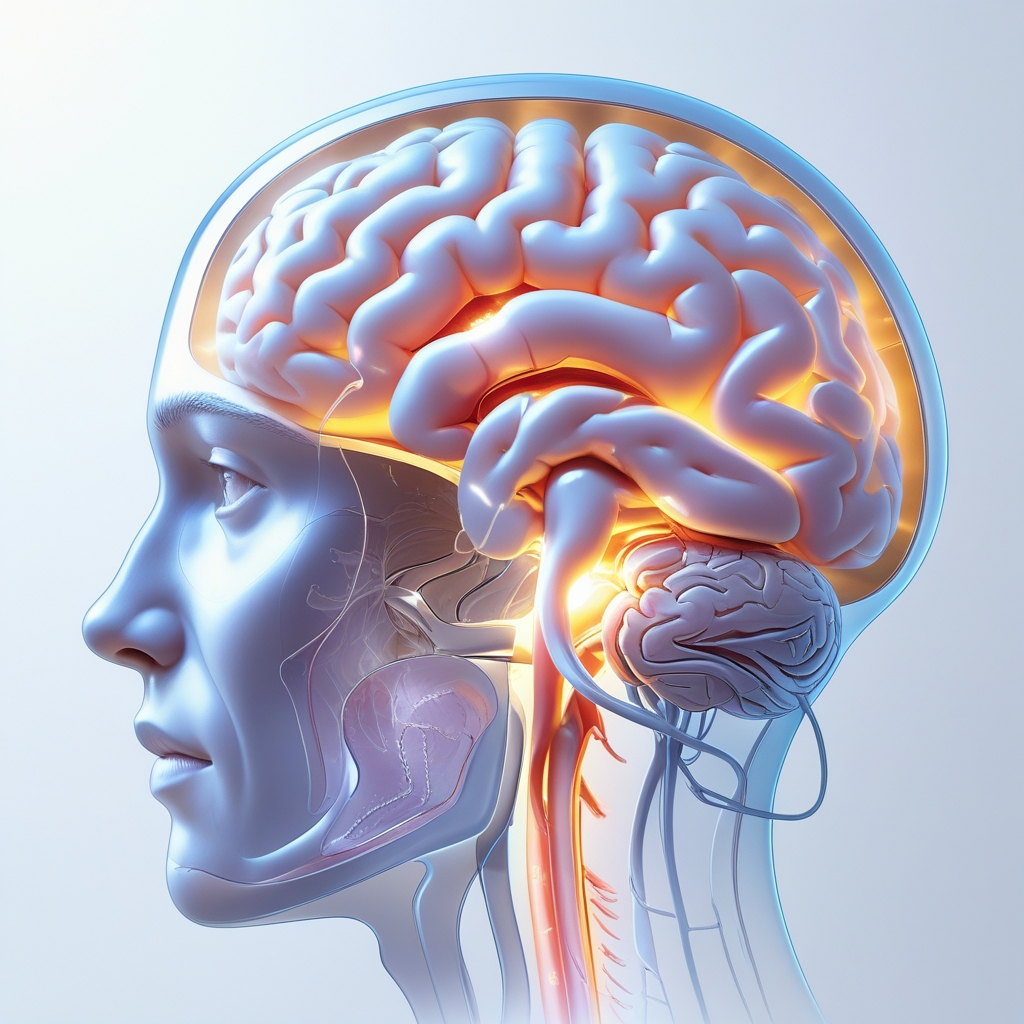
OCD is associated with an overactivity of the orbitofrontal cortex and anterior cingulate cortex of the brain which are areas that determine the decision and detect errors. On the contrary, anxiety disorders are associated with disorganization of the amygdala, the fear center within the brain.
3. Environmental Triggers
The two disorders may be triggered by trauma, chronic stress or drastic life changes. Nonetheless, OCD begins to grow after a considerable duration of mental distress or an occurrence that involves some demand to be controlled.
4. Personality Traits
OCD is characterized by perfectionism, high sensitivity, and the need of certainty and less anxiety is related to generalized fear and worry.
Therefore, the knowledge of these causes would assist clinicians in distinguishing OCD vs anxiety and formulate more effective treatment plans.
Symptoms Comparison OCD vs Anxiety.
Although the two disorders may be associated with lack of rest, irritation, and excess worry, the pattern of symptoms is vastly different.
OCD Symptoms
- Compulsive actions (checking, counting, cleaning).
- Compulsive, unresting thoughts.
- Concern over being contaminated, harmed, or running out of control.
- Relief on temporary basis after rituals.
- Knowledge that fears are unreasonable but uncontrollable.
Anxiety Symptoms
Never ending concern with various things.
- Physical symptoms (rapid heart, disorders, sweating, dizziness)
- Muscle tension or fatigue
- Sleep disturbances
- Prevention of stressful conditions.
Overall, OCD is focused on intrusive thoughts and rituals whereas anxiety is focused on general emotional discomfort and fear of danger.
Diagnosis: The OCD vs Anxiety.
It takes a qualified mental health practitioner to diagnose them. The two seem to be the same thing but they differ greatly in terms of their diagnostic criteria.
- OCD Diagnosis: According to the presence of obsessions and compulsions, which take over an hour a day and disrupt functioning.
- Anxiety Diagnosis: According to persistent worry and excessive worry six months or more, about relationships, in work or in health.
Thus, it is essential to diagnose properly. Applying OCD, or the reverse, to anxiety may postpone recovery.
Therapeutic interventions of OCD vs Anxiety.
Therapy of OCD and anxiety coincide in certain aspects and differ in others especially concerning behavioral therapies.

1. Cognitive Behavior Therapy (CBT).
CBT enables the individual to define and confront distorted thought patterns in anxiety and in OCD.
2. Exposure and Response Prevention (ERP)
The ERP is a specialized type of CBT used in OCD. It subjects the patients to trigger without giving them the opportunity to engage in compulsions.
3. Medication
Selective Serotonin Reuptake Inhibitors (SSRI) are responsive to both conditions. Nevertheless, dosage and time can be considered depending on the severity of symptoms.
4. Mindfulness and Relaxation Strategies.
Mindfulness, deep breathing and grounding exercises lower the general anxiety levels and enhance emotional control in both disorders.
Therefore, even though interventions can be similar, OCD should have more specific exposure interventions, and anxiety therapy should aim at decreasing general anxiety and physiological anxiety.
Is it possible to have both OCD and Anxiety?
Yes, one can feel both states at the same time. As a matter of fact, an anxiety disorder is also experienced by many individuals with OCD. This overlapping is referred to as comorbidity and it can intensify and complicate symptoms.
Indicatively, a person may develop obsessive thoughts of contamination (OCD) and general anxiety of health, work or finances (GAD). Thus, the combination of cognitive and emotional symptoms treatment is essential.
Living with OCD or Anxiety
To live with either of the conditions, one needs patience, awareness, and regular care. Luckily, therapy, medication, and lifestyle change prove effective in most cases, and the individuals are able to regain the control and have their lives become better.
Management tips between OCD and anxiety include:
- Meditating on a daily basis.
- Restricting caffeine and alcohol.
- Creating a solid support system.
- Seeking therapy early
- Being kind to oneself instead of harsh.

Finally, it is important to know the distinction between OCD and anxiety to make people react using appropriate measures rather than being confused or fearful.
Anxiety vs OCD: Which is a more serious one?
Some people might argue that one of them is more serious than the other as it is a matter of experience. Nonetheless, OCD tends to be more disruptive to the normal functioning due to the fact that compulsions are time and energy consuming.
Conversely, anxiety disorders may cause physical exhaustion and chronic stress when they are not treated. Thereby, they all need professional care and understanding.
Conclusion
Conclusively, the OCD vs anxiety discussion shows that both disorders have some common ground in the nature of their fear and overthinking but differ in the nature of the expression of the fear. OCD is characterized by intrusive thoughts and compulsive behaviors to neutralize anxiety, whereas anxiety disorders are characterized by excessive and general worry about events in life.
Thus proper diagnosis, awareness and early intervention are essential. The two disorders can be treated through therapy, medication, and social support. Knowing OCD vs anxiety, people will not be afraid to seek help and will take one step further to a more stable and tranquil existence.
FAQs About OCD vs Anxiety
1. Is OCD a type of anxiety disorder?
Yes, OCD is classified as an anxiety-related disorder, though it has unique features like obsessions and compulsions.
2. Can anxiety turn into OCD?
Anxiety alone doesn’t cause OCD, but chronic stress and worry can contribute to its development in susceptible individuals.
3. Are OCD and anxiety treated the same way?
They share treatment methods like CBT and SSRIs, but OCD requires specialized exposure therapy (ERP).
4. How can I tell if I have OCD or anxiety?
If you engage in repetitive rituals to ease fear, it may indicate OCD. If your worry is constant but not ritualistic, it’s likely anxiety.
5. Can someone recover from both OCD and anxiety?
Yes, with consistent therapy, medication, and support, individuals can manage both conditions effectively.