Introduction
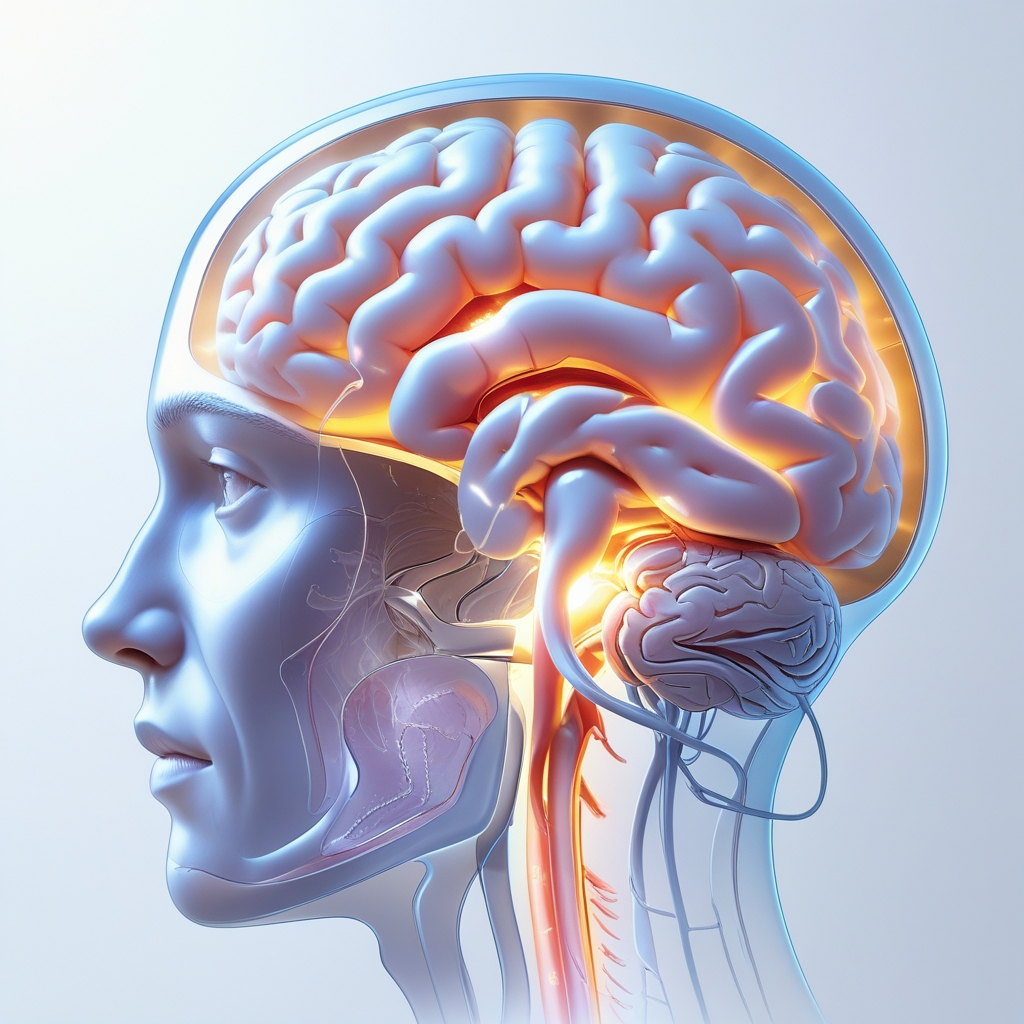
Depression affects millions of people, yet the majority of them are able to respond positively to therapeutic treatment, medication, or changes in lifestyle. There are however a few patients who are still having severe symptoms even after taking various therapies. This is referred to as refractory depression and it is one of the hardest mood disorders to deal with. Since it entails resistance to treatment, people are usually caught in a tricky situation, desperate, and ignored.
In this article, you will be introduced to what is special about refractory depression, how it is diagnosed by physicians, what factors make it hard to be treated, and what modern therapies are finally able to help relieve the situation. You will also get to know about new medical discoveries, lifestyle change and supportive therapies targeting individuals with refractory depression.
What Is Refractory Depression?

Refractory depression is also referred to as treatment-resistant depression when one fails to respond to at least two sufficient antidepressant trials. These trials should entail the correct dosage, length and medical supervision. Most of the time, when the symptoms do not resolve or the relapse is rapid, the condition is considered to be refractory depression.
Refractory depression is more likely to occur in contrast to mild or moderate depression:
- Last longer
- Rebel against conventional drugs.
- Cripples normal functioning.
- Bring about intense emotional and physical fatigue.
- Needs more special intervention.
Due to its intractable nature, refractory depression has a huge effect on relationships, productivity, and general wellbeing.
Who Diagnoses Refractory Depression?
A practitioner in mental health diagnoses refractory depression following an evaluation of:
- Treatment history
- Medication response
- Therapy participation
- Incidences and intensity of episodes.
- Lifestyle factors
- Coexisting conditions
The diagnosis is usually done by clinical psychiatrists, with the input of psychologists and therapists in the analysis. After doctors have established that the condition is refractory depression, they change the treatment methods to incorporate sophisticated or alternative therapy.
Why occurs Refractory Depression?
There are various causes of refractory depression and knowledge of these causes assists the clinician in designing treatment in a better way.

1. Biological Factors
Antidepressants do not affect everybody in the same way that reduces effectiveness. There are also major roles of genetic variation in brain chemistry, neurotransmitter regulation, and hormonal systems.
2. Cohoring Mental Health Conditions.
The presence of such conditions as bipolar disorder, PTSD, OCD, ADHD, and anxiety disorders usually complicates the usual treatment of depression.
3. Medical Causes
Refractory depression can be caused by disorders like chronic pain, thyroid disorders and neurological disorders, which cannot overcome with time.
4. Lifestyle and Stress
The treatment resistance can be fueled by high stress, insomnia, substance use, and unresolved traumas.
5. Incorrect Diagnosis
In other cases, the appearance of depression can be:
- Bipolar depression
- Personality disorders
- Complex trauma
- Hormonal imbalance
Thus, false diagnosis may produce chronic symptoms similar to refractory depression.
Refractory Depression Symptoms.
Refractory depression has much in common with major depressive disorder, however; the symptoms tend to manifest:
- More intense
- Longer-lasting
- More resistant to coping mechanisms.
- More discontinuous to the day-to-day operation.
- Common symptoms include:
- Uncontrolled depressive disorder or lack of emotion.
- Loss of interest in everyday activity.
- Severe fatigue
- Cognitive dysfunction
- Increased irritability
- Sleep disturbances
- Slow physical movement
- Feeling alienated or desperate.
- Thoughts of self-harm
Due to the persistence of the refractory depression, the symptoms of the same tend to be uncontrollable at the early stages without high-level intervention.
The assessment of Refractory Depression by Doctors.
To rule out the diagnosis, physicians examine:
- Medication history
- Dosage
- Duration
- Consistency
- Side effects
- Therapy history
- CBT
- DBT
- EMDR
- Exposure therapy
- Lifestyle factors
- Sleep patterns
- Stress exposure
- Substance use
- Underlying medical issues
- Hormones
- Nutritional deficiencies
- Chronic pain
Upon acquiring data, clinicians either declare the depression as treatment-resistant or misdiagnosed, so that they can make the appropriate therapeutic choice.
Refractory Major Depression Advanced Treatment.

Despite the overwhelming nature of refractory depression, there are a number of potent treatments that can assist patients to gain meaningful recovery. Medical practitioners tend to use these treatments together to achieve the best effect.
1. Medication Adjustments
In case of failure of regular antidepressants, psychiatrists can prescribe:
- SNRIs
- MAOIs
- Atypical antidepressants
- Mood stabilizers
- Antipsychotics as adjuncts
In some cases, patients only react when there is a change in medication classes or combination of agents.
2. Ketamine Therapy + Esketamine (Spravato).
Ketamine is a quick acting drug that is directed towards glutamate receptors as opposed to serotonin. Refractory patients of depression respond dramatically after several hours or days.
The same medical supervision is beneficial to esketamine, which is a nasal spray approved by the FDA.
3. Electroconvulsive Therapy (ECT)
ECT is considered to be one of the most effective remedies in case of severe refractory depression, particularly when suicidal thoughts develop into extreme levels. The current ECT is safe, regulated and much more sophisticated than that which was practiced in the past.
4. Transcranial Magnetic Stimulation (TMS)
TMS involves the application of magnetic pulses to the brain areas that are related to mood control. It is not invasive and it has been found to be very effective in cases of refractory depression as it occurs when drugs have not helped.
5. Vagus Nerve Stimulation (VNS)
This surgery implant transmits electrical impulses to the brain via the vagus nerve. VNS provides chronic refractory depression relief in the form of long-term relief although not common.
6. Resistant Cases Psychiatric Therapy.
Special treatment assists individuals to digest intense emotional hurts, trauma, or mental habits that propagate depression.
Best therapies include:
- Cognitive Behavior Therapy (CBT)
- Dialectical Behavior Therapy (DMBT)
- Trauma-informed therapy
- EMDR
- Acceptance and commitment therapy (ACT).
Psychotherapy is an important component in the treatment, especially where biological treatments are the focus of the treatment.
7. Lifestyle Interventions
Organized lifestyle changes are very beneficial to patients with refractory depression.
- Consistent sleep routine
- Low-inflammatory diet
- Regular exercise
- Sunlight exposure
- Minimizing alcohol and caffeine.
- Practices in stress management.
- Social engagement
As much as lifestyle changes do not cure refractory depression on its own, it enhances treatment effect.
Refractory Depression vs Regular Depression
| Regular Depression | Refractory Depression |
| Responds to first or second treatment | Does not improve after multiple treatments |
| Milder episodes | Severe and persistent episodes |
| Symptoms often predictable | Symptoms unpredictable and long-lasting |
| Standard therapy effective | Requires advanced interventions |
| Responds to lifestyle changes | Minimal improvement with lifestyle changes alone |
This comparison shows why refractory depression requires specialized care and multiple treatment layers.
Living With Refractory Depression
Individuals often feel misunderstood because their symptoms persist despite sincere treatment attempts. However, with the right support, recovery still happens.

Essential strategies include:
- Build a strong support system
- Communicate openly with your treatment team
- Track symptoms in a journal
- Avoid isolating during depressive episodes
- Maintain therapy even during improvement
- Celebrate small progress milestones
Although refractory depression challenges every aspect of life, people do recover through persistence, the right medical approach, and consistent support.
Frequently Asked Questions
1. What is refractory depression?
Refractory depression is a form of depression that does not respond to at least two properly administered treatments.
2. Why doesn’t my depression improve with medication?
Each person’s biology differs, and many factors—genetics, trauma, lifestyle, or misdiagnosis—may prevent improvement.
3. Is refractory depression curable?
While not always curable, it is treatable with advanced therapies such as TMS, ketamine, or ECT.
4. How common is depression?
Approximately 20–30% of people with major depression experience treatment resistance.
5. What is the most effective treatment for refractory depression?
TMS, ketamine therapy, and ECT show the highest success rates when traditional treatments fail.