Intro
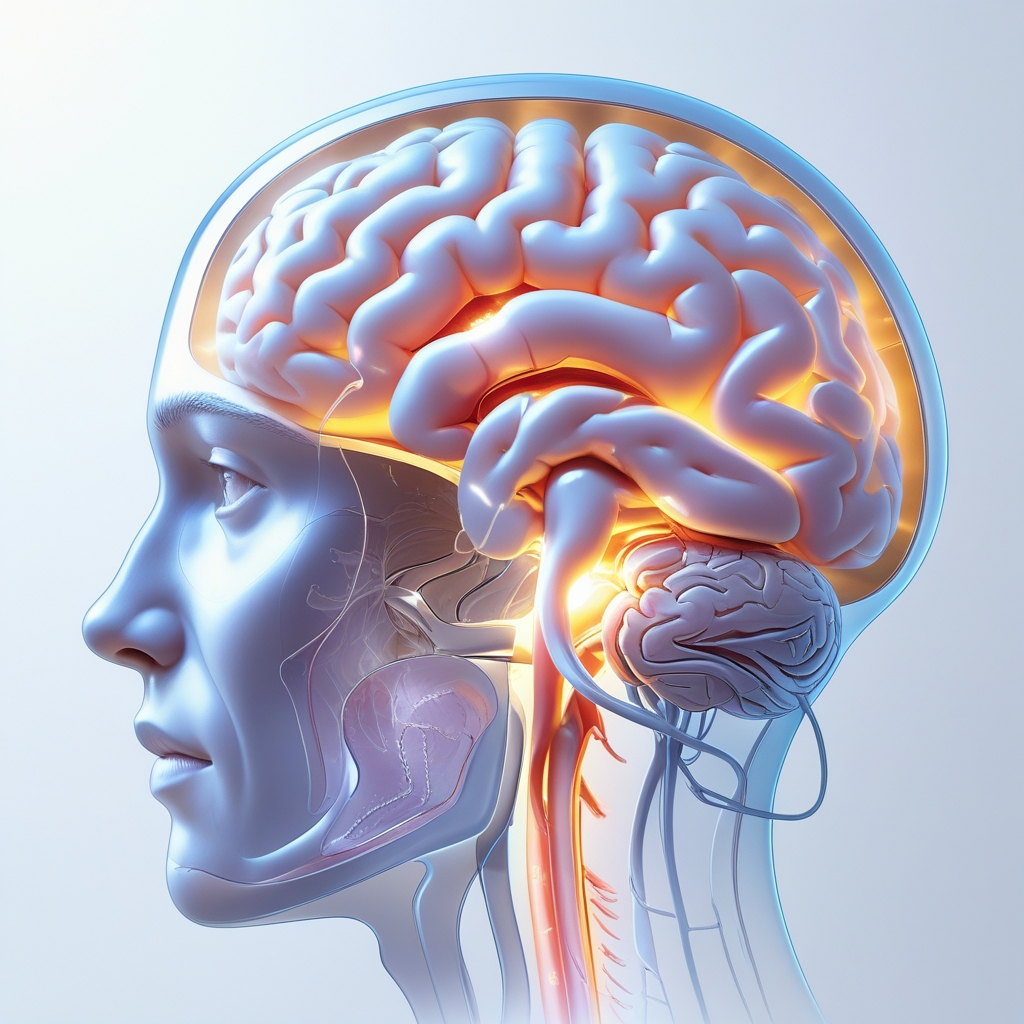
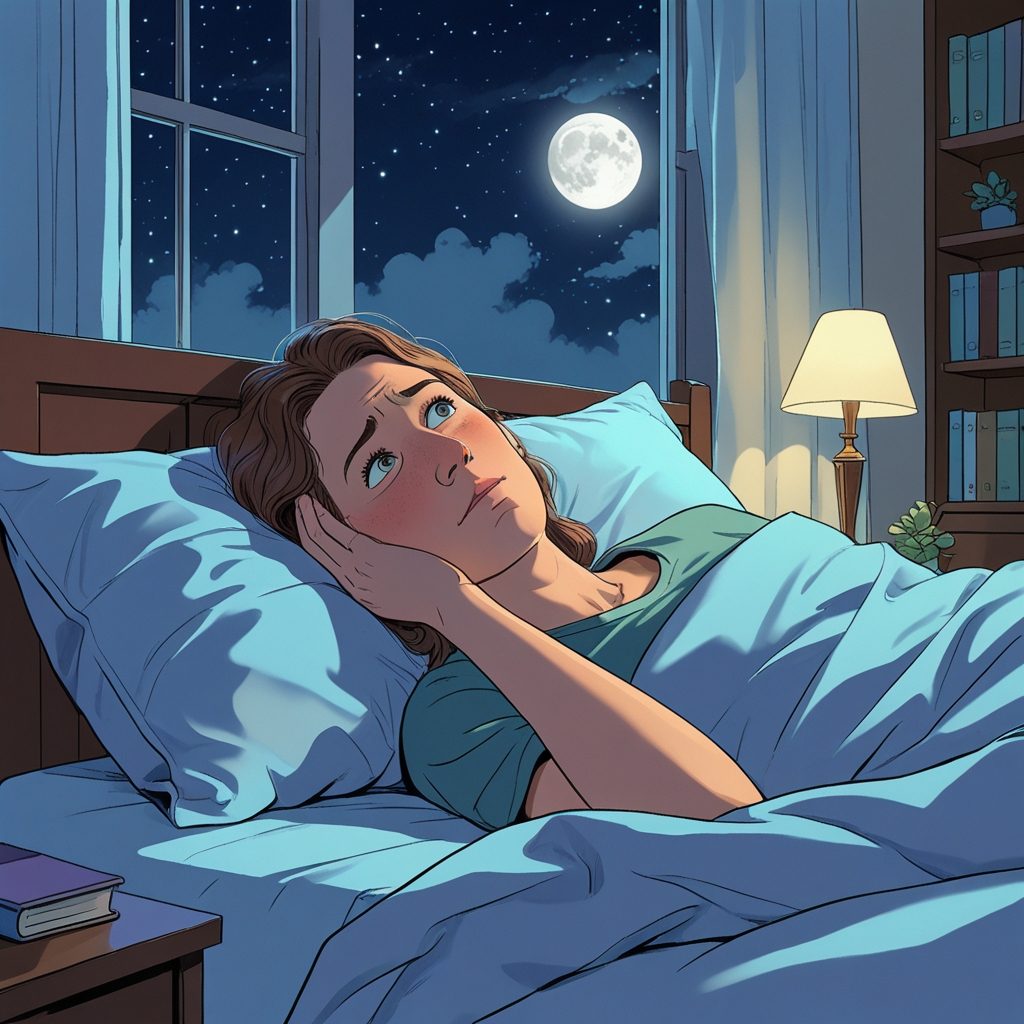
Millions of people are subject to sleep anxiety. Numerous people develop a lot of worry or fear before going to sleep and as a result; they are unable to sleep or even remain asleep. The trend eventually forms a vicious cycle, in that anxiety leads to bad sleep and vice versa. Consequently, individuals become mentally drained, emotionally exhausted and physically tired.
This paper describes sleep anxiety in detail. You will get to know the nature of sleep anxiety, what causes it, how it has an impact on mental health, and what evidence-based techniques are more effective to cope with it. Additionally, this guide is dedicated to psychological clarity and effective solutions as opposed to abstract recommendations.
What Is Sleep Anxiety?

Sleep anxiety is an excessive worry, fear or nervousness concerning sleep or going to bed. Patients tend to be afraid of inability to fall asleep, night awakening, or day fatigue. As such, their body will demand rest but their mind will be on the alert.
Sleep anxiety unlike ordinary bedtime stress is constant and disturbs sleep patterns. It is usually overlap with anxiety disorders, insomnia, or stress related problems.
How Sleep Anxiety Develops
It typically occurs in a gradual manner. First, an individual undergoes a couple of nights of low sleep as a result of stress, illness or change of lifestyle. After that, they start being concerned with sleep itself. This concern heightens the level of arousal and this further complicates sleep.
The brain begins to relate the bed to stress rather than relaxation after some time. Consequently, bedtime is more of a cause of anxiety than a period of rest.
Ordinary Causes
Sleep anxiety is caused by a number of psychological and physiological aspects. These causes can be understood to assist individuals in breaking this cycle better.
Psychological Causes
- Generalized anxiety disorder (GAD)
- Panic disorder
- Health anxiety
- Overthinking and perfectionism.
- Fear of losing control
Lifestyle and Environmental Causes.
Most of the time spending too much time in front of the screen before going to sleep.
- Caffeine or stimulant use
- Irregular sleep schedules
- High-pressure work routines
- Medical/Mental health Conditions.
- Chronic insomnia
- Depression
- PTSD
- Hormonal imbalances
In many cases, a combination of these factors causes sleep anxiety, but not one of them.
Symptoms
Sleep anxiety is a psychological issue in the mind. The symptoms usually become worse at night particularly when a person attempts to rest.
Mental Symptoms
- Racing thoughts at bedtime
- Fear of not sleeping
- Plan ahead anxiety on the following day.
- Difficulty calming the mind
Physical Symptoms
- Rapid heartbeat
- Muscle tension
- Shortness of breath
- Restlessness
Behavioral Symptoms
- Avoiding bedtime
- Excessive clock-watching
- Over-reliance on sleep aids
- Irregular sleep routines
Since the symptoms are self-perpetuating, sleep anxiety can be self-perpetuating.
Sleep Anxiety vs Insomnia: Key Differences
Many people confuse sleep anxiety with insomnia. Although they overlap, they are not the same condition.

| Feature | Sleep Anxiety | Insomnia |
| Primary issue | Fear or worry about sleep | Difficulty sleeping |
| Root cause | Anxiety-related | Medical or psychological |
| Mental state | Hyperarousal | Fatigue and frustration |
| Treatment focus | Anxiety reduction | Sleep regulation |
Sleep anxiety often causes insomnia, but insomnia does not always involve anxiety.
How Sleep Anxiety Affects Mental Health
It puts mental health in a lasting strain. Persistent lack of sleep undermines emotional control, makes people more irritable and less effective in their cognitive functions. Consequently, there is increased anxiety symptoms in the daytime.
In addition, sleep deprivation also raises the probability of depression, panic attacks and burn-out. In the long run, people can develop avoidance behaviors caused by fear and this emotions further strengthens anxiety.
The explanation of the Anxiety-Sleep Cycle.
Sleep anxiety is a vicious cycle:
- A person worries about sleep
- The anxiety elevates mental arousal.
- Sleep becomes difficult
- Daytime anxiety is augmented by fatigue.
- Bedtime fear intensifies
To end this cycle, it is necessary to focus on the anxiety and sleep at the same time.
Diagnosis
Mental health workers do not rely on sleep tests, but they use clinical interviews in diagnosing. They determine sleep thought patterns, emotional reactions, and sleep behavioral patterns.
Assessment methods that are used generally:
- Anxiety questionnaires
- Sleep diaries
- Clinical history assessment.
- Physicians can also exclude medical conditions like sleep apnea or thyroid.
Treatments
Therapy is aimed at encouraging the nervous system and reconditioning the brain to think about sleep as a form of safety.
Cognitive Behavioral Therapy(CBT-I).
CBT-I is the best treatment. This therapy is aimed at negative sleeping thoughts and behavior.
CBT-I helps patients:

- Question devastating thinking.
- Reduce sleep-related fear
- Establish healthy sleep habits.
- Improve sleep confidence
Studies have always demonstrated that CBT-I enhances anxiety and quality of sleep.
Meditation Techniques
The relaxation methods reduce the physiological arousal levels before sleep. They also aid in retraining the stress response of the body when exercised regularly.
Efficient methods are:
- Deep breathing exercises
- Gradual relaxation of the muscles.
- Guided imagery
- Mindfulness meditation
The techniques are most effective when they are used daily as opposed to the time when a person is experiencing anxiety spikes.
Home-based Interventions
When used regularly, lifestyle changes play a major role in decreasing the level of anxiety.
- Healthy Sleep Habits
- Be consistent with sleeping and wakefulness.
- Avoid naps late in the day
- Use the bed only for sleep
- Environmental Adjustments
- Keep the bedroom noise and cool.
- Less exposure to noise and light.
- Remove electronic devices

Minor modifications are likely to generate long-run solutions.
Medications for Sleep Anxiety: Pros and Cons
Doctors may prescribe medication in severe cases. However, medication alone rarely resolves This.
| Medication Type | Benefit | Limitation |
| Anti-anxiety meds | Fast relief | Dependency risk |
| Sleep aids | Temporary sleep | Tolerance develops |
| Antidepressants | Long-term stability | Delayed effect |
Medication works best when combined with therapy.
Sleep Anxiety in Children and Teenagers
It affects children and teens differently. Common triggers include school stress, separation anxiety, and excessive screen exposure. Children may resist bedtime or seek reassurance repeatedly.
Parents can help by:
- Creating calming bedtime routines
- Avoiding overstimulation
- Offering reassurance without reinforcing fear
Early intervention prevents long-term sleep problems.
When to Seek Professional Help
People should seek professional help if sleep anxiety:
- Persists longer than three months
- Interferes with daily functioning
- Causes panic attacks or depression
Early treatment improves outcomes and prevents chronic insomnia.
Long-Term Outlook
The prognosis for sleep anxiety remains positive with proper treatment. Most people regain healthy sleep patterns through therapy, habit changes, and anxiety management. Importantly, sleep anxiety does not mean permanent sleep loss.
Consistency and patience drive recovery.
Frequently Asked Questions (FAQs)
1. Can sleep anxiety go away on its own?
Sleep anxiety may improve, but most people recover faster with structured treatment like CBT-I.
2. Is sleep anxiety a mental disorder?
It itself is not a formal diagnosis, but it commonly occurs with anxiety disorders or insomnia.
3. Does sleep anxiety cause panic attacks?
Yes. It can trigger nighttime panic attacks in some individuals.
4. Can lack of sleep worsen anxiety?
Yes. Sleep deprivation directly increases anxiety levels and emotional instability.
5. What is the fastest way to calm sleep anxiety?
Deep breathing, thought reframing, and consistent sleep routines provide the fastest relief.