Intro
Sleep is regarded as one of the most important needs of humans, along with food and water. The results of not resting the brain can be critical when over a very long period of time. Sleep deprivation psychosis, a momentary but extremely disturbing mental experience of reality blurring and mind starting to forget what is real is one of the most disturbing consequences.
In this paper, we would discuss the definition of sleep deprivation psychosis, causes, symptoms and stages. We will also respond to such important questions as what are the three stages of psychosis and can a person with psychosis return to normal.
Understanding Sleep Deprivation Psychosis
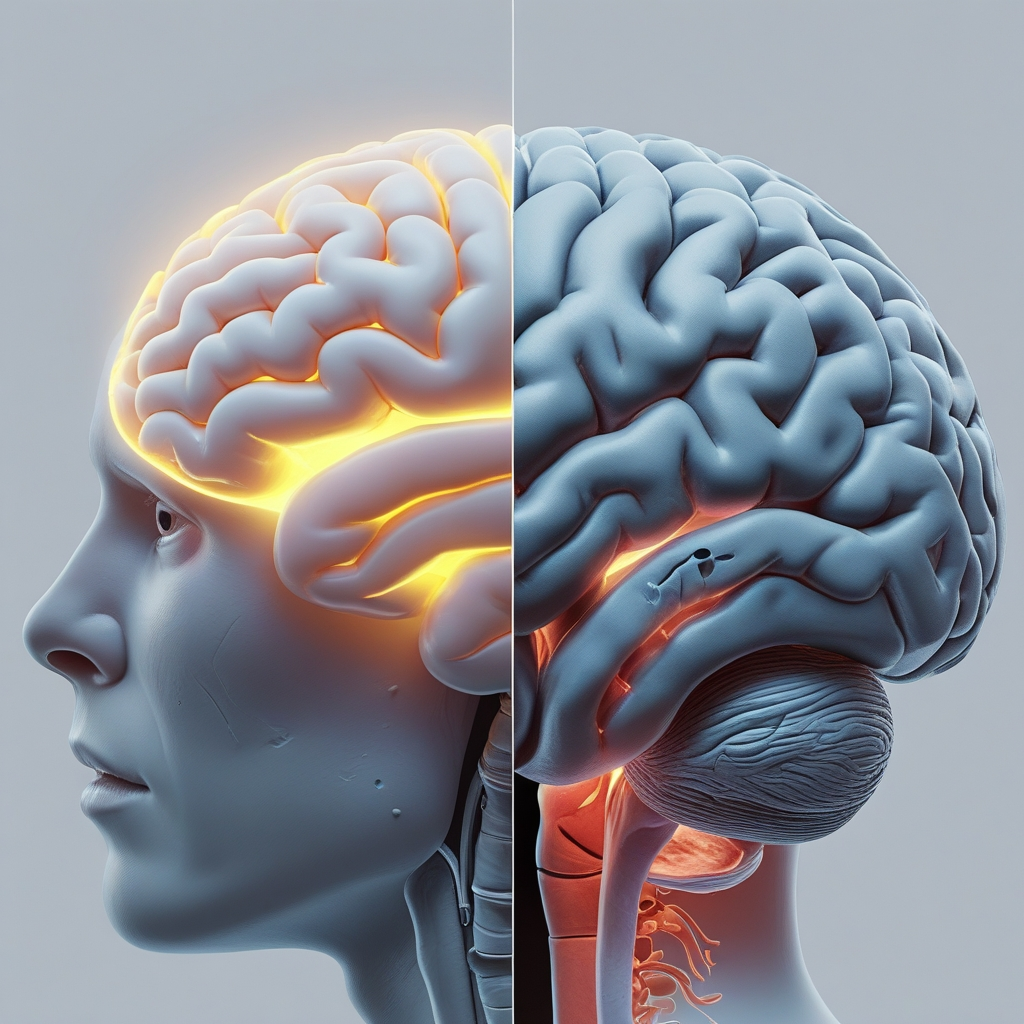
Sleep deprivation psychosis is a psychotic disorder that is caused by severe sleep deprivation that causes cognitive and emotional instability. The brain fails to tell the difference between dreams and reality after a long period of sleeplessness that is typically 72 hours or above.
This is not a permanent insanity state of the individual. Instead, it demonstrates the importance of sleep to the functioning of the brain. Neurons malfunction, hormones imbalance, and neurotransmitters out of balance without a rest. At some point, the brain begins to make incorrect perceptions and results into hallucinations, paranoia and to have disordered thinking.
How Sleep Deprivation Leads to Psychosis
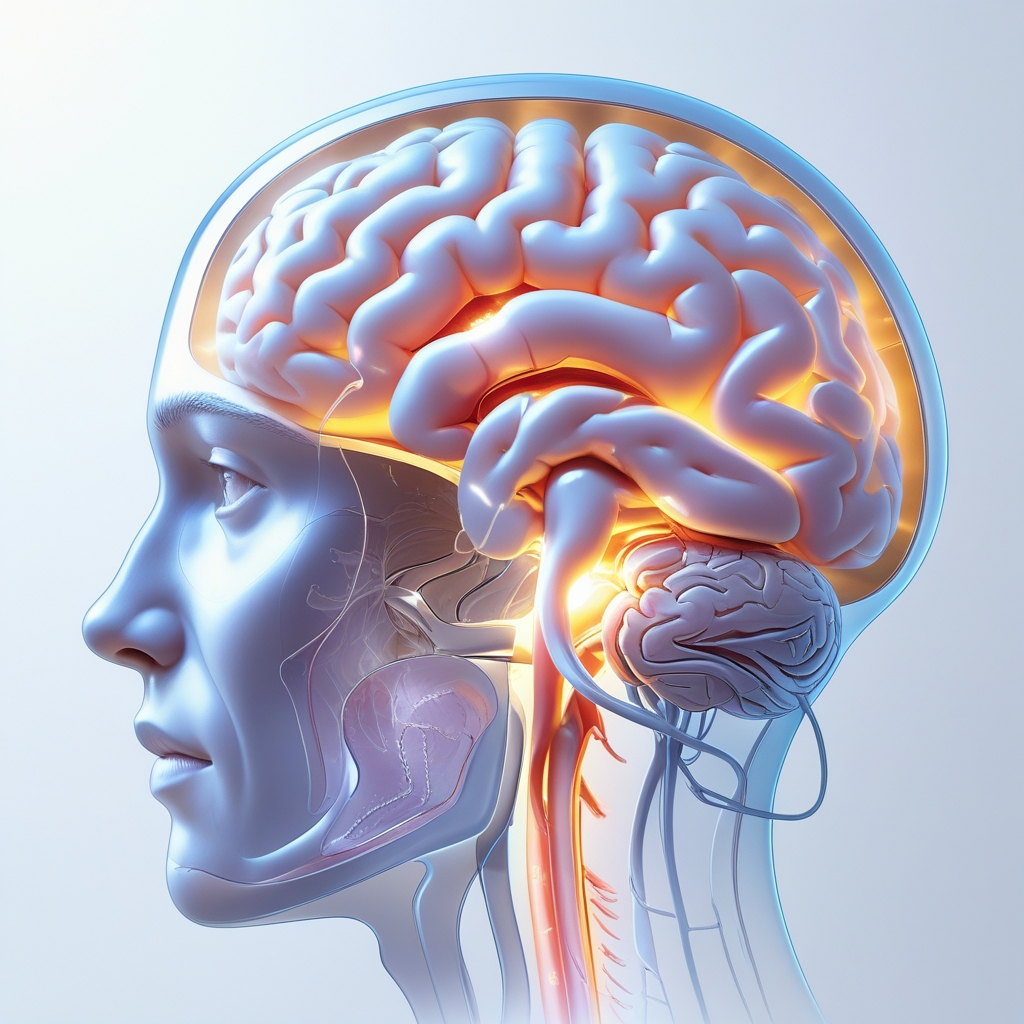
Sleep is necessary to the human brain to consolidate memories, process emotions and to restore energy. The brain cleanses itself in sleep, particularly deep and REM sleep and renews critical brain pathways. These functions fail when one is frequently interrupted or denied sleep.
Due to aging the neurotransmitters such as dopamine and serotonin become uncontrolled. This imbalance is capable of replicating the brain activities of psychotic conditions like schizophrenia. Thus, sleep deprivation psychosis is not a mental disorder per se, it is a short-term psychotic response to exhaustion.
Early Signs and Symptoms of Sleep Deprivation Psychosis
The progression of sleep deprivation psychosis is gradual. Initially, the person only feels tired, irritable, or unfocused. However, as sleeplessness continues, the symptoms intensify dramatically.
Below is a table outlining the common stages and corresponding symptoms:
| Duration Without Sleep | Cognitive and Emotional Symptoms | Perceptual and Physical Symptoms |
| 24 Hours | Reduced concentration, mood swings, fatigue | Eye strain, headaches, slower reaction time |
| 48 Hours | Confusion, memory lapses, impulsivity | Tremors, blurred vision, speech difficulty |
| 72 Hours or More | Disorganized thoughts, paranoia, emotional detachment | Visual or auditory hallucinations, delusions, sense of unreality |
When sleep loss continues beyond three days, hallucinations often appear. The person may hear voices, see shapes or people who aren’t there, or feel bugs crawling on their skin. This stage marks the onset of sleep deprivation psychosis, where the line between dream and reality vanishes.
The Three Phases of Psychosis
Psychosis does not occur immediately. Rather, it goes through three major stages. The knowledge of these phases allows detection and intervention of the situation before the situation deteriorates.

1. Prodromal Phase (Early Warning Phase)
The first stage of the disease is the prodromal phase during which some delicate changes begin to manifest. The individual can have anxiety, irritability, or emotional instability. They can start losing interest in social life or become unmotivated in their daily activities.
In the psychosis of sleep deprivation, this phase typically occurs one to two nights without taking proper sleep. The brain starts to fail a bit, causing emotional inability and cognitive incomprehension.
2. Acute Phase (Full Psychosis)
During the acute stage, the psychotic symptoms are at their highest. Hallucinations and delusions take the centre stage. The individual may perceive, hear, feel something that does not exist. They might get paranoid or harboring the thoughts that people are against them.
In sleep deprivation psychosis, this stage may be observed after a time of 72 hours of complete wakefulness. The brain goes into survival mode to create illusionary sensory sensations. The judgment is affected and the individual may behave irrationally or even dangerously.
3. Recovery Phase (Post-Psychotic Stage)
Recovery stage follows after the underlying cause of the suffering which in this case is the sleep deprivation is handled. The symptoms usually disappear when the individual has had enough rest. Nevertheless, emotional exhaustion, and perplexity can last a few days.
It is important to note that sleep deprivation psychosis is different to chronic psychotic disorders since it normally disappears absolutely when one is cured of sleep deprivation.
Physical and Mental Effects of Sleep Deprivation
Although the most extreme outcome of insomnia is psychotic, chronic lack of sleep may damage almost all body systems. The effects are both physical and psychological which affect each other as time progresses.

Cognitive Impairments
- Inability to concentrate and focus.
- Short-term memory loss
- Slowed reaction times
- Problem with decision-making.
Emotional Disturbances
- Increased irritability
- Emotional numbness
- Anxiety and depression
- Paranoid thoughts
Physical Health Effects
- Weakened immune system
- Elevated blood pressure
- Hormonal imbalances
- Raised exposure to metabolic disorders.
All these consequences point to the importance of the body and mind to have enough sleep to work well.
Hallucinations and Delusions in Sleep Deprivation Psychosis
Sleep deprivation psychosis may have hallucinations of any sense: sight, sound, touch, taste, smell. The most prevalent are auditory and visual hallucinations.
An example is that one may perceive flickering shadows or and whispers that cannot be clearly heard. Some of them say they saw glimpses of light, they saw figures in their peripheral vision or that they heard their name being called.
False beliefs, in their turn, are delusions. A person may feel that he is being trailed or that some hidden messages are broadcast in televisions or on internet posts. They may be a nightmare, but it is not forever. These perceptions disappear after the brain is relieved of exhaustion.
Can Someone with Psychosis Go Back to Normal?

Yes — sleep deprivation psychosis can and most probably can be cured, as long as the victim is given some rest and care within a short time. In comparison to psychosis, which is brought about by mental illness or drug abuse, sleep-related psychosis typically subsides in a matter of days after the normal sleep pattern has been restored.
Steps Toward Recovery
Restoration of Sleep
The most important and the most essential step is a good, restful sleep. The brain might sometimes require a number of prolonged rests before stabilizing.
Hydration and Nutrition
Healthy meals and proper hydration aid the brain in recuperating the biochemical pressure of insomnia.
Stress Management
Breathing exercises, relaxation methods, and meditation can relax the nervous system and avoid the relapse.
Medical Supervision
In extreme cases, health practitioners may give mild tranquilizing drugs or antipsychotic medication to normalize symptoms temporarily.
Long-Term Outlook
A majority of the patients come to their senses when they get their sleep back. Yet, when psychosis happens even with the adequate rest, a medical provider is to explore the possibility of underlying psychiatric conditions.
Who Is at risk of sleep deprivation Psychosis?
Some people are more susceptible to sleep deprivation psychosis because of their life or their inner diseases.
Medical Professionals and Shift Workers.
The irregularity of sleep is another predisposing factor among doctors, nurses and night-shift workers.
Students and Gamers
People who keep long hours of study or playing games tend to underestimate the rate of cognitive deterioration.
People with Sleep Disorders
Such disorders as insomnia, sleep apnea, or restless leg syndrome may have a chronic negative impact on sleep quality.
Patients With Intensive Stress.
Emotional stress may maintain the state of hyper-vigilance of the mind which does not allow a person to rest and makes them more prone to psychosis.
What is the duration of sleep deprivation psychosis?
It is based on the amount of time the individual has been awake and the rate at which they can recuperate that the length of sleep deprivation psychosis is determined.
- Mild (2-3 days inability to sleep): The symptoms fade away after 24-48 hours of rest.
- Serious cases (5 or more days without sleep): The brain may take several days back to normal and it may take a week.
- Most cases seek full recuperation as soon as a regular sleeping schedule is restored.
Prevention: How to Defend yourself against Sleep Deprivation Psychosis.

It is always easier to prevent than to cure. Good sleep hygiene can defend the mental state and minimize the psychotic symptoms.
Practical Tips:
Maintain a Disciplined Sleep Program.
Fall into bed and be up at the same time each day.
Avoid Stimulants: When you are late in the night.
Restrict caffeine, nicotine and energy drinks after sunset.
Form a Sleep-Friendly Bedroom.
Make your bedroom room dark, cool and quiet.
Limit Screen Time Before Bed
Phone and computer light are blue and inhibit the production of melatonin, which slows down the onset of sleep.
Manage Stress Daily
Air out tension through meditation, journaling or exercise.
Seek Medical Help if Needed
In case the insomnia or anxiety is always disrupting the sleep, professional treatment might be required.
The Interconnection between Sleep and Mental Health.
Sleep deprivation does not only lead to psychosis but can as well deteriorate mental disorders that already exist. Individuals who are depressed, have bipolar disorder, or are anxious usually get into a vicious circle whereby the sleep worsens their conditions.
In comparison, regaining normal sleep can radically enhance emotional stability, cognitive sharpness and physical health. Therefore, sleep is a pillar to mental stability and well being.
Conclusion
To conclude, sleep deprivation psychosis proves that a human mind is so weak without sleep. It demonstrates that sleep is not a choice, it is a biological requirement of staying mentally stable, emotionally balanced, and physically healthy.
Psychosis is progressive in nature, as seen in the three stages- prodromal, acute and recovery stage. Luckily, once the underlying sleep deprivation has been resolved, the brain is able to heal an incredible amount.
The answer to that is yes, a psychotic person can revert to normalcy; more so, when the cause is exhaustion. As such, the simplest of treatments is the strongest, which is sleep.
Get your head straight, treasure your sleep and keep in mind that regular sleep is the key to sound thinking and inner calm.
Key Takeaways Table
| Aspect | Details |
| Condition | Sleep Deprivation Psychosis |
| Main Cause | Prolonged lack of sleep (usually over 72 hours) |
| Core Symptoms | Hallucinations, delusions, confusion, paranoia |
| Phases of Psychosis | Prodromal, Acute, Recovery |
| Treatment | Rest, hydration, stress management, medical care |
| Recovery Outlook | Excellent with proper sleep restoration |
FAQs
1. What is sleep deprivation psychosis?
It is a short term mental condition that develops due to severe sleep deprivation, and results to hallucinations, delusions, and unstructured thoughts.
2. What are the number of days without sleep that result in psychosis?
The symptoms are usually manifested after 72 hours of insomnia, but others can be affected earlier.
3. How do we define the three stages of psychosis?
These stages are prodromal (early warning), acute (active symptoms) and recovery (post-psychotic).
4. Is it possible to restore a psychotic back to normal?
Yes. In cases brought about by the lack of sleep, psychosis tends to clear totally once one has rest.
5. What should I do to avoid sleep deprivation psychosis?
Regular make a regular sleeping schedule, stress management, and avoid caffeine, and consult a doctor when having persistent sleeping problems.