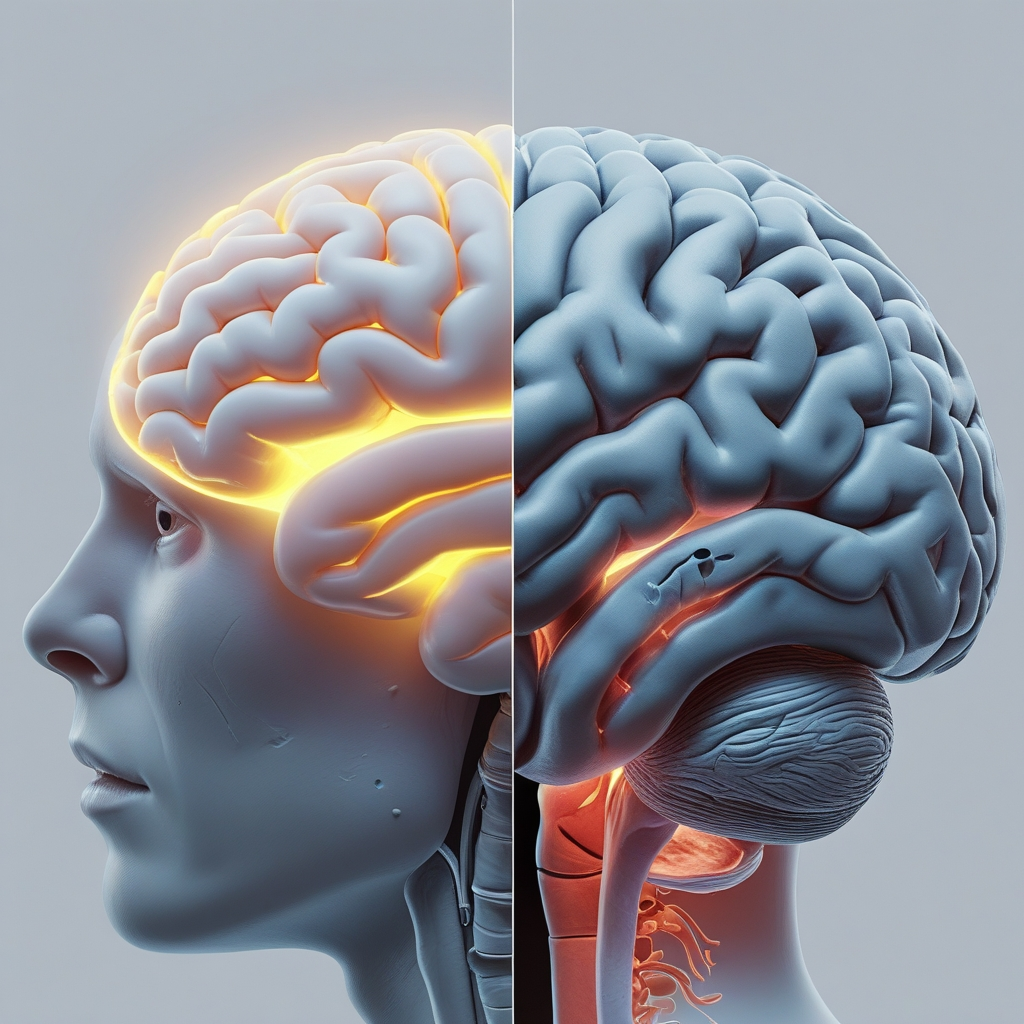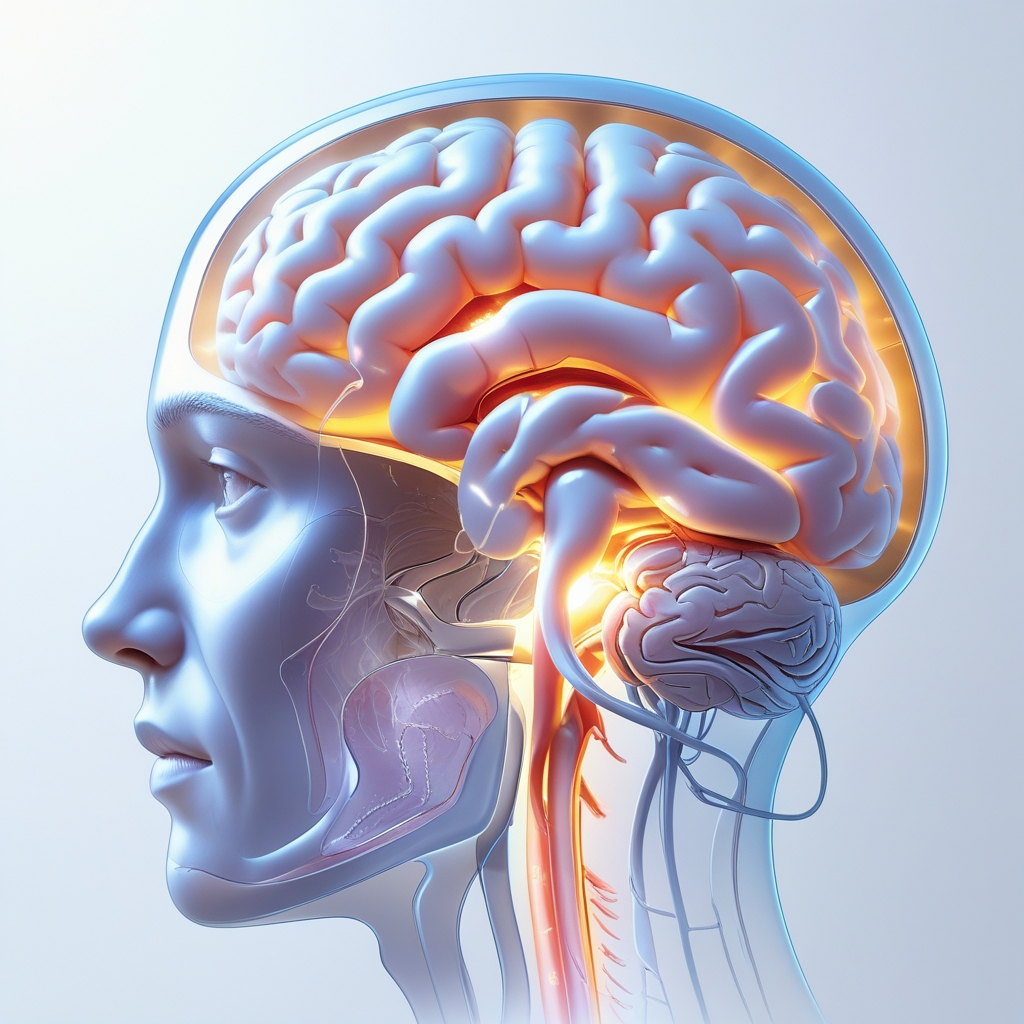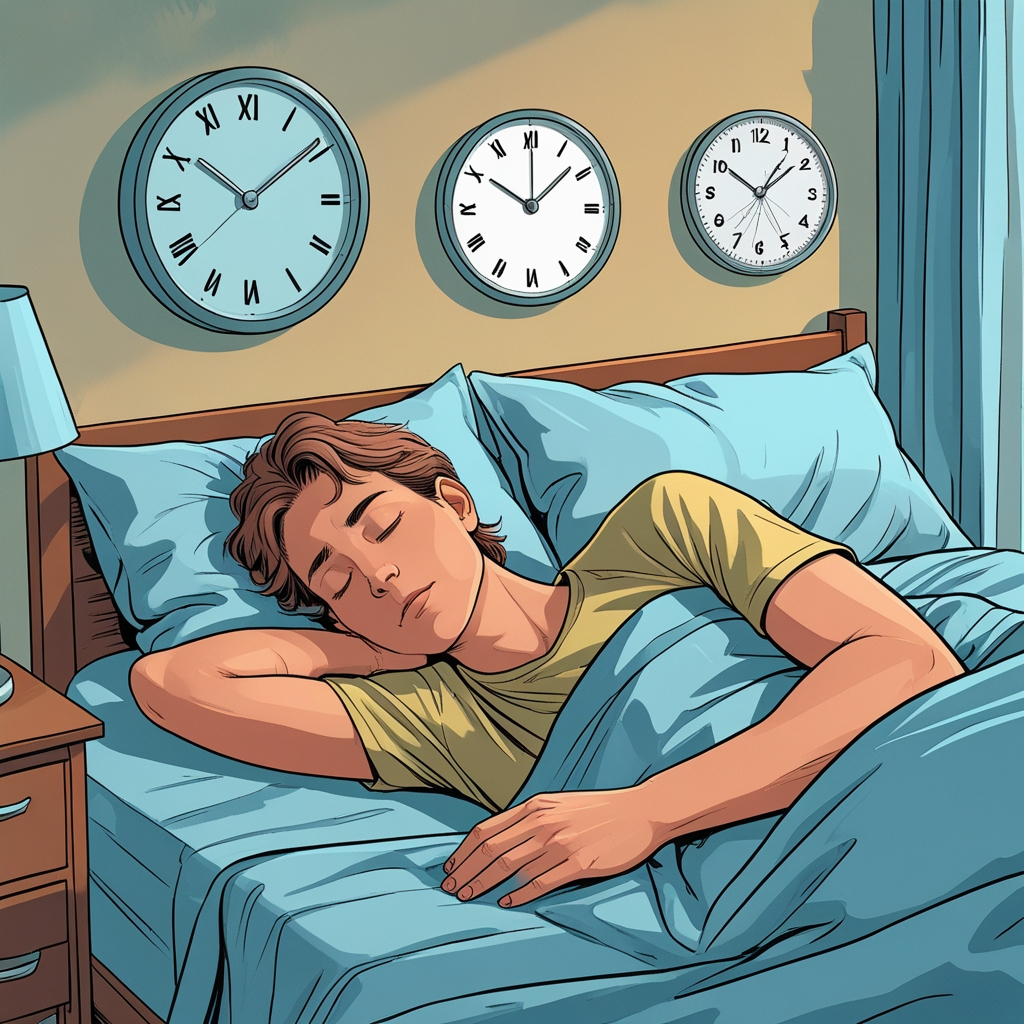
Overview
Insomnia manifests itself in various ways. There are those who find it very difficult to fall asleep and some whose sleep is interrupted whether it is too late in the night or too early in the morning. Since insomnia does not have one pattern, it is categorized into various types by the mental health professionals. Knowing the categories of insomnia makes people aware of the symptoms and therefore select the most valuable treatment.
This paper discusses the key forms of insomnia. You will know the way each of them develops, the effects on mental and physical health, and how doctors diagnose and treat them. Furthermore, this guide demystifies the issue of chronic, acute, and comorbid insomnia.
What Is Insomnia?
Insomnia refers to a sleeping disorder, which is characterized by the inability to fall asleep, remain asleep, or have a restful sleep. Insomnia constitutes people waking up exhausted, irritable, and drained. Consequently, the day-to-day operations are impaired.
The manifestation of insomnia does not necessarily appear. Thus, specialists categorize it by time, reason and sleeping pattern. This category gives the possibility of specific treatment rather than generic sleep direction.
The Importance of Learning to Know the Type of Insomnia.
The various forms of insomnia need varied approaches of treatment. Indicatively, insomnia caused by stress in the short run can be solved through lifestyle modifications. Nonetheless, persistent insomnia usually requires systematic psychological treatment.
In addition, incorrect diagnosis of the type of insomnia may slow down the recovery. Thus, knowledge in classification is important in proper management.
Basic Insomnia Classification.
Insomnia is generally categorized by the clinicians into the following:

- Acute insomnia
- Chronic insomnia
- Comorbid insomnia
Acute Insomnia
Acute insomnia, also known as short-term insomnia, is a short-term problem. This form is normally abrupt and fades away when the cause that caused it goes away.
Causes of Acute Insomnia
- Stressful life events
- Work pressure or deadlines
- Travel or jet lag
- Temporary illness
- Emotional distress
Acute insomnia is pain-inducing but can hardly be permanent in case of early management.
Key Features
- Lasts days to weeks
- Attached to recognisable stressors.
- Responds better to stress reduction.
Chronic Insomnia
Chronic insomnia is lasting and continues at least three months and is at least three days a week. This form has a great influence on mental health, productivity and emotional stability.
Causes of Chronic Insomnia
- Anxiety disorders
- Depression
- Poor sleep habits
- Excessive nervous system activity.
- Long-term stress
With time, the brain gets used to thinking of bedtime as a cause of frustration boosting insomnia.
Key Features
- Prolonged sleeping disorder.
- Daytime impairment
- Needs to be treated structurally.
Acute vs Chronic Insomnia Comparison
| Feature | Acute Insomnia | Chronic Insomnia |
| Duration | Days to weeks | 3 months or more |
| Cause | Temporary stress | Ongoing psychological or behavioral |
| Recovery | Often spontaneous | Requires treatment |
| Mental impact | Mild to moderate | Significant |
This comparison highlights why early intervention matters.
Comorbid Insomnia
Comorbid insomnia is observed together with another medical or psychiatric disorder. Instead of being secondary, insomnia complicates with the primary condition and aggravates symptoms.
Frequent Co-occurring Disorders with Comorbid Insomnia.
- Anxiety disorders
- Depression
- PTSD
- Chronic pain
- Neurological disorders
Anxiety makes one aroused at night, and insomnia makes one anxious in the daytime. As such, both conditions should be treated.
Sleep-Onset Insomnia
Sleep-onset insomnia refers to the problem of falling asleep during bedtime. Individuals of this kind tend to spend so much time lying awake, alert in the mind and physically alert.

Common Triggers
- Racing thoughts
- Anxiety and overthinking
- Fear of not sleeping
- Excessive screen use
This kind is typical of people, who have anxiety disorders and perfectionism.
Sleep-Maintenance Insomnia
Sleep-maintenance insomnia is a condition which happens when an individual falls asleep but wakes up many times throughout the night. These awakenings are usually prolonged to the point of frustration and anxiety.
Common Causes
- Stress
- Depression
- Alcohol use
- Nocturnal anxiety
Individuals complain of light and incomplete sleep and frequent awakenings during the night.
Awakening Insomnia in the Morning.
Early-morning awakening insomnia is characterized by an early-morning awakening followed by the inability to fall asleep. The type is widely found in mood disorders.
Associated Factors
- Depression
- Disruption of the circadian rhythm.
- Hormonal changes
- Individuals tend to get up anxious or depressed, which strengthens sleep disturbance.
Insomnia Based on Sleep Pattern
| Type | Main Problem | Common Association |
| Sleep-onset | Trouble falling asleep | Anxiety |
| Sleep-maintenance | Frequent awakenings | Stress, depression |
| Early awakening | Waking too early | Mood disorders |
This classification helps clinicians tailor treatment strategies.
Psychophysiological Insomnia
Psychophysiological insomnia occurs when individuals are too concerned with sleep itself. The fear of sleeping causes physical excitement leading to lack of rest.
Characteristics
- Heightened bedtime anxiety
- Conditioned arousal
- Fear of sleeplessness
This kind of pattern is one of the most widespread forms of chronic insomnia.
Behavioral Insomnia
Unhealthy habits that interfere with the natural rhythms of sleep cause behavioral insomnia. Much is due to poor sleep hygiene.

Common Behaviors
- Irregular sleep schedules
- Excessive napping
- Using bed for work or screens
- Late caffeine intake
Behavior change can frequently result in a great improvement.
Idiopathic Insomnia
Idiopathic insomnia starts at childhood and continues into adulthood without any apparent cause. It is uncommon but very tenacious type.
Key Features
- Lifelong sleep difficulty
- No identifiable trigger
- Opposition to easy solutions.
The management is normally directed towards long-term coping mechanisms, as opposed to total resolution.
Insomnia in Association with Mental Health Disorders.
Insomnia patterns are closely affected by mental conditions. Fear and depression change the sleep structure and the state of arousal.
- Anxiety-Related Insomnia
- Difficulty falling asleep
- Nighttime panic
- Racing thoughts
- Depression-Related Insomnia
- Early morning awakening
- Non-restorative sleep
- Daytime fatigue

The quality of sleep is usually enhanced by treating the underlying disorder.
Insomnia and Circadian Rhythm Disorders.
The circadian rhythm disorders interfere with body clock. Though quite different to insomnia, they tend to coincide.
Examples include:
- Delayed sleep phase disorder.
- Shift work sleep disorder
Insomnia symptoms are observed in people whose sleeping time is incompatible with the biological rhythms.
Diagnosis of Doctors in Insomnia Types.
Clinicians would diagnose insomnia by:
- Sleep history
- Symptom duration analysis
- Sleep diaries
- Psychological assessment
Physicians seldom use sleep research unless they have reason to believe that there is another illness.
Treatment Approaches Based on Insomnia Type
Treatment varies depending on the type of insomnia.
| Insomnia Type | Primary Treatment |
| Acute insomnia | Stress management |
| Chronic insomnia | CBT-I |
| Comorbid insomnia | Dual-condition treatment |
| Behavioral insomnia | Sleep hygiene correction |
| Anxiety-related insomnia | Anxiety therapy |
This targeted approach improves long-term outcomes.
Cognitive Behavioral Therapy for Insomnia (CBT-I)
CBT-I remains the most effective treatment for most insomnia types. It addresses thoughts, behaviors, and emotional responses to sleep.
CBT-I helps by:
- Reducing sleep-related anxiety
- Rebuilding sleep confidence
- Normalizing sleep patterns
Long-Term Outlook for Insomnia
Most types of insomnia respond well to treatment when addressed early. Chronic patterns take longer but remain manageable. Importantly, insomnia does not mean permanent sleep loss.
Consistency and patience drive recovery.
FAQs
1. What is the most common type of insomnia?
Chronic psychophysiological insomnia remains the most common type.
2. Can a person have more than one type of insomnia?
Yes. Many people experience overlapping insomnia types.
3. Is anxiety-related insomnia permanent?
No. With proper treatment, anxiety-related insomnia improves significantly.
4. Does chronic insomnia ever go away?
Yes. Structured therapy like CBT-I often leads to long-term improvement.
5. Should insomnia always be treated with medication?
No. Behavioral and psychological therapies work better long-term.