Introduction
Complex Post-Traumatic Stress Disorder (C-PTSD) is a condition that develops when a person experiences trauma repeatedly or over an extended period of time. For instance, it may result from being abused, neglected, held in captivity, or tortured. In contrast, common PTSD usually occurs after a single traumatic incident. However, C-PTSD develops through long-term exposure to stressful and traumatic events, which ultimately and permanently affect a person’s sense of self and emotional control.
The question many would have is; what are the 17 symptoms of complex PTSD, and how they relate to the symptoms of PTSD? The knowledge of these signs may assist in diagnosing the condition at an early stage therefore resulting in successful treatment and recovery.
We are going to investigate the definition of Complex PTSD, its 17 symptoms core, and the ways in which these symptoms can affect mental, emotional, and physical health.
Understanding Complex PTSD
It is important to learn the difference between C-PTSD and the general PTSD first before getting into what are the 17 symptoms of complex PTSD.
PTSD usually develops after a single traumatic experience, such as an accident or a natural disaster. However, complex PTSD occurs when traumatic experiences happen repeatedly over time, especially during periods of vulnerability, such as childhood. Therefore, the prolonged and repeated nature of these experiences makes complex PTSD more severe and deeply rooted than typical PTSD.
Typical Sources of Complex PTSD Include:
- Ongoing domestic violence
- Childhood abuse or neglect
- Slaveship, prison, or captivity.
- Emotional/psychological manipulation in the long term.
- Repeated victimization or harassment.
The experiences bring experiences to an individual in shaping how he or she perceives himself or herself, others and the world. The outcome is entrenched traumas pattern extending beyond the normal PTSD symptoms.
What Are the 17 Symptoms of Complex PTSD?
The 17 symptoms of Complex PTSD can be divided into six major categories: emotional regulation, consciousness, self-perception, distorted view of perpetrators, relationships with others, and meaning systems.
Here’s a detailed table breaking them down clearly:
| Category | Symptoms | Description |
| 1. Emotional Regulation | 1. Intense sadness or hopelessness | Persistent feelings of despair that overshadow daily life. |
| 2. Explosive anger or irritability | Sudden emotional outbursts or difficulty controlling anger. | |
| 3. Chronic guilt or shame | Deep sense of worthlessness and self-blame. | |
| 2. Consciousness | 4. Flashbacks or intrusive memories | Reliving traumatic experiences as if they are happening again. |
| 5. Dissociation | Feeling detached from body or surroundings during stress. | |
| 6. Emotional numbness | Inability to feel joy, love, or empathy consistently. | |
| 3. Self-Perception | 7. Low self-esteem | Seeing oneself as damaged or inferior. |
| 8. Self-loathing | Harsh internal criticism and self-rejection. | |
| 9. Suicidal thoughts or self-destructive behavior | Desire to escape pain through self-harm or risky acts. | |
| 4. Distorted View of Perpetrator | 10. Preoccupation with the abuser | Obsessing over the relationship with the abuser. |
| 11. Assigning total power to the perpetrator | Believing the abuser controls one’s destiny or emotions. | |
| 12. Desire for revenge or reconciliation | Conflicted emotions toward the abuser. | |
| 5. Relationship Difficulties | 13. Difficulty trusting others | Fear of betrayal or abandonment. |
| 14. Social withdrawal | Isolation due to fear or lack of connection. | |
| 15. Repeatedly entering abusive relationships | Reenacting trauma patterns unconsciously. | |
| 6. Meaning Systems | 16. Loss of faith or purpose | Losing belief in goodness, spirituality, or life meaning. |
| 17. Hopeless worldview | Expecting ongoing suffering or failure. |
These 17 symptoms form the foundation of Complex PTSD’s diagnostic profile. Recognizing them is the first step toward healing.
Emotional Dysregulation and Its Impact
Emotional dysregulation is one of the most traumatic of 17 symptoms of complex PTSD. The individuals can develop strong emotions which may feel out of control, then come guilt or emotional burnout.
Examples Include:
- Crying over trivial disputes.
- Several episodes of intense anger that have no actual cause.
- Feeling numb or empty following emotional resolutions.

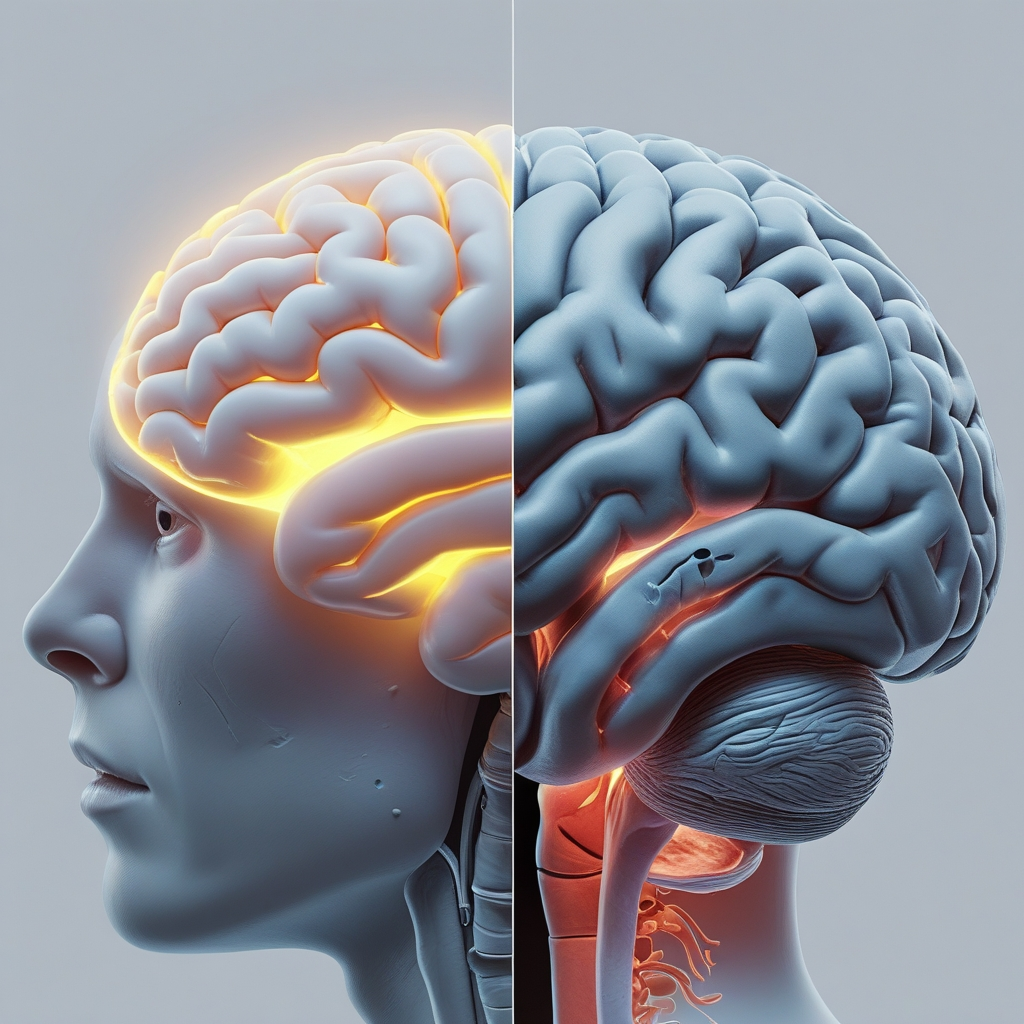
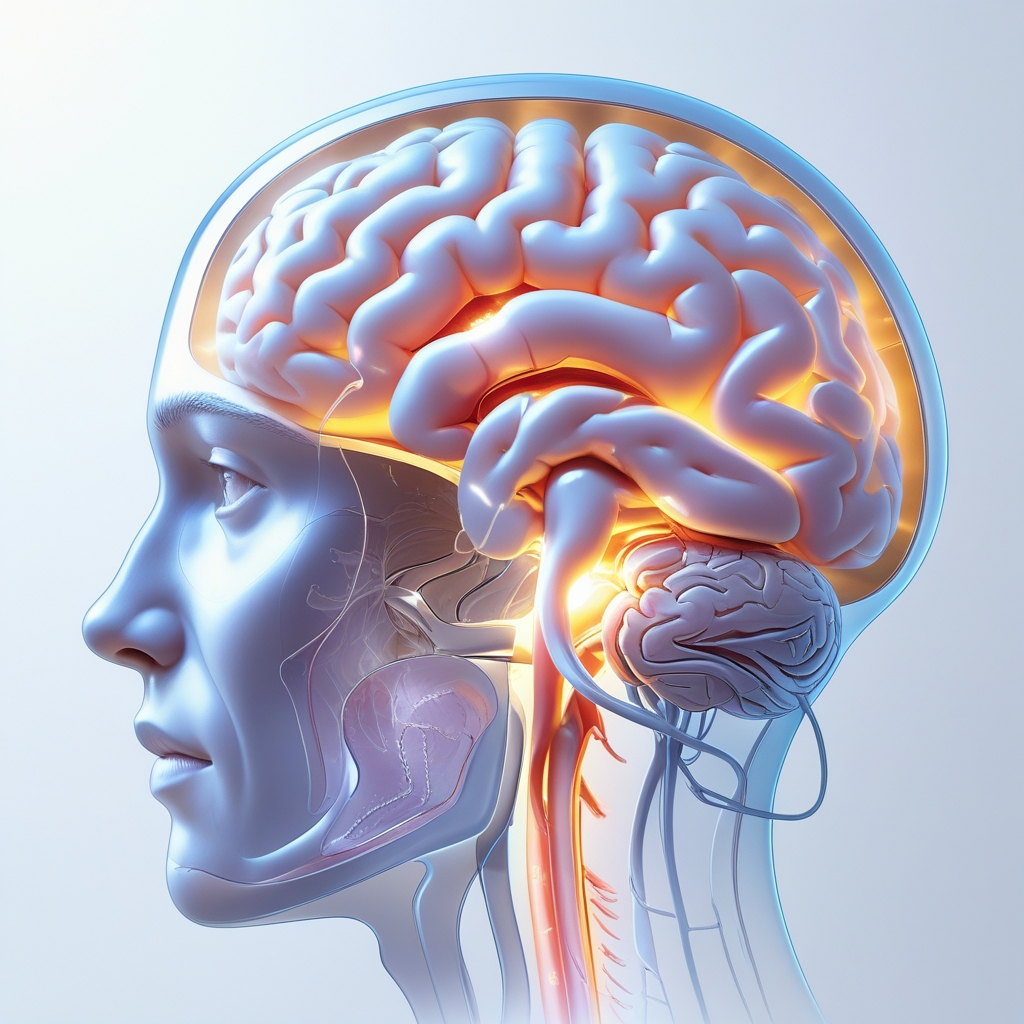
Such trends are as a result of the fact that long term trauma interferes with the mechanism of the brain to deal with stress hormones.
Symptoms Cognitive and Memory-Related.
One more essential characteristic of the 17 symptoms of complex PTSD is impaired memory and concentration. People often experience:

- Discontinuous memories of the trauma.
- During disturbing situations, blackouts.
- Problems with concentration of day-to-day activities.
This is because chronic trauma changes the stress response of hippocampus and amygdala of the brain; which are areas that handle memory and emotion.
The Relationships between Self-Perception and Complex PTSD.
C-PTSD changes the manner in which an individual perceives him or herself. The thought patterns are dominated by self-blame, guilt and worthlessness.
Though survivors can logically realize that they were not guilty, emotional tattoos can tell them they are. These inner storytelling contribute to depression, anxiety and tendencies to self destruction.
Thus, a loss of self-worth is one of the most painful elements of the 17 symptoms of complex PTSD, a trauma that should be treated and healed through therapy and compassion.
Relationship Challenges
Trauma patterns are frequently reflected in relationships as experienced by a C-PTSD victim. The survivors might be afraid of closeness but want to be connected, trust readily, or not at all, or find themselves in unhealthy relationships accidentally.

Common patterns include:
- Eschews proximity because of the risk of being injured.
- Being the cause of other people to feel.
- Difficult in keeping boundaries.
- The most important part of recovery is to realize that such behaviors are the symptoms, not the flaws.
- Spiritual and Existential Effects.
The other disregarded population among the 17 symptoms of the complex PTSD concerns the meaning systems and after years of being abused, people lose faith in religion, justice, or humanity. The existence is meaningless and hope is lost.
The recovery process can be marked often by re-invention of personal meaning in the form of spirituality, creativity or service and not entirely through previous belief systems.
Physical PTSD Effects of Complex PTSD
C-PTSD does not just make an impact on the mind but It also has a profound effect on the body.
The usual Physical Symptoms would be:
- Chronic fatigue
- Digestive problems
- Headaches or body pain
- Sleep disturbances
Chronic stress also maintains the body in the fight-or-flight response due to which is exhausting to the body and immunity. This is why, in the treatment of the 17 symptoms of the complex PTSD and somatic (body-based) approaches are combined with the talk therapy by many therapists.
Diagnosis and Medical Recognition.
Though it is not a diagnosis on its own in the DSM-5, Complex PTSD appears in the World Health Organization, in its International Classification of Diseases (ICD-11).
This acknowledgment guarantees that the 17 symptoms of complex PTSD are accepted at the international level, which will guarantee the improvement of clinical therapy and insurance.
Therapeutic and curative Strategies.
Treating C-PTSD takes time and multi-layered approaches that could take care of the mind, body, and spirit.
1. Psychotherapy
Trauma-Focused CBT: Assists in reinterpreting negative beliefs and declining guilt.
EMDR (Eye Movement Desensitization and Reprocessing): Helps to process traumatic memory safely.
Internal Family Systems (IFS): Promotes self-mercy and inner peace.
2. Medication
Antidepressants and anti-anxiety drugs could stabilize mood and decrease flashbacks.
3. Somatic and Mindfulness Therapy.
Breathwork, yoga, and groundwork techniques are useful in reconnecting the survivors with their bodies.
Through regular treatment, most individuals can greatly alleviate the severity of the 17 symptoms of complex PTSD and recover their life back.
Will a Complex PTSD Victim Recover?
Yes – it is quite possible to recover. Healing does not entail forgetting the trauma; this is because it involves changing the manner in which it impacts life.
Recovery involves:
- Building safety and trust
- Cognitively degrading trauma.
- Restoring body and interpersonal connections.
- Recapturing a sense of purpose.
The path is not that easy but with the appropriate help, survivors will be able to transition to thriving.
Key Takeaways Table
| Aspect | Details |
| Condition | Complex Post-Traumatic Stress Disorder (C-PTSD) |
| Main Question | What are the 17 symptoms of complex PTSD |
| Categories | Emotional regulation, consciousness, self-perception, perpetrator view, relationships, meaning systems |
| Common Symptoms | Flashbacks, guilt, shame, dissociation, hopelessness |
| Treatment | Therapy, medication, mindfulness, body-based approaches |
| Prognosis | Manageable with consistent support and therapy |
FAQs
1. What are the 17 symptoms of complex PTSD?
They include emotional dysregulation, flashbacks, guilt, dissociation, self-blame, relationship difficulties, and loss of meaning or purpose.
2. How is complex PTSD different from PTSD?
C-PTSD arises from long-term trauma, while PTSD usually results from a single event.
3. Can complex PTSD be cured?
While full recovery varies, therapy and self-care can dramatically reduce symptoms and restore quality of life.
4. Is complex PTSD a disability?
Yes. When symptoms severely impair daily life, it qualifies as a psychological disability under several legal systems.
5. What helps the most in healing complex PTSD?
Consistent trauma-focused therapy, mindfulness, supportive relationships, and physical wellness routines accelerate healing.